As the global demand for energy efficiency intensifies, industries are increasingly turning to advanced technologies to optimize their operations. Among these technologies, motor soft starters have emerged as pivotal devices in managing energy consumption and reducing wear on motor systems. According to the International Electrotechnical Commission (IEC), the application of soft starters can lead to energy savings of up to 30% in motor operations, underscoring their significance in energy management strategies across various sectors.
In 2025, selecting the right motor soft starter will be crucial for businesses looking to enhance efficiency and minimize operational costs. With an ever-growing emphasis on sustainability, the integration of motor soft starters not only helps in reducing energy requirements during startup but also contributes to prolonging the lifespan of electric motors and connected equipment. Reports from leading energy consultancy firms suggest that implementing soft starters can diminish mechanical stress and provide smoother operational transitions, ultimately improving the reliability of motor-driven applications.
This article will explore the top five motor soft starter options available in 2025, highlighting their unique features and benefits to assist organizations in making informed decisions towards efficient energy management. With the right choice of motor soft starter, industries can align with global sustainability goals while achieving significant cost savings and operational enhancements.
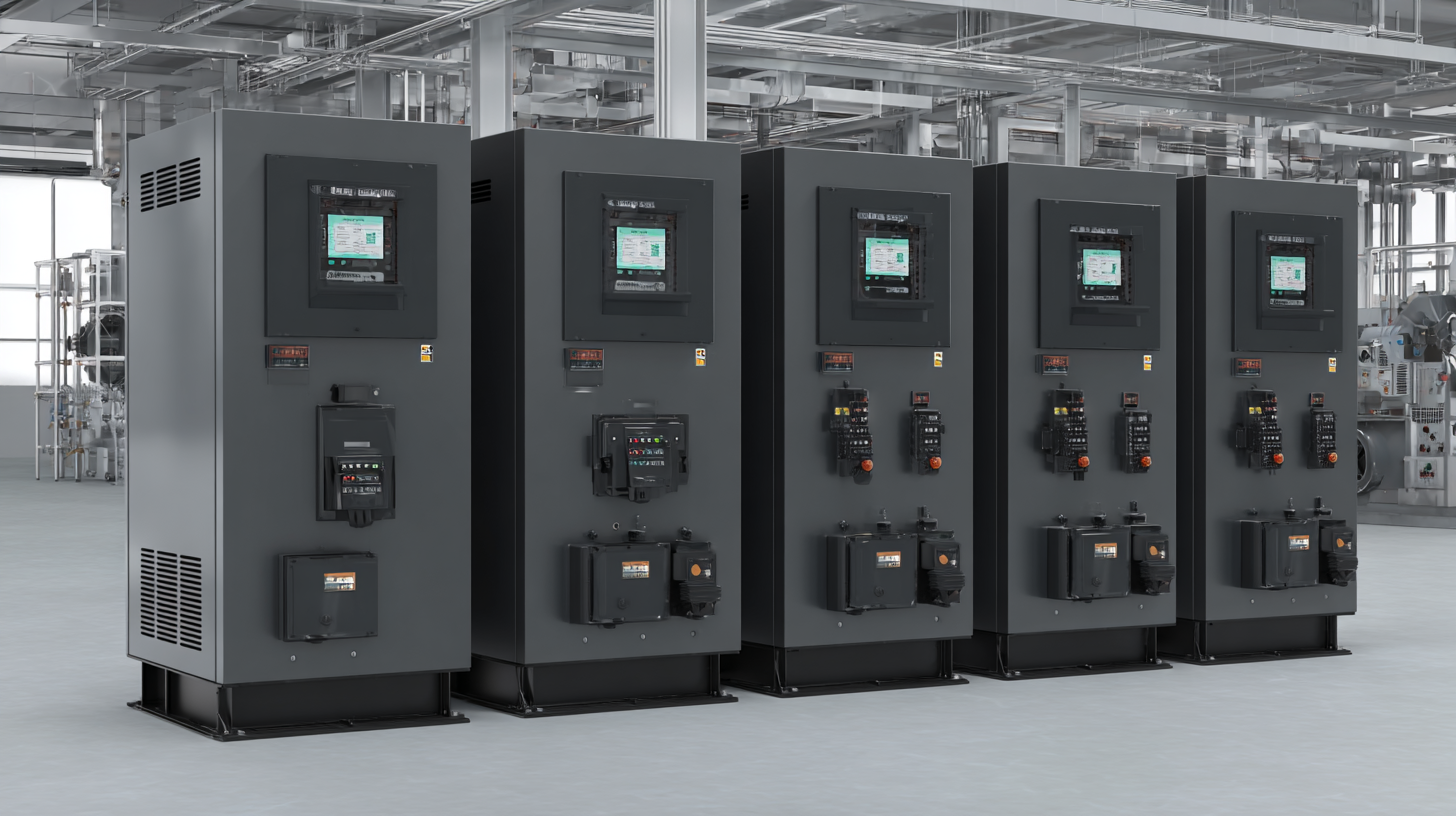
In 2025, innovations in motor soft starter technology are set to enhance energy management significantly across various industries. A key development is the introduction of advanced models featuring smart diagnostics, integrated communication protocols, and improved energy efficiency. These enhancements enable better control and monitoring of motor operations, reducing wear and tear while optimizing energy usage.
Among the leading options available, the latest soft starters are designed with user-friendly interfaces and extensive customization options, allowing for seamless integration into existing systems. These innovations not only facilitate easier maintenance and operation but also drive sustainability efforts by minimizing energy consumption during motor start-up phases. As industries increasingly prioritize efficiency and performance, these cutting-edge soft starter solutions are poised to become essential tools in energy management strategies for the future.
The adoption of motor soft starters has become increasingly important in modern industrial applications, as organizations prioritize energy efficiency alongside operational performance. Soft starters serve to mitigate the inrush current typically associated with conventional motor startups, which can cause voltage dips and lead to premature wear on electrical components. By implementing a soft starter, facilities can achieve smoother acceleration and deceleration of motors, inherently improving system stability and reducing maintenance costs.
Analyzing energy efficiency metrics reveals that soft starters contribute significantly to reduced energy consumption during motor operation. They enable motors to start gradually, minimizing energy spikes and operational stress. This gradual increase in speed not only enhances the longevity of mechanical components but also optimizes overall system performance. As industries seek to align with sustainability goals, the capability of soft starters to lower energy demand and enhance reliability will continue to drive their integration into energy management strategies.
| Option | Rated Power (kW) | Starting Torque (%) | Efficiency (%) | Control Mode | Price ($) |
|---|---|---|---|---|---|
| Option A | 30 | 150 | 95 | Voltage Control | 500 |
| Option B | 50 | 200 | 97 | Current Control | 750 |
| Option C | 75 | 220 | 93 | Soft Start/Stop | 900 |
| Option D | 100 | 210 | 96 | Torque Control | 1100 |
| Option E | 150 | 230 | 92 | Direct Start | 1500 |
As the global motor starter market continues to expand, a comparative analysis of the top motor soft starters reveals significant insights into user preferences and market trends. Based on user ratings, these five products are recognized for their contributions to energy efficiency and operational reliability. The projected market growth, expected to surpass USD 12.8 billion by 2034 with a compound annual growth rate (CAGR) of 5.8%, indicates a robust demand for innovative solutions that enhance energy management in various sectors.
The increasing focus on energy efficiency and automation is driving the adoption of motor soft starters, particularly as industries seek to reduce operational costs and environmental impact. With user ratings reflecting performance, durability, and energy savings, these soft starters are positioned as essential tools in modern equipment management. As manufacturers innovate and adapt to market demands, the leading products are likely to set benchmarks for quality and efficiency, further solidifying their importance in the evolving landscape of advanced technologies.
In today's rapidly evolving industrial landscape, the importance of efficient energy management cannot be overstated. Advanced motor soft starters represent a critical innovation in this domain, promising significant long-term savings for businesses willing to invest. They allow for smoother motor start-up, which not only reduces energy consumption but also minimizes wear and tear on equipment. This results in lower maintenance costs and extended equipment lifespan, offering a compelling cost-benefit ratio for organizations aiming to enhance operational efficiency.
Conducting a thorough cost-benefit analysis of these advanced systems illustrates their value proposition. By evaluating both the direct financial impacts—such as energy savings and reduced downtime—and the intangible benefits, companies can make informed decisions that align with their strategic goals. As industries increasingly prioritize sustainable practices, the shift towards advanced soft starter systems aligns perfectly with contemporary economic trends focused on reducing operational costs while maximizing productivity. In doing so, businesses position themselves for future growth in a competitive market.
As industries increasingly focus on sustainability and reducing energy costs, the trend towards innovative energy management solutions for motor control becomes evident. The anticipated growth in the global current sensor market, projected to reach $6.67 billion by 2032, highlights the significance of precise energy monitoring systems. These systems play a crucial role in enhancing motor efficiency and minimizing waste, addressing the urgent demand for greener operational practices.
To implement effective energy management, companies should invest in motor soft starters that offer advanced features such as overload protection and gradual ramp-up capabilities. This not only extends the lifespan of motors but also reduces peak energy consumption during startup phases.
Tips: Consider integrating current sensors into your existing motor control systems to enhance data accuracy. Moreover, stay updated with industry trends and best practices to adapt quickly to market changes and seize opportunities as they arise. Collaborating with technology providers can also provide insights into the latest innovations in motor control, ensuring your operations stay competitive and energy-efficient.