2026 Top Types of Industrial Communication Modules
The 2026 industrial landscape is becoming more connected, but not automatically more reliable. An Industrial Communication Module links PLCs, sensors, drives, robots, and supervisory systems across demanding factory environments. Its role may appear simple. The engineering choices are not.
This guide examines the top types of Industrial Communication Module expected to shape 2026 projects. It covers Ethernet/IP, PROFINET, EtherCAT, Modbus TCP, CAN bus, RS-485, and industrial wireless solutions. Each option has different strengths. EtherCAT supports tightly synchronized motion. PROFINET fits many Siemens-centered automation systems. Modbus remains practical for meters, gateways, and legacy equipment. Wireless modules can reduce cabling, but interference and battery limits deserve serious attention.
Thomas J. Burke, a recognized industrial networking expert and former ODVA president, has emphasized, “Interoperability is the foundation of industrial communication.” That principle remains useful when comparing modules, protocols, and vendor ecosystems. A compact module inside a control cabinet may face vibration, electrical noise, heat, and constant data exchange. Specifications alone cannot reveal its real performance.
Field experience also exposes uncomfortable details. A module may meet its data rate yet struggle during network congestion. A wireless link may look efficient until metal structures weaken the signal. Some comparisons oversimplify these risks. This guide does not pretend that one communication type fits every factory. Instead, it evaluates practical factors, including latency, diagnostics, integration effort, cybersecurity, maintenance access, and long-term availability. The right Industrial Communication Module should support stable production today and sensible upgrades tomorrow.
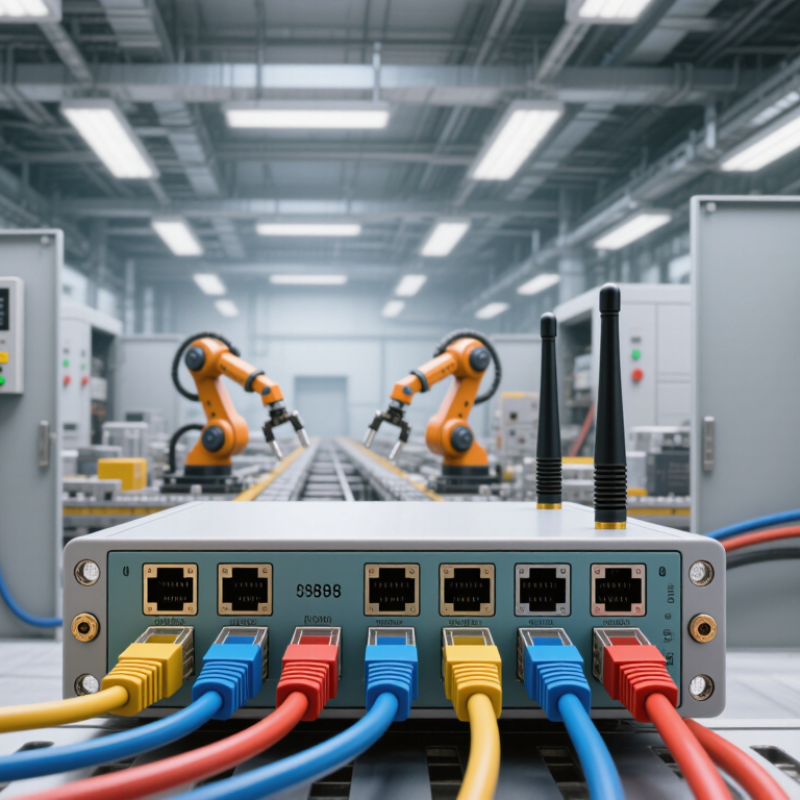
What Are Industrial Communication Modules?
2026 Top Types of Industrial Communication Modules
What Are Industrial Communication Modules?
Industrial communication modules are hardware interfaces that help machines exchange data. They connect controllers, sensors, drives, robots, and monitoring systems across a factory network. A module translates communication signals into a format each device can understand. This process supports commands, status updates, alarms, and production measurements. Small errors matter.
In 2026, common module types include Ethernet, serial, fieldbus, wireless, and gateway modules. Ethernet modules support fast data exchange and easier integration with modern control networks. Serial modules remain useful for older equipment and simple point-to-point connections. Fieldbus modules provide structured communication in demanding automation environments. Wireless modules help connect moving equipment or remote sensors. Gateway modules convert one protocol into another, allowing mixed systems to work together.
Selecting the right module requires more than checking speed. Engineers should confirm protocol compatibility, voltage levels, connector types, network load, and environmental ratings. In a control cabinet, heat, vibration, and electrical noise can affect performance. During commissioning, clear diagnostics save valuable time. A flashing status light may reveal a wiring problem before software testing begins. No module is perfect. A high-speed option can still create trouble when older equipment cannot process its data. Careful testing, documented settings, and realistic failure checks make the installation more reliable.
2026 Top Types of Industrial Communication Modules
Industrial communication modules connect controllers, sensors, drives, and supervisory systems through standardized wired and wireless protocols. The chart compares representative nominal maximum data rates for widely used industrial communication technologies. Actual performance depends on network design, cable length, topology, device capability, and operating conditions.
Data rates shown are standardized or commonly specified nominal values: IO-Link up to 230.4 kbit/s, WirelessHART 250 kbit/s, Modbus RTU up to 115.2 kbit/s in common implementations, CANopen up to 1 Mbit/s, PROFIBUS DP up to 12 Mbit/s, and industrial Ethernet technologies typically using 100 Mbit/s links.
How Industrial Communication Modules Work
2026 Top Types of Industrial Communication Modules
Industrial communication modules move data between field devices, controllers, and supervisory systems. Their basic job is simple: receive signals, interpret frames, and deliver usable values. The difficult part is timing.
A module connects through a physical interface, such as Ethernet, serial wiring, fieldbus, or wireless radio. It then follows a communication protocol that defines addresses, message structure, error checks, and response timing. For example, a temperature sensor may send a measured value to a controller every 100 milliseconds. The module checks the packet, removes communication noise, and places the value in the controller’s memory. If the packet fails verification, the module can reject it and report a diagnostic code.
Different module types serve different plant conditions. Protocol gateway modules translate data between incompatible networks. Remote I/O modules collect signals near machines, reducing long cable runs. Network interface modules provide high-speed controller connections, while wireless modules support mobile equipment or difficult locations. Some modules include buffering, time stamping, redundancy, and watchdog functions.
A practical commissioning check should include cable shielding, grounding, address settings, and update intervals. Small details matter. A poorly configured timeout can stop a healthy machine.
We have also seen designs that focused on bandwidth but ignored response consistency. That was a mistake. Industrial systems need predictable delivery, not merely fast delivery.
Engineers should test normal traffic, damaged cables, delayed packets, and sudden power recovery before accepting the installation.
Leading Wireless and Fieldbus Communication Modules
2026 Top Types of Industrial Communication Modules
Leading Wireless and Fieldbus Communication Modules
Industrial communication modules are becoming more specialized in 2026. Wireless modules support flexible connections where cables are costly, mobile, or difficult to install. Industrial Wi-Fi suits machine areas requiring fast local data exchange. Private cellular modules provide wider coverage for large plants, ports, and remote equipment. Low-power wide-area modules can monitor meters, valves, and sensors for years. However, wireless performance depends on metal structures, interference, antenna placement, and power planning.
Fieldbus modules remain important because many factories still depend on reliable wired control networks. Modbus RTU modules are practical for meters, drives, and basic controllers. PROFIBUS modules support established process and automation systems. CAN-based modules fit vehicles, compact machines, and distributed controllers. Ethernet-based field modules deliver higher bandwidth and easier integration with modern supervisory systems. Real-time performance still matters.
A sound selection begins with the application, not the module catalog. Check protocol compatibility, electrical isolation, temperature range, diagnostic functions, and replacement availability. During commissioning, engineers should test cable length, grounding, signal strength, and recovery after a network interruption. Small details matter. A module may pass laboratory tests but behave differently beside motors and welding equipment. Engineers sometimes overestimate wireless range and underestimate maintenance effort. That mistake deserves a second review.
How to Select the Right Industrial Communication Module
2026 Top Types of Industrial Communication Modules
How to Select the Right Industrial Communication Module
Selecting an industrial communication module starts with the machine, not the product brochure. Check the controller, sensors, drives, and supervisory system already installed. Ethernet-based modules suit high-speed data exchange and plant networks. Serial modules remain useful for older equipment and short, stable links. Fieldbus modules can offer predictable timing in established control systems.
Wireless modules help where cables are expensive, moving, or difficult to install. However, metal walls, motors, and changing signal paths can weaken performance. A gateway may connect different protocols, but each conversion can add delay and troubleshooting effort. Measure required data speed, message frequency, cable distance, and acceptable downtime before choosing.
Security deserves practical attention. Select modules supporting access control, encrypted communication where appropriate, firmware maintenance, and network separation. Confirm operating temperature, vibration tolerance, electrical isolation, and enclosure requirements. In a dusty factory, a laboratory-rated module may fail quickly. Test interoperability with the actual controller and cable layout, not only on a workbench.
I once underestimated startup noise near a variable-speed drive. The link looked reliable until production began. That mistake taught me to test under real load. A clear diagnostic display, event log, and replacement procedure can matter more than a higher data rate. No checklist is perfect. Leave room for future protocol changes, spare capacity, and the technician who must repair the system at midnight.