Top 10 Benefits of Using a 3 Phase Electric Motor?
Electric motors are vital for various industrial applications. Among them, the 3 phase electric motor stands out for its efficiency and reliability. This type of motor operates using three separate alternating currents. It provides a smoother and more consistent performance compared to single-phase motors. Industries often prefer it for heavy-duty tasks.
One significant advantage of the 3 phase electric motor is its energy efficiency. It uses less energy while delivering more power, leading to reduced operational costs. Maintenance is often simpler due to its robust design. Users might notice they spend less on repairs over time. However, potential users should consider the initial installation cost, which can be higher.
Another critical point is its versatility. The 3 phase electric motor can handle various loads, making it suitable for numerous applications. Nonetheless, not all setups accommodate this motor type easily. Understanding the specific needs of your application is crucial. Ultimately, choosing a 3 phase electric motor may seem daunting, but it often proves worthwhile.
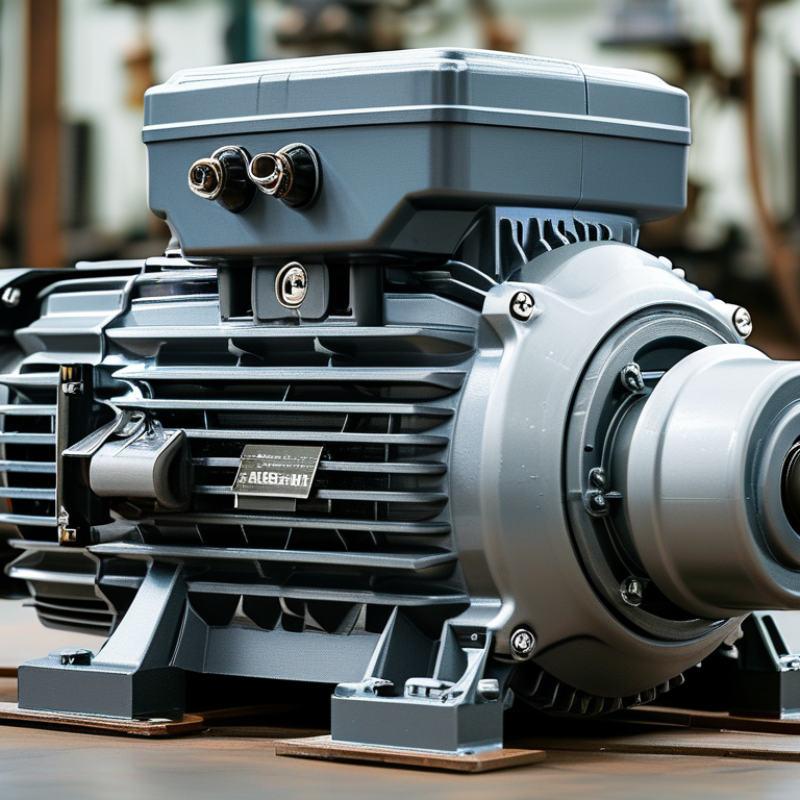
Benefits of Enhanced Efficiency with 3 Phase Electric Motors
Three-phase electric motors offer substantial benefits, especially in efficiency. Research shows these motors have a 10-15% higher efficiency than single-phase motors. This efficiency arises from a more balanced power distribution. This balance minimizes energy losses during operation, ultimately leading to reduced energy costs.
Additionally, three-phase motors produce a more constant torque. This stability in performance creates smoother operation and less mechanical stress. According to the IEEE, reduced mechanical stress can extend the motor's lifespan by up to 25%. This is crucial for industries relying on heavy machinery, where downtime can significantly impact productivity.
While three-phase motors are more efficient, they do require a more complex installation. This may lead to higher initial costs. However, over time, the savings on energy bills often offset these upfront expenses. It's essential for businesses to analyze their specific applications and energy needs before making a decision.
Increased Power Output Compared to Single Phase Motors
When comparing electric motors, the three-phase motor stands out due to its increased power output. Unlike single-phase motors, three-phase motors utilize three alternating currents. This configuration allows for smoother and more consistent power delivery. As a result, they can handle heavier loads more efficiently. This efficiency is vital in industrial applications where downtime can be costly.
The three-phase system reduces fluctuations. This means machinery operates more smoothly, which can lead to longer equipment life. Many users notice that three-phase motors produce less vibration. This aspect not only enhances performance but can also minimize wear on components. However, initial installation costs can be higher. Users should assess the long-term savings versus upfront investments.
While benefits abound, it's important to consider installation and maintenance challenges. Not every facility is equipped for three-phase power. Some might face higher repair costs due to specialized skills required for maintenance. Thus, businesses need to reflect on their unique circumstances before deciding.
Top 10 Benefits of Using a 3 Phase Electric Motor
This bar chart illustrates the increased power output of 3 phase electric motors compared to single phase motors. The data reflects the typical efficiency and output characteristics of each phase configuration based on common industrial applications.
Improved Torque Characteristics for Various Applications
Three-phase electric motors are increasingly favored for industrial applications due to their improved torque characteristics. Unlike single-phase motors, three-phase motors deliver a constant and smooth torque. This stability in torque reduces vibrations, enhancing overall equipment longevity.
With a typical efficiency rate of around 90% or higher, these motors maintain performance while consuming less energy. According to industry reports, over 60% of industrial electric motor systems are three-phase models. These motors excel in high-demand environments, such as conveyor systems and pumps. Their capability to handle varying loads makes them indispensable in modern manufacturing.
When selecting a motor, consider the full load torque. This crucial specification ensures optimal performance. Poor torque ratings can lead to equipment failure or inefficiency. Regular maintenance is equally important. Even the best motors require upkeep to maintain their performance levels. Monitoring usage patterns can reveal insights into any potential issues early on, preventing costly downtime.
Reduced Vibration and Noise Levels in Operation
Using a 3-phase electric motor brings significant advantages, particularly in reducing vibration and noise levels during operation. These motors are inherently balanced due to their design. Each phase's alternating current is staggered, which minimizes the torque ripple. This results in smoother operation compared to single-phase motors, making them ideal for applications where noise and vibration could be problematic.
Maintaining low vibration levels improves the longevity of machinery. Reduced wear on components leads to less frequent maintenance. This aspect is crucial for industries that rely on precision and consistency. The quieter operation allows for a more pleasant working environment. Employees can focus better, reducing fatigue caused by noise.
When dealing with installation, ensure proper mounting. This can reduce vibration further. It's important to check alignment during setup as misalignment increases noise. Regular maintenance is also vital. Periodically inspect bearings and support structures. Address issues before they escalate. Investing time in upkeep can prevent bigger problems later on.
Simplified Maintenance and Longevity of 3 Phase Motors
The maintenance of three-phase electric motors is crucial for ensuring their longevity and efficiency. Unlike single-phase motors, three-phase motors tend to have fewer components in their design. This simplicity results in easier access for inspections and repairs, leading to reduced downtime. According to industry reports, three-phase motors can operate continuously for more than 20 years, given proper care and maintenance. Regular checks and timely servicing can prevent costly breakdowns and increase motor lifespan significantly.
Routine maintenance tasks include cleaning, lubrication, and checking electrical connections. Identifying signs of wear or overheating early can save money in the long run. A study from the Electric Power Research Institute reveals that about 75% of motor failures occur due to overheating, often caused by inadequate cooling or excessive load.
Inspect your motor’s cooling system regularly. Ensure appropriate alignment and tension on belts. Inadequate tension can cause premature wear. Consideration of ambient conditions also plays a role. Dusty or humid environments may require more frequent maintenance checks. Overall, a proactive approach to maintenance can lead to improved performance and reduced long-term costs.