Top 10 Benefits of Using a Rotogravure Press for Printing
The use of a rotogravure press in the printing industry offers numerous advantages that can greatly enhance production efficiency and output quality. According to a report by Smithers Pira, the global market for rotogravure printing is expected to reach $24 billion by 2024, indicating a strong and growing reliance on this technology. Rotogravure presses are renowned for their ability to produce high-quality images and consistent color reproduction, making them a preferred choice for packaging, labels, and publications.
When considering the benefits of a rotogravure press, one must acknowledge the impressive speed and efficiency these machines bring to the printing process. They are capable of running at significantly higher speeds than other printing methods, yielding more printed material in less time. Furthermore, their ability to print on various substrates, from thin films to thick cartons, showcases versatility that meets diverse customer needs.
However, it's crucial to reflect on some challenging aspects of rotogravure presses. The initial setup and
cost of these machines can be higher compared to other printing technologies, which may deter some businesses. Additionally, the technology requires skilled operators to achieve optimal results. Thus, while the benefits may be compelling, a balanced consideration of the challenges is essential for firms looking to invest in rotogravure printing.
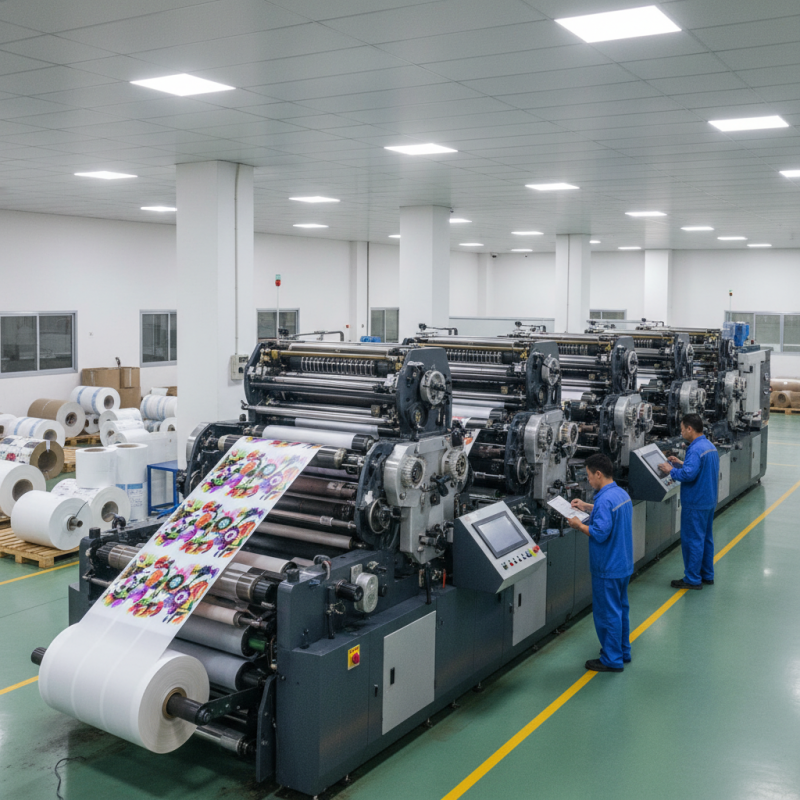
Advantages of High-Quality Print Production with Rotogravure Press
Rotogravure printing is known for its exceptional print quality. This method uses engraved cylinders to produce images and text with high precision. The result is vibrant colors and sharp details, ideal for packaging, labels, and high-end publications. Businesses benefit greatly from the clarity and consistency that rotogravure printing offers.
When considering rotogravure, prepare for the setup. The initial costs can be higher than other printing methods. Yet, these costs balance out with the superior quality and fast production speeds. It's wise to consult with professionals who understand the technical aspects of this printing process.
Here are a few tips to enhance your print production:
- Use quality imagery. High-resolution files lead to better print results.
- Evaluate your substrate. The choice of material significantly affects the final output.
- Always proof before mass printing. Small errors can become costly mistakes.
Rotogravure's capabilities are impressive but demand careful planning. Understanding its strengths and weaknesses helps in achieving better production outcomes.
Cost-Effectiveness of Long-Run Printing Using Rotogravure Technology
Rotogravure technology is a top choice for long-run printing. This method allows for high-volume production at a lower cost per unit. According to industry reports, rotating presses can produce up to 1 million impressions, making them ideal for large-scale projects. This efficiency translates to significant savings over time, especially for packaging and magazine printing.
One of the most compelling aspects of rotogravure printing is its ability to deliver consistent quality. The process uses engraved cylinders, which ensure uniform ink transfer. This leads to high-quality images with vivid colors. Industry surveys indicate that organizations save around 30% on costs compared to traditional printing methods when using rotogravure for lengthy print runs.
However, it's essential to consider initial setup costs, which can be considerably higher. The engraving process is time-consuming and may not be cost-effective for smaller projects. Companies must weigh these factors when choosing rotogravure for their printing needs. Balancing upfront costs with long-term benefits is critical for achieving cost-effectiveness in large quantities.
Flexibility in Material and Ink Choices for Diverse Applications
Flexibility in material and ink choices is a significant benefit of using a rotogravure press for printing. This method allows for a wide range of substrates, including films, paper, and aluminum foil. Users can select from various ink types to suit different production needs. For instance, water-based inks work well for food packaging, which ensures safety and compliance with regulations.
When choosing materials, consider your end application. Some substrates may offer better durability, while others might enhance print quality. Experimenting with new materials can lead to unique results. It’s essential to conduct tests to evaluate how different inks adhere to various surfaces. This can also help in identifying any unexpected challenges that may arise during production.
In addition, using rotogravure presses allows for a seamless switch between ink types. It’s vital to clean the press thoroughly between changes. This ensures the quality and integrity of each print run. Monitor how different inks interact with your selected materials. Regular evaluations can improve efficiency and reduce waste.
Enhanced Color Consistency and Visual Appeal in Printed Materials
Rotogravure printing technology has gained attention for its remarkable ability to enhance color consistency. This high-quality printing process uses engraved cylinders, allowing for precise ink transfer. According to the Research and Markets report, rotogravure printing offers a color consistency rate exceeding 90%. This level of reliability in color reproduction is crucial for brands focusing on visual appeal.
The visual appeal of printed materials significantly influences consumer decisions. Studies indicate that color and design account for 85% of a customer’s purchasing decision. This statistic underscores the importance of consistency. When brands engage with rotogravure printing, they often report increased customer satisfaction. Quality visuals can set a product apart in a crowded market.
However, achieving perfect color consistency is not without challenges. Misalignment in the cylinder could lead to color variations, which may require additional resources to correct. Moreover, the initial setup costs for rotogravure are higher compared to other printing methods. Despite these drawbacks, the long-term benefits usually outweigh the initial challenges. Brands must weigh their options carefully, considering the impact of color consistency on their overall marketing strategy.
Efficiency and Speed in High-Volume Production Runs with Rotogravure
Rotogravure printing excels in high-volume production runs. This method stands out for its speed and efficiency. With its advanced technology, rotogravure can achieve fast turnaround times. Many factories have adopted it to meet growing demands. This printing process facilitates large-scale production without sacrificing quality. Each printed image or design maintains sharpness and detail.
The machinery itself can handle continuous inks and substrates. This flexibility allows for a wide range of materials, such as plastic films and paper stock. However, setup times and regulations can sometimes be daunting. Despite these challenges, the benefits outweigh the negatives for many. The streamlined production process ultimately saves time and resources. High-quality outcomes are usually achieved, making it a preferred choice in several industries.
Optimizing rotogravure requires expertise and experience. Understanding the intricate mechanics is crucial for effective operation. Missteps can lead to waste and reworks, but experienced operators can mitigate these risks. Even with potential pitfalls, the advantages of this printing method continue to shine in high-volume scenarios.
Top 10 Benefits of Using a Rotogravure Press for Printing
| Benefit | Description | Impact on Production |
| High-Speed Printing | Rotogravure presses can achieve high speeds, significantly increasing output. | Reduces production time and increases workflow efficiency. |
| Quality Consistency | Prints with consistent quality and color accuracy across runs. | Ensures high customer satisfaction and reduces reprints. |
| Cost-Effectiveness | Reduction in printing costs for large quantities makes it economical. | Lower cost per unit for high-volume jobs. |
| Wide Substrate Compatibility | Can print on various substrates, including flexible materials. | Supports diverse product applications and market needs. |
| Increased Print Detail | Offers fine detail and high-resolution output compared to other methods. | Enhances product appearance and brand presentation. |
| Long Print Runs | Ideal for long print runs with fewer setup changes. | Maximizes efficiency and minimizes waste. |
| Fast Turnaround Time | Quick setup and changeover time for projects. | Accelerates time to market for products. |
| Eco-Friendly Options | Uses environmentally friendly inks and processes. | Appeals to eco-conscious consumers and brands. |
| Increased Production Flexibility | Easily adapts to different projects and market demands. | Supports diverse customer needs quickly. |
| Reduced Waste | Minimizes material waste through efficient printing techniques. | Enhances overall production efficiency and cost savings. |