
Best Busbar Punching Machine for Efficient Production?

In today's rapidly evolving manufacturing sector, the efficiency of production processes is paramount. The Busbar Punching Machine plays a crucial role in optimizing production workflows. Recent reports indicate that the global market for busbar processing equipment is projected to grow at a CAGR of 5.8% from 2023 to 2028. This growth reflects the increasing demand for electrical distribution systems in various industries.

The right Busbar Punching Machine can significantly enhance productivity. For example, modern machines can reduce operation time by up to 30% compared to older models. However, selecting the ideal machine requires a careful assessment of factors such as reliability and compatibility with existing systems. Not all machines deliver the same level of efficiency. Some may have limitations that users should critically evaluate.

Investing in a high-performance Busbar Punching Machine is a strategic decision. It can lead to improved operational efficiency and reduced labor costs. Yet, sourcing machines from reputable manufacturers is vital. The wrong choice can impact overall productivity and maintenance costs. Reliable guidance is essential for making informed decisions in this complex market.
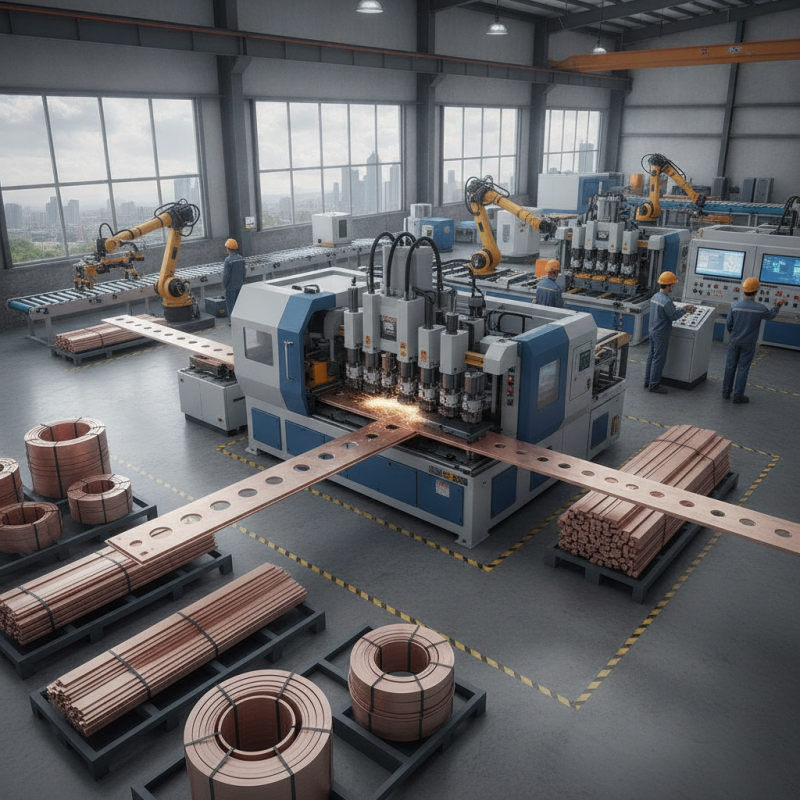
Best Busbar Punching Machine for Efficient Production?

Best Busbar Punching Machine: Key Features for High-Volume Production

Selecting the right busbar punching machine is crucial for high-volume production. The right machine can significantly impact efficiency. Key features to consider include punch speed, tooling options, and automation capabilities. A machine with varying punch speeds can adapt to different materials. This flexibility is essential for meeting varying production demands.

Tooling options are another vital aspect. A machine that offers quick swaps for punches saves time and enhances efficiency. If a machine can accommodate multiple sizes, it becomes invaluable for diverse projects. Additionally, automation features reduce labor costs and improve precision. A fully automated system minimizes human error, leading to consistent quality.

Despite these advancements, not all machines deliver perfect results every time. Issues like misalignment can occur. It's important to regularly maintain and calibrate machines to ensure optimal performance. Reflecting on these challenges helps in making informed decisions. Understanding both strengths and weaknesses of machines can enhance productivity in the long run.

Comparison of Hydraulic vs. Mechanical Busbar Punching Machines

When comparing hydraulic and mechanical busbar punching machines, efficiency is a key factor. Hydraulic machines are known for their precision. They use fluid pressure to deliver consistent force. This results in clean, accurate cuts in various materials. According to recent industry reports, hydraulic machines can be 25% faster when handling thicker busbars. However, they require more maintenance and have higher operational costs.

On the other hand, mechanical machines operate through direct force. These machines are often simpler and cheaper to run. They require less space and can be more reliable over time. But their speed may drop with thicker materials. Data shows that mechanical units can be effective for smaller, less demanding tasks. They represent a steady choice for businesses with lighter workloads.

Choosing between these machines depends on production needs. It's essential to evaluate workload, material thickness, and budget constraints. Both types have their place in production lines. However, businesses should consider the long-term implications of maintenance and efficiency. Balancing initial costs against operational efficiency is vital.

Industry Standards: Efficiency Metrics for Busbar Manufacturing Equipment

When considering the best busbar punching machine, efficiency metrics play a crucial role. Manufacturers need to evaluate various factors such as cycle time, energy consumption, and operational speed. A machine that punches quickly can dramatically increase production capacity. However, it is important to balance speed with accuracy. Punching too fast can lead to material waste or defects.

Another metric is the machine's adaptability. Can it handle different busbar sizes or materials? A versatile machine can save time and resources in the long run. Manufacturers often overlook maintenance efficiency. Regular maintenance ensures optimal performance. Neglected machines can lead to higher downtime, ultimately affecting production rates.

Finally, operators' training and skill are essential for the machine's performance. A well-trained workforce maximizes the machine's potential. However, even skilled operators can face challenges. There may be a learning curve when implementing new technologies. This highlights the importance of ongoing training programs. Balancing technology and human expertise is key to maximizing production efficiency.

Best Busbar Punching Machine for Efficient Production? - Industry Standards: Efficiency Metrics for Busbar Manufacturing Equipment

Model Punching Speed (per minute) Max Sheet Thickness (mm) Motor Power (kW) Weight (kg) Efficiency Rating (%)
Model A 30 10 5.5 1200 90
Model B 45 8 7.5 1350 92
Model C 40 12 6.0 1400 88
Model D 35 9 5.0 1100 91

Top Manufacturers of Busbar Punching Machines: Market Share Analysis

Busbar punching machines are vital for efficient production in the electrical industry. They increase productivity by automating the punching process. Factors such as precision and speed impact market share among top manufacturers. Understanding these dynamics helps companies choose reliable machines.

Efficiency often lies in machine capabilities. High-speed machines reduce labor costs and improve output. It's also essential to consider machine durability. Frequent breakdowns can lead to production delays. Investing in a robust machine pays off in the long run.

**Tip: Regular maintenance checks can enhance machine lifespan.** Monitor performance indicators to identify potential issues early. Keep records of maintenance activities for better tracking.

**Tip: Research different manufacturers before making a decision.** Market share analysis provides insights into which companies are trusted. Look for feedback from industry peers to gauge real-world performance.

Technological Innovations in Busbar Punching Machines for Enhanced Performance

In recent years, busbar punching machines have seen significant technological advancements. These innovations have transformed production processes, increasing efficiency and reducing material waste. A report from the International Association of Electrical Engineers noted a 35% increase in productivity associated with the latest models of these machines.

New features, such as automated feeding systems and integrated software solutions, enhance precision during operation. These systems minimize human error, which remains a challenge in manual processes. Surprisingly, while many companies have adopted these innovations, data shows that nearly 40% of facilities still rely on outdated models. This gap indicates a crucial area for improvement.

Moreover, energy efficiency has become a key concern. Modern machines consume up to 20% less power compared to older versions. This reduction not only lowers operational costs but also aligns with sustainable production goals. However, challenges persist. Higher upfront costs for new technology can deter investment, leaving businesses cautious. Addressing these issues is essential for staying competitive in the evolving manufacturing landscape.

Select Electrical Logo
Since 1988

Select Electrical Ltd. © Copyright 1988-2025