
7 Best Electric Crucible Melting Furnace Models for Buyers

An Electric Crucible Melting Furnace can make small-batch metal work more controlled and repeatable. Yet choosing one is not as simple as comparing advertised temperatures. Buyers also need to consider melt capacity, heating speed, power requirements, temperature control, and the materials they plan to process. A compact unit may suit occasional casting, while a larger furnace can better support frequent production. Bigger is not always better.

This guide reviews seven furnace models through practical buying criteria. Look closely at crucible dimensions, insulation, control layout, and how easily the unit can be operated and maintained. A clear digital display helps, but it cannot compensate for poor temperature stability. Check the manufacturer’s published specifications and confirm that the furnace is suitable for your intended metal and working conditions. Details matter.

Real-world needs can differ from product descriptions. A quoted maximum temperature does not tell you how quickly a full crucible will heat or how consistently the furnace performs during repeated cycles. Power access and workspace ventilation also deserve attention before purchase. These points are easy to overlook. This comparison aims to clarify the trade-offs, not declare one furnace right for everyone. Use it to narrow your options, then verify current specifications with the supplier. An informed choice should match your materials, workload, budget, and available workspace—not just the most impressive numbers.
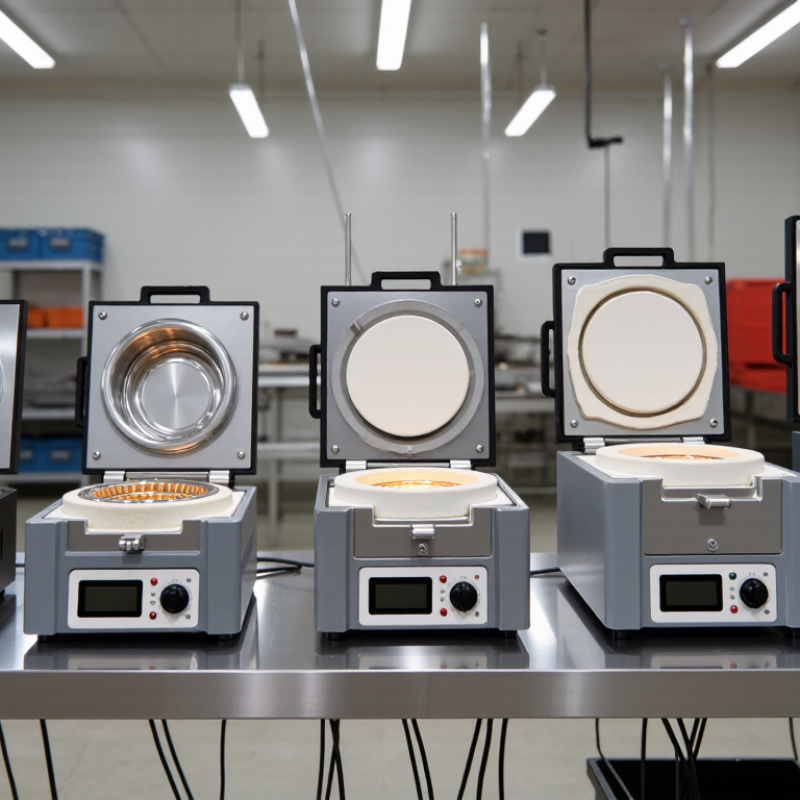
7 Best Electric Crucible Melting Furnace Models for Buyers

How Electric Crucible Melting Furnaces Work

An electric crucible furnace converts electrical energy into heat around or within a crucible. In resistance models, elements heat the chamber, and the crucible transfers that heat to the metal. In induction models, a coil creates an electromagnetic field that heats conductive material directly. The exact heating path matters: it affects melt time, temperature uniformity, and which crucible materials are suitable.

A controller reads a thermocouple and adjusts power toward the set temperature. Insulation reduces heat loss, while the lid helps limit drafts and oxidation.

The International Energy Agency’s Tracking Industry 2020 report estimates that industry uses about 37% of global energy and produces roughly 24% of energy-related CO2 emissions. That wider context makes furnace efficiency worth checking, but it does not predict one unit’s performance.

Small detail.

I would not treat a digital setpoint as proof that the whole melt is uniform; a probe near the wall may miss cooler metal at the center. Check temperature at the actual pour point, record melt time and power use, and inspect the refractory for cracks.

Real shop conditions are messy. A cold crucible, frequent lid opening, or undersized power supply can change results more than the brochure suggests.

Key Features Buyers Should Compare

When comparing electric crucible melting furnace models, start with usable capacity, not the largest number in a listing. A 5-kilogram rating may describe a full crucible, while your normal batches are much smaller. Check the recommended crucible material and dimensions, then confirm they suit your metal and handling tools. Fit matters.

Compare the rated operating temperature with the temperature your process actually needs. Allow a margin, but do not assume a higher maximum guarantees faster or steadier melting. Ask how temperature is measured, where the sensor sits, and how closely the controller maintains the set point. A low melting-time claim can be misleading if it assumes a preheated furnace or a nearly full charge. Power supply requirements, insulation, lid design, and heat-up time also affect daily use and operating costs. Look for clear instructions on replacing the crucible and cleaning spills; awkward access becomes tiring during repeated batches. Safety features deserve close attention, including stable housing, insulated handles, and protection against overheating. A digital display is useful, but not a substitute for a clear fault response. Small details count. Compare warranty terms and availability of compatible replacement parts, and ask for test conditions behind performance claims. Some specifications still leave questions unanswered. Request clarification before purchase, especially when the furnace will run for long periods.

Buyer Reference: Melting Points of Common Metals

Compare a furnace’s rated operating temperature with the melting point of your intended charge material. The values below are reference melting points, not recommended furnace setpoints.

Reference values are approximate melting points at standard pressure. All temperatures are in °C.

Seven Electric Crucible Melting Furnace Models at a Glance

Seven Electric Crucible Melting Furnace Models at a Glance

These seven configurations cover common buyer needs, though actual capacity and temperature depend on the design. A benchtop resistance model suits small test melts and limited workspace. A compact batch model handles regular, modest workloads. A medium-capacity furnace supports workshop production. A large-capacity unit can reduce the number of pours, but needs more floor space and suitable electrical service. A tilting model helps control pouring into molds. A lift-out crucible design can make changing or handling the vessel easier. An electric induction model heats metal through electromagnetic energy, while resistance models transfer heat from elements to the crucible. Small batches matter. Match the furnace to the metal, crucible material, batch weight, and required temperature—not just its advertised capacity.

Tips: Ask for the usable melt capacity, not only the furnace’s rated capacity. Check power requirements, temperature controls, insulation, and access to replacement crucibles. If possible, observe a normal pour before buying. A specification sheet cannot show every awkward step.

Allow room for safe loading, pouring, and routine cleaning. Consider how often the furnace will run and how quickly it must recover between batches. The best fit is not always the largest or fastest. A simple selection chart helps, but real workflow can expose details it misses. One overlooked pouring angle can matter.

7 Best Electric Crucible Melting Furnace Models for Buyers - Seven Electric Crucible Melting Furnace Models at a Glance

Compare seven common furnace configurations by melt capacity, heating method, typical power requirements, and intended use.

Furnace Configuration Typical Melt Capacity Heating Method Typical Electrical Input Suitable Metals Typical Application Key Buying Consideration
1. Compact Benchtop Crucible Furnace Approximately 1–3 kg of aluminum Resistance heating with an insulated chamber About 1.5–3 kW; commonly single-phase supply Aluminum and other low-melting-point nonferrous metals, subject to the crucible and furnace temperature rating Small workshops, sampling, hobby casting, and laboratory trials Check usable crucible capacity, ventilation needs, and whether the supplied power circuit can support the rated load.
2. General-Purpose Workshop Furnace Approximately 5–10 kg of aluminum Resistance heating; manual or basic digital temperature control About 3–6 kW; single- or three-phase options vary Primarily aluminum; some configurations are suitable for zinc or other lower-temperature alloys Small foundries, repair shops, and regular batch casting Look for a rated working temperature suitable for the alloy and a controller with a thermocouple appropriate to the operating range.
3. Medium-Capacity Production Furnace Approximately 20–30 kg of aluminum Resistance heating with a larger refractory-lined chamber About 12–20 kW; typically three-phase Aluminum and compatible nonferrous alloys within the furnace’s rated temperature range Production workshops with repeated melts and moderate batch sizes Compare recovery time, insulation quality, and the electrical service required for continuous production.
4. Brass-Capable High-Temperature Furnace Approximately 5–15 kg of brass, depending on crucible size High-temperature resistance heating or induction, depending on configuration Roughly 8–25 kW; strongly dependent on capacity and heating method Brass and certain copper alloys when the complete furnace and crucible system is rated for the required temperature Nonferrous foundries and job shops producing brass castings Confirm the maximum working temperature and crucible compatibility; brass melting requires more temperature headroom than aluminum.
5. Induction Crucible Furnace for Copper Alloys Approximately 5–15 kg of copper or copper alloy Induction heating with a power supply and water-cooling system Commonly about 15–35 kW, depending on capacity and melt rate Copper and suitable copper alloys; exact capability depends on the coil, crucible, and power supply Foundries needing faster heating and responsive control for copper-alloy batches Account for cooling-water requirements, electrical input, coil maintenance, and the alloy’s actual melting range.
6. Precious-Metal Laboratory Furnace Approximately 1–5 kg, depending on the metal and crucible Resistance heating or compact induction heating About 2–10 kW, depending on design Gold, silver, and compatible precious-metal alloys Jewelry production, refining work, and small-batch laboratory use Choose a crucible and pouring arrangement compatible with the metal, and verify temperature control and safe handling features.
7. Large-Capacity Holding and Melting Furnace Approximately 40–60 kg of aluminum Resistance heating in an insulated crucible chamber About 25–40 kW; usually three-phase Aluminum and compatible alloys within the specified operating range Higher-throughput casting operations and larger, repeated batches Evaluate installation space, three-phase supply, melt-and-hold energy use, and the lifting or pouring equipment needed.

Note: Capacities and electrical inputs are representative ranges for common equipment configurations, not specifications for a particular product. Actual performance varies with furnace design, crucible material, metal alloy, batch size, insulation, and supply voltage. Confirm the manufacturer’s rated working temperature and electrical requirements before purchase.

Choosing a Furnace for Your Materials and Production Needs

Choosing an electric crucible furnace starts with the material, not the advertised capacity. Check the metal’s melting range, then allow room for operating temperature and repeated heating. Aluminum, copper, and iron place different demands on furnace lining, crucible material, and heating elements. Confirm that the crucible is compatible with your alloy and intended working temperature. Small details matter. A mismatch can shorten service life or cause uneven melts.

Next, estimate the actual batch size and daily production rhythm. A furnace rated for a large charge may still struggle if you need rapid, repeated cycles. Include heating, holding, skimming, and pouring time in your estimate. Measure the real load. For frequent small batches, responsive temperature control may matter more than maximum capacity. For larger runs, check power requirements and whether your site can support them. A neat specification sheet can still miss the bottleneck: how quickly operators can handle hot crucibles safely.

Look at temperature accuracy, insulation, controls, maintenance access, and available technical support. Ask for operating data using a charge similar to yours, rather than relying only on an empty-furnace test. Specs can mislead. I would also leave a little capacity margin; production plans often change, though excess capacity can waste energy. Record your expected alloy, batch weight, cycle frequency, and workspace conditions before comparing models.

Installation, Safe Operation, and Routine Maintenance

Before choosing among electric crucible melting furnace models, plan the installation around the workspace and power supply. Set the unit on a level, noncombustible floor, leaving the clearances specified in its manual. A qualified electrician should confirm the circuit, grounding, and disconnect meet the furnace’s rated requirements. Keep the area dry. Position ventilation to carry heat and fumes away from operators, without directing drafts across the hot chamber.

During operation, wear suitable eye, face, hand, and body protection, and use tools rated for the furnace temperature. Check the crucible for cracks and confirm the chamber is clear before heating. Add only dry, approved materials; hidden moisture can cause dangerous splashing. Monitor the temperature display, avoid overloading, and keep the lid and surrounding area unobstructed. Never leave a running furnace unattended. It can feel slow to pause for checks, but rushing a melt is rarely worth the risk.

For routine maintenance, switch off and isolate power, then let the furnace cool fully before inspection. Never rush cooling. Look for damaged insulation, loose connections, worn seals, or unusual discoloration, and record changes between operating cycles. Remove debris using the method specified by the manufacturer; aggressive scraping can damage the lining. Replace worn parts with correctly rated components, and arrange qualified service when electrical faults or persistent temperature drift appear. A simple log helps reveal patterns that a quick visual check may miss.

Select Electrical Logo
Since 1988

Select Electrical Ltd. © Copyright 1988-2025