
7 Best Flanged Type Globe Valves for Global Buyers

Global buyers increasingly need valve choices that balance pressure control, maintenance access, and long service life. The global industrial valves market was valued at approximately USD 79 billion in 2023, according to Grand View Research, which projects continued growth through 2030. Its findings reflect expanding demand across oil and gas, power generation, water treatment, and chemical processing.

A Flanged Type Globe Valve remains a practical option where accurate throttling and dependable shutoff matter. Its bolted flange connection can simplify inspection, while the rising stem gives operators a visible position reference. Small details matter. Gasket quality, face-to-face dimensions, pressure class, trim material, and actuator compatibility can decide whether installation succeeds.

Valve engineer and author James B. Rishel has emphasized, “Valve selection must begin with the service conditions, not the catalog.” That warning deserves attention. Buyers sometimes compare price before checking fluid temperature, corrosiveness, cycling frequency, or pressure drop. This is an avoidable mistake. API 623 and ASME B16.34 provide important design and testing references, but standards alone do not guarantee suitable field performance. Actual project conditions still control the decision.

This guide reviews seven strong Flanged Type Globe Valve options for international buyers. It considers body materials, pressure ratings, sealing arrangements, maintenance needs, documentation, and supplier reliability. Some rankings remain debatable. A valve that performs well in steam service may be unsuitable for abrasive slurry. That limitation is easy to overlook. The best choice is therefore not simply the most expensive model, but the one matched carefully to the pipeline, medium, operating cycle, and local support requirements.
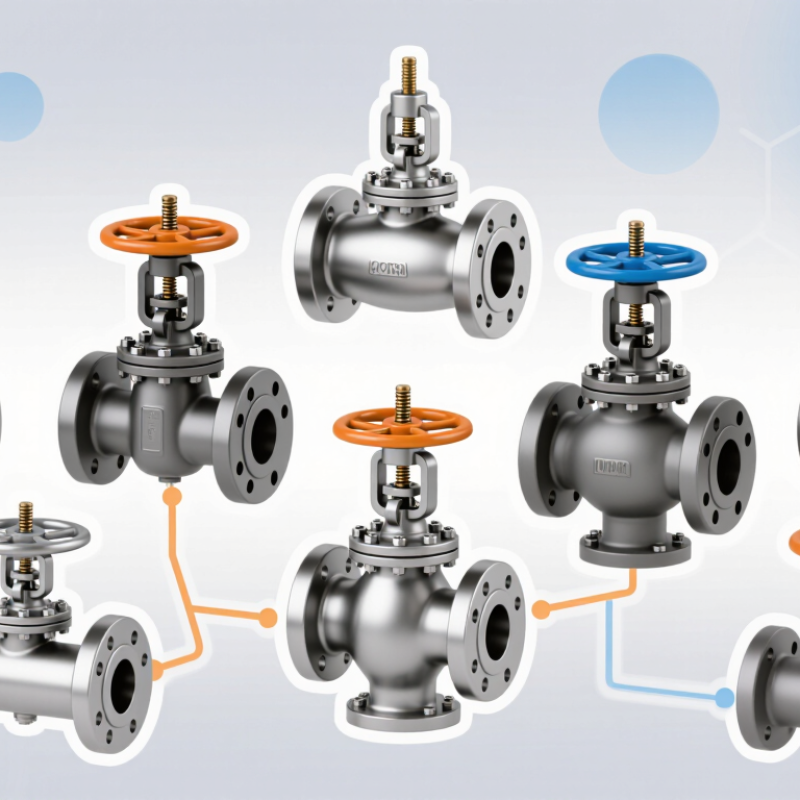
7 Best Flanged Type Globe Valves for Global Buyers

Flanged Globe Valve Basics and Global Buyer Requirements

A flanged globe valve controls fluid flow through a movable disc and seat. Its linear throttling action supports accurate adjustment in steam, water, oil, and process lines. The flanged connection also simplifies removal during maintenance. However, installation space can be greater than expected, especially with a rising stem and handwheel.

Global buyers should check pressure rating, temperature range, body material, trim material, and flange dimensions. Common requirements include ASME, EN, or other applicable standards. The valve should match the pipeline rating, not only the working pressure. A carbon steel body may suit general service, while stainless steel trim can improve resistance against corrosive media. Field experience shows that gasket selection and bolt tightening often affect leakage more than expected. Small details matter.

Tips: Confirm the media, pressure, temperature, flow direction, and operating frequency before ordering. Ask for material certificates, pressure-test records, dimensional drawings, and inspection documents. Review packing design for long storage and transport across humid regions. Do not select a valve by size alone. A smaller, cheaper option may create unstable control or excessive pressure loss. Even experienced teams can overlook actuator clearance or local maintenance habits. That deserves a second check.

Key Criteria for Comparing the Seven Best Flanged Globe Valves

7 Best Flanged Type Globe Valves for Global Buyers

Comparing the seven best flanged globe valves requires more than checking price or catalog photos. Start with pressure and temperature ratings. Confirm that the valve matches the actual fluid, operating temperature, and pipeline class. A valve rated for steam may perform poorly with corrosive chemicals. Material selection matters.

Inspect the body, bonnet, stem, disc, and seat materials. Stainless steel can resist many corrosive fluids, while carbon steel often suits general industrial service. Ask for pressure-test reports, material certificates, and dimensional drawings. These documents support dependable purchasing across different markets. Flange standards must also match the existing pipework. Small differences in drilling patterns can delay installation.

Flow control is another practical test. Compare flow coefficients, throttling stability, shutoff performance, and pressure loss. A well-designed globe valve should adjust flow without excessive vibration or noise. Review the packing arrangement and bonnet design because maintenance access can vary sharply. Manual handwheels suit local operation, while actuators help with frequent or remote adjustments.

Field experience often reveals details that brochures omit. Check stem travel, operating torque, spare-part availability, and service instructions. I have seen technically suitable valves become expensive because replacement packing was unavailable. That risk deserves attention. Inspection quality also varies between suppliers, so independent testing may be sensible for critical systems. No comparison is perfect. Real operating data should challenge assumptions before a final purchase.

Seven Leading Flanged Globe Valve Options by Design and Application

7 Best Flanged Type Globe Valves for Global Buyers

Seven Leading Flanged Globe Valve Options by Design and Application

Flanged globe valves remain practical where accurate throttling matters. Grand View Research reported that the global industrial valves market reached approximately USD 78 billion in 2023. Its outlook also indicates steady growth through 2030. Seven designs deserve attention. Standard cast-steel valves suit steam, water, and general process lines. Forged-steel versions offer stronger bodies for higher pressure service. Bellows-sealed valves reduce stem leakage in toxic or valuable media. Cryogenic valves use extended bonnets for low-temperature insulation. Angle-pattern valves handle pressure drops in compact piping layouts. Three-way valves support mixing or diverting duties. Lined valves resist aggressive chemicals, although lining damage deserves close inspection.

Application conditions should guide the selection, not catalog popularity. API 623 identifies important requirements for steel globe valves, including pressure testing and construction quality. ISO 15848-1 provides methods for evaluating fugitive emissions from valve assemblies. These references improve purchasing confidence. Still, no option is perfect. A lined valve may resist corrosion but tolerate less heat. A bellows seal improves containment but can raise cost and maintenance skill requirements. That trade-off is easy to underestimate.

Tips: Check pressure class, flange standard, trim material, temperature, and flow direction. Ask for test certificates and leakage results. Measure the face-to-face length before replacement. A small dimensional mismatch can stop installation. Field experience also suggests reviewing actuator force, because throttling loads may exceed basic shutoff calculations. Regional standards can differ, so technical approval should happen before ordering.

7 Best Flanged Type Globe Valves for Global Buyers - Seven Leading Flanged Globe Valve Options by Design and Application

Option Primary Design Typical Pressure Class Common Nominal Size Range Recommended Service Typical Materials Key Performance Features Important Selection Point
1. Standard Outside-Screw-and-Yoke Globe Valve Bolted bonnet, rising stem, outside screw and yoke, straight-through body ASME Class 150–600 DN15–DN300 (NPS ½–12) General isolation and throttling in water, steam, air, and non-corrosive process lines Carbon steel, stainless steel, or alloy steel body; stainless trim; graphite or PTFE packing Reliable flow regulation, easy visual stem-position indication, and broad maintenance familiarity Confirm the flange standard, pressure-temperature rating, and allowable pressure drop before ordering
2. Angle-Pattern Flanged Globe Valve Inlet and outlet passages arranged approximately 90 degrees apart ASME Class 150–600 DN15–DN300 (NPS ½–12) Boiler drains, vessel outlets, piping direction changes, and services where an elbow can be eliminated Carbon steel, stainless steel, or alloy steel; corrosion-resistant stem and trim options Can reduce fittings, lower installation space requirements, and handle flashing or erosive flow more effectively in some drain services Verify flow direction and ensure the layout provides sufficient access for handwheel operation and maintenance
3. Y-Pattern Flanged Globe Valve Stem and seat arranged at an inclined angle to create a straighter flow path ASME Class 150–1500 DN25–DN400 (NPS 1–16) High-pressure steam, hot oil, gas, and process systems where lower pressure loss is important Forged or cast carbon steel, stainless steel, and low-alloy steel; hard-faced seating available Lower flow resistance than many conventional globe-valve body patterns while retaining throttling capability Check actuator or handwheel clearance because the inclined stem can require more installation space
4. Bellows-Sealed Flanged Globe Valve Metal bellows provide a secondary stem seal above the pressure boundary ASME Class 150–600 DN15–DN300 (NPS ½–12) Toxic, hazardous, volatile, vacuum, and high-purity services where fugitive emissions must be minimized Stainless steel or alloy-steel pressure parts; welded stainless bellows; graphite packing as a backup seal Reduced stem-emission risk and improved containment compared with conventional packing-only designs Specify bellows cycle life, test requirements, operating temperature, and compatibility with the process fluid
5. Cryogenic Extended-Bonnet Globe Valve Extended bonnet and long stem column keep the packing area away from cryogenic fluid ASME Class 150–600 DN15–DN300 (NPS ½–12) Liquid nitrogen, oxygen, argon, LNG, and other low-temperature fluid systems Austenitic stainless steel body and trim; low-temperature-tested gaskets and packing Protects stem seals from extreme cold and supports safer operation in low-temperature services Require suitable oxygen-cleaning where applicable and confirm the minimum design temperature and bonnet orientation
6. Jacketed Flanged Globe Valve Heating or cooling jacket surrounds the body to control fluid temperature Usually ASME Class 150–300 DN25–DN200 (NPS 1–8) Molten sulfur, asphalt, polymers, resins, waxes, and other fluids that may solidify or become highly viscous Carbon steel or stainless steel body; jacket materials selected for steam, hot water, or thermal-oil service Helps maintain process temperature and reduces the risk of blockage caused by solidification Define jacket pressure, heating medium, connection location, heat-up rate, and thermal expansion requirements
7. Control-Ready Flanged Globe Valve Globe body with characterized plug, balanced trim, and pneumatic or electric actuator capability ASME Class 150–600 DN25–DN400 (NPS 1–16) Continuous flow control for steam, water, gas, chemical, and process applications Carbon steel, stainless steel, or alloy steel; stainless, hardened, or carbide-coated trim options Supports accurate throttling, positioner integration, and selectable flow characteristics such as equal-percentage or linear Size the valve from flow coefficient, pressure drop, noise, cavitation, flashing, shutoff class, and actuator thrust
General specification note: Actual size, pressure-temperature rating, face-to-face dimensions, flange drilling, materials, end connections, testing, and emissions requirements must be confirmed against the applicable project specification and standards, such as ASME B16.34, ASME B16.5, ASME B16.10, API 623, ISO 15848, or the relevant regional standard.

Pressure Ratings, Materials, Standards, and Connection Considerations

For global buyers, a flanged globe valve should match pressure, temperature, and service fluid. The body rating alone does not define system safety. ASME B16.34 links pressure ratings to material and temperature, while ASME B16.5 controls flange dimensions and drilling. EN 1092-1 may apply in European projects. Mixing flange systems can create costly alignment problems.

Material selection needs field evidence. Carbon steel suits many water and oil services, but chloride exposure may demand stainless steel. Low-temperature carbon steel needs verified impact testing. Check the trim, gasket, bolts, and bonnet together. ISO 5208 leakage classes help buyers compare shutoff performance. A raised-face flange is common, while ring-type joints suit higher-severity duties. Never assume interchangeability.

The global industrial valves market was valued at about USD 78.76 billion in 2023, according to Fortune Business Insights’ 2024 market assessment. That growth increases supplier choice, but not necessarily product quality. Ask for pressure-temperature charts, material certificates, fire-test evidence, and hydrostatic test records. Review actual service conditions, including cycling and thermal shock. Perfect selection is rare. I would still challenge any quotation lacking traceable test data. A lower purchase price can hide incompatible gaskets, weak trim, or incorrect flange drilling.

7 Best Flanged Type Globe Valves for Global Buyers

Pressure Ratings, Materials, Standards, and Connection Considerations

The chart compares common ASME pressure classes with representative pressure ratings at approximately 38°C (100°F) for carbon-steel flange materials. Actual allowable pressure depends on material group, operating temperature, valve design, wall thickness, and the applicable edition of ASME B16.34 and ASME B16.5. Flanged globe valves are commonly selected for throttling, isolation, steam, water, oil, and process-service applications.

How Global Buyers Can Select, Source, and Verify the Right Valve

Global buyers should judge the seven best flanged globe valves by service conditions, not catalog appearance. Check pressure class, temperature range, media compatibility, flow direction, and required shutoff performance. ASME B16.5 controls flange dimensions, while API 623 addresses steel globe valve design requirements. These references help buyers compare suppliers using the same technical language.

Sourcing requires a complete data sheet. Request body material certificates, pressure-test records, trim details, drawings, and a traceable serial number. Confirm whether the valve uses bolted or welded construction. Ask for EN 10204 inspection documents when European projects require controlled material verification. A low price still attracts attention. It should not replace evidence.

Verification should include dimensional checks, shell and seat testing, and review of packing performance. ISO 15848-1 provides a recognized method for fugitive-emission classification. This matters because the International Energy Agency’s Global Methane Tracker 2024 estimates that fossil-fuel operations released about 120 million tonnes of methane in 2023. Not every globe valve handles methane, but leakage discipline remains relevant. Buyers should also verify certificates directly and inspect random production samples. One weakness remains: paperwork can look complete while workmanship varies. Independent inspection is often worth the added cost.

Select Electrical Logo
Since 1988

Select Electrical Ltd. © Copyright 1988-2025