Best Photovoltaic Accessories for Efficient Solar Solutions?
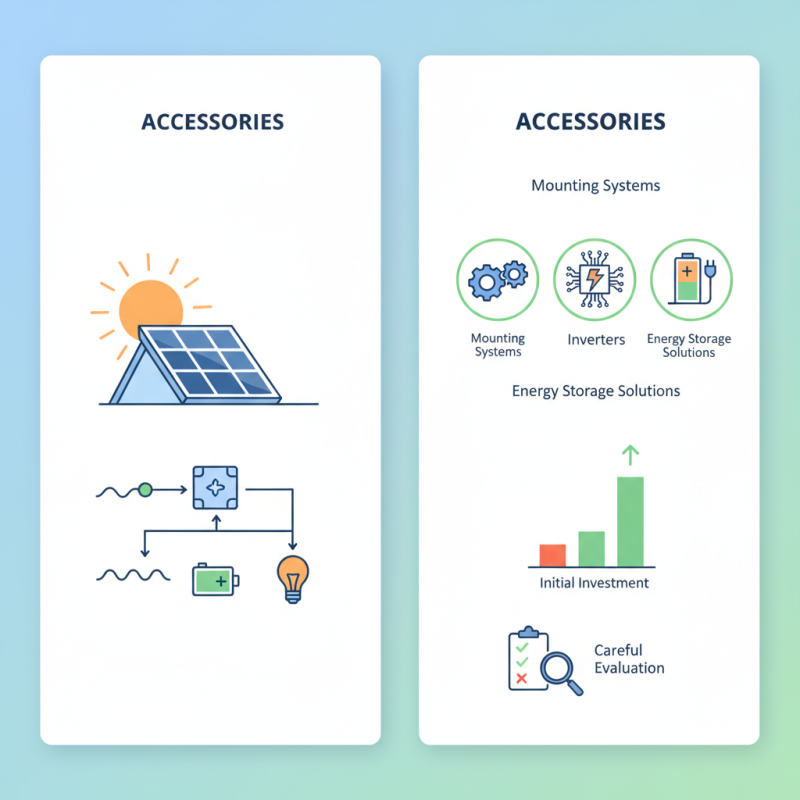
In today's renewable energy landscape, selecting the right Photovoltaic Accessory is crucial for optimizing solar energy solutions. These accessories enhance the performance and longevity of solar panels. They include items like inverters, mounting systems, and energy storage solutions. Each component plays a specific role in ensuring efficient energy production and utilization.
Investing in high-quality photovoltaic accessories can lead to significant long-term savings. However, choosing the best products can be overwhelming. Numerous options are available, and not all accessories provide the same value or efficiency. Some may even underperform, leading to wasted energy and resources. A careful evaluation of each accessory's specifications and compatibility is essential for maximizing your solar system's potential.
Moreover, the market is evolving. New technologies are emerging that claim to enhance solar efficiency further. Among these, some accessories stand out but may necessitate a learning curve for users. Therefore, understanding the benefits and limitations of each accessory is vital. This approach allows users to make informed decisions that align with their specific energy needs.
Essential Components of a Photovoltaic System for Optimal Performance
When setting up a photovoltaic system, selecting the right accessories is crucial for optimal performance. Solar inverters play a vital role by converting direct current (DC) from solar panels into alternating current (AC), which is used in homes and businesses. The quality of inverters can impact energy efficiency. Choosing a reliable brand matters, but understanding their function is key.
Other essential components include mounting systems and battery storage. Mounting systems securely position solar panels at the correct angle. A well-designed mounting system enhances sunlight exposure throughout the day. Battery systems are beneficial for storing excess energy. However, many people overlook their importance, often purchasing low-capacity options that don’t meet their needs.
Monitoring systems are also critical. They track energy production and identify potential issues. Some users may realize their monitoring is insufficient only after installation. Regular assessment of these components can help maintain efficiency. A photovoltaic system is an investment, and paying attention to its details will ensure longer-term benefits.
Best Photovoltaic Accessories for Efficient Solar Solutions
| Component | Function | Efficiency Impact | Recommended Features |
| Solar Inverter | Converts DC to AC electricity | Crucial for maximizing energy production | High efficiency rating (98%+), smart monitoring |
| Mounting System | Secures panels in place | Affects solar angle and wind resistance | Durable material, adjustable angles |
| Battery Storage | Stores energy for later use | Improves energy availability during low production | High capacity, fast charge/discharge rate |
| Charge Controller | Regulates battery charging | Prevents overcharging and prolongs battery life | MPPT technology, user-friendly interface |
| Wiring and Connectors | Transfers electricity | Influences energy loss through resistance | UV resistant, appropriate gauge for system size |
Overview of Photovoltaic Accessories and Their Functions
Photovoltaic accessories play a crucial role in enhancing the efficiency of solar solutions. These components include inverters, batteries, mounting systems, and monitoring devices. Each accessory contributes uniquely, ensuring optimal energy production and system reliability.
Inverters are fundamental in converting direct current (DC) generated by solar panels to alternating current (AC) used in homes. A good inverter minimizes energy loss. Solar batteries, on the other hand, store excess energy for later use. This can be particularly useful during peak hours or rainy days when solar generation dips.
Tips: Always check the inverter’s efficiency rating. A rating above 95% is ideal. Ensure batteries fit your energy needs; too small may lead to shortages.
Mounting systems support solar panels, giving them the right angle for maximum sunlight capture. Proper installation is essential for stability and longevity. Monitoring devices provide real-time data, allowing users to identify issues early.
Tips: Use monitoring apps to track performance daily. This can catch problems early. Ensure mounting systems are securely installed. Wind and storms can damage poorly secured panels.
Understanding these accessories helps in making informed decisions about solar installations. With the right components, users can optimize their solar solutions and invest wisely.
Top Solar Inverters for Enhancing Energy Efficiency
The choice of solar inverters significantly impacts energy efficiency in photovoltaic systems. Recent studies indicate that a high-quality inverter can improve overall energy output by up to 25%. Inverters convert the direct current (DC) generated by solar panels into alternating current (AC) for home use. This process is crucial for maximizing the amount of usable energy.
Not all inverters operate the same way. String inverters are popular but can be less efficient in shaded conditions. Conversely, microinverters allow for better performance at individual panel levels. Each panel operates independently, which is an advantage when it comes to maximizing output in varying light conditions. According to the National Renewable Energy Laboratory, using microinverters can increase efficiency by about 10% in complex installations.
Selecting the right inverter involves considering system compatibility, efficiency ratings, and expected lifespan. Many inverters come with warranties ranging from 5 to 12 years, reflecting their reliability. Inverter efficiency is often measured by its maximum conversion efficiency, with top models reaching over 98%. However, real-world conditions can pose challenges, such as temperature fluctuations affecting performance. Adapting to these variations remains a topic of ongoing research and discussion in the industry.
Power Storage Solutions: Batteries and Their Impact on Solar Systems
When considering photovoltaic systems, power storage solutions play a vital role. Batteries are key components that enable energy management and efficiency in solar systems. They store excess energy generated during sunny days for use when sunlight is scarce. This ability to harness solar energy optimally can greatly reduce dependence on the grid.
Selecting the right battery type is crucial. Lithium-ion batteries are popular for their efficiency and longevity. However, they can be expensive. Lead-acid batteries are more affordable but have a shorter lifespan and lower efficiency. Assessing energy needs and usage patterns can guide your choice. Tips: Always calculate your energy consumption before purchasing. This ensures the battery meets your specific needs without overspending.
Regular maintenance of batteries is essential. Monitoring charge cycles and ensuring proper ventilation can prolong battery life. Additionally, positioning batteries in a cool, dry place helps prevent premature degradation. If you’re unsure about your setup, consult a professional. Tips: Keep a log of battery performance. This allows better tracking and timely adjustments to enhance efficiency.
Impact of Battery Capacity on Solar System Efficiency
Mounting and Racking Systems: Key Factors for Installation Success
When it comes to solar energy installations, mounting and racking systems are vital. A recent study found that nearly 50% of installation failures stem from inadequate mounting setups. Proper racking solutions are essential to ensure stability and longevity. They must withstand varying weather conditions. This includes strong winds and heavy snow loads.
Choosing the right mounting system influences energy efficiency. According to industry reports, poorly installed panels can lose up to 20% of their potential energy production. Structural integrity is non-negotiable. Furthermore, local regulations often dictate specific mounting requirements. Ignoring these can lead to costly fines and further complications.
Installation teams should be well-versed in these nuances. Training and experience can make a significant difference. A lack of knowledge about local climates and conditions can lead to flawed setups. Even the best solar panels will underperform if the mounting is not done correctly. Continuous learning and adaptation are crucial for ongoing success in this evolving field.