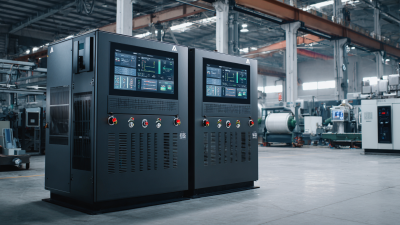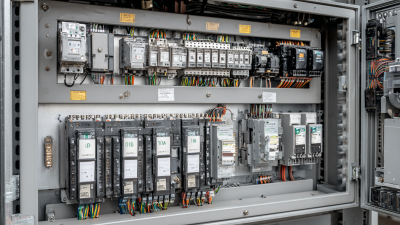
In the pursuit of enhanced energy efficiency and optimal performance within industrial applications, the selection of the right variable frequency drive (VFD drive) plays a crucial role. As industries evolve and seek to reduce their carbon footprints while simultaneously achieving operational excellence, VFD drives have emerged as vital components in various processes. By allowing precise control over motor speed and torque, these drives not only facilitate significant energy savings but also improve the overall productivity of machinery.
In recent years, the significance of VFD drives has grown steadily, driven by advancements in technology and the increasing demand for sustainable practices in manufacturing. The ability of VFD drives to adapt to varying operational conditions enables them to minimize energy consumption, ultimately leading to cost savings and reduced environmental impact. Furthermore, as industrial systems become more complex, the integration of high-performance VFD drives ensures reliable performance, contributing to enhanced system longevity and minimal downtime.
This article will delve into the features and benefits of the best VFD drives currently available in the market, emphasizing their pivotal role in achieving improved energy efficiency and performance benchmarks. By examining the various factors that influence the selection of VFD drives, we aim to provide insights that will aid industrial operators in making informed decisions about their drive systems, thus paving the way for a more efficient and sustainable future in industrial operations.
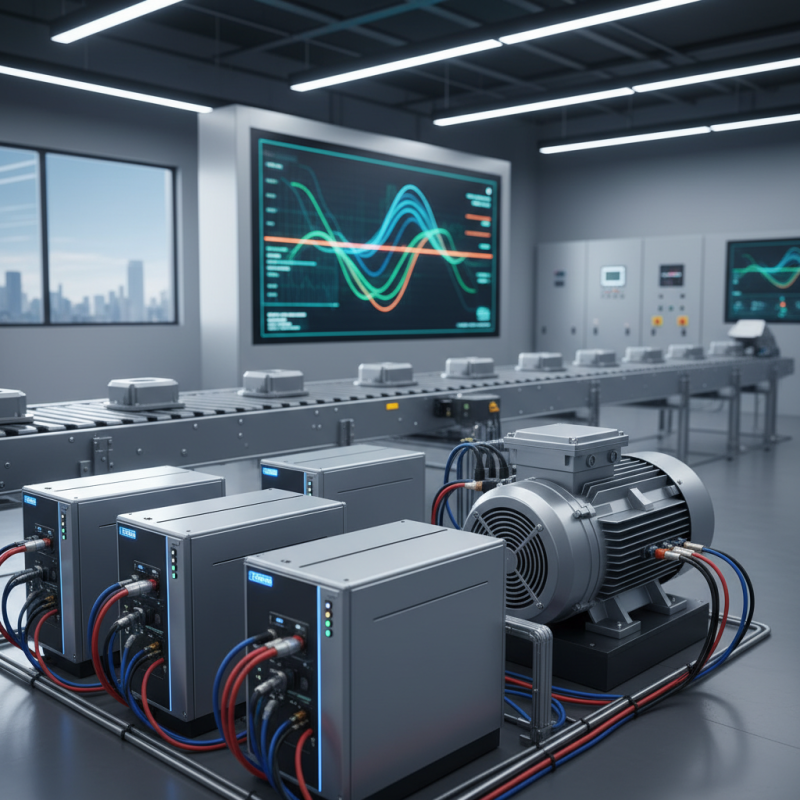
When considering factors influencing energy efficiency in variable frequency drive (VFD) systems for industrial applications, several key elements come into play. Firstly, the selection of the correct drive size and model is crucial. An oversized VFD can lead to inefficiencies, as it may not operate within its optimal range, resulting in wasted energy. Conversely, an undersized VFD may struggle to handle the required load, causing performance issues and increased energy consumption. Therefore, a precise calculation of the load requirements together with a thorough understanding of the application is essential for maximizing energy efficiency.
Additionally, the control strategies employed in VFDs significantly impact their energy performance. Advanced control algorithms, such as vector or direct torque control, provide better regulation of motor speed and torque, leading to reduced energy losses. Moreover, integrating features like energy monitoring and feedback mechanisms allows for real-time adjustments and optimizations, further enhancing energy savings. By implementing these advanced features and ensuring proper installation and maintenance, industries can greatly improve the energy efficiency of their VFD systems, resulting in not only cost savings but also a reduced environmental footprint.
The analysis of Variable Frequency Drive (VFD) technologies reveals a diverse array of options tailored to enhance energy efficiency and performance in industrial applications. A critical performance metric that distinguishes various VFD drives is their efficiency at different load levels. For instance, some drive technologies exhibit higher efficiency at partial loads, enabling significant energy savings during operations that do not consistently run at full capacity. By examining these performance aspects, industries can select VFDs that not only meet their operational demands but also align with sustainability goals.
Another essential factor in the comparative analysis is the control methodology employed by different VFD technologies. Pulse Width Modulation (PWM) is a commonly used technique that allows for precise speed control and optimal torque delivery. However, some advanced drive technologies utilize sensorless vector control or direct torque control, which provide enhanced dynamic response and control under varying loads. These methodologies demonstrate how the choice of control strategy can significantly impact the overall performance, especially in applications requiring quick adjustments and high accuracy.
Ultimately, the evaluation of energy efficiency and performance metrics offers crucial insights into selecting the most suitable VFD drive for specific industrial applications. By focusing on both efficiency ratings and control strategies, industries can optimize their processes while minimizing energy consumption and downtime, unlocking new levels of operational productivity.
Variable frequency drive (VFD) systems play a crucial role in optimizing energy consumption within industrial settings. By adjusting the speed and torque of electric motors in response to varying load requirements, VFDs can significantly reduce energy waste that typically arises from constant-speed systems. Traditional methods often entail operating motors at full capacity regardless of the task at hand, leading to excessive energy expenditure. In contrast, VFDs allow for precise motor control, aligning power usage more closely with the actual demand of the application, which can lead to substantial savings on energy costs.
The impact of VFDs on overall energy consumption cannot be overstated. In industries such as manufacturing, HVAC, and water treatment, the ability to modulate motor speed according to real-time requirements minimizes unnecessary energy usage, resulting in reduced operational costs. Moreover, the integration of VFDs can also enhance the lifespan of motors and associated equipment by decreasing mechanical stress during startup and operational fluctuations. This not only improves maintenance schedules but also promotes a more sustainable operational model, as less energy consumption translates to lower greenhouse gas emissions and a reduced carbon footprint within industrial facilities. As companies increasingly shift towards energy-efficient practices, the adoption of VFD technology stands out as a pivotal strategy in driving performance while concurrently addressing environmental concerns.
The implementation of Variable Frequency Drives (VFDs) in industrial settings has proven to be a game-changer for energy efficiency. One notable case study involved a large manufacturing facility that replaced traditional motor systems with VFDs to manage their motor speeds based on real-time demand. This adaptation not only reduced energy consumption by approximately 30% but also improved the overall efficiency of the production process. The ability of VFDs to adjust the power supplied to motors led to noticeable reductions in power peaks, contributing to both immediate savings and long-term sustainability goals.
Another example can be found in the water treatment industry, where a facility adopted VFD technology to control the operation of pumps. By implementing VFDs, the facility was able to optimize flow rates and pressure levels for varying water treatment needs, resulting in significant energy reductions and lower operational costs. The flexible control offered by VFDs allowed the facility to respond dynamically to changes in usage patterns, thus maximizing performance while minimizing waste.
These case studies illustrate that careful integration of VFD drives can lead to substantial financial and environmental benefits in various industrial applications.
In recent years, the development of Variable Frequency Drives (VFDs) has increasingly prioritized energy efficiency and performance, reflecting a broader shift towards sustainable industrial practices. As industries aim to reduce their energy consumption and carbon footprints, cutting-edge VFD technologies are being designed with advanced algorithms that optimize motor performance while minimizing energy usage. These innovations not only enhance operational efficiency but also contribute to significant cost savings over time. For instance, adaptive control methods enable VFDs to adjust their output based on real-time operational demands, thereby reducing unnecessary energy expenditure during low-load conditions.
Looking ahead, future trends in VFD development are likely to emphasize the integration of smart technologies and IoT capabilities. The incorporation of predictive maintenance features through cloud connectivity can lead to increased operational reliability and reduced downtime. Moreover, the adoption of machine learning techniques stands to enhance the self-optimization capabilities of VFDs, allowing them to learn from historical data patterns and adjust their settings for improved performance. This proactive approach will ensure that VFDs not only respond effectively to fluctuating industrial needs but also drive the movement towards more efficient energy consumption, ultimately benefiting both manufacturers and the environment alike.