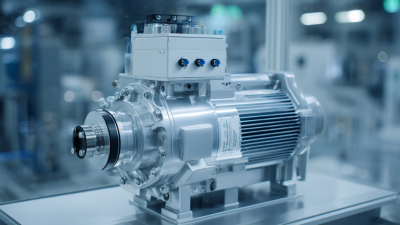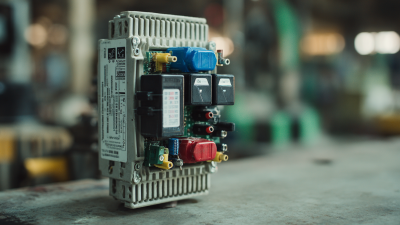
Why Choose the Right Electric Motor Controller for Your Needs?

Selecting the right electric motor controller is crucial for efficiency and performance. In recent years, the electric motor market has grown significantly. According to a report by Allied Market Research, the global electric motors market is projected to reach $168 billion by 2027. This growth emphasizes the importance of choosing appropriate controllers.

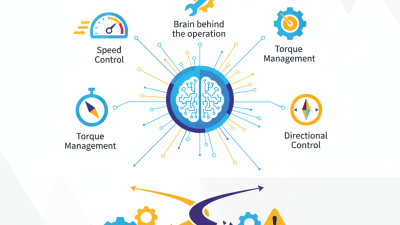
Electric motor controllers regulate the speed and torque of electric motors. Their role is vital in various applications, from industrial machinery to electric vehicles. An efficient controller can lead to energy savings of up to 30%. However, many users underestimate the need for a tailored solution. Not all controllers suit every application; incorrect choices can result in inefficient operations or even equipment damage.

Understanding specific needs is essential. Factors such as load characteristics and environmental conditions must be considered. A suitable controller not only enhances performance but also extends the life of the motor. A poor selection can lead to costly repairs and downtime, highlighting the need for informed decision-making.
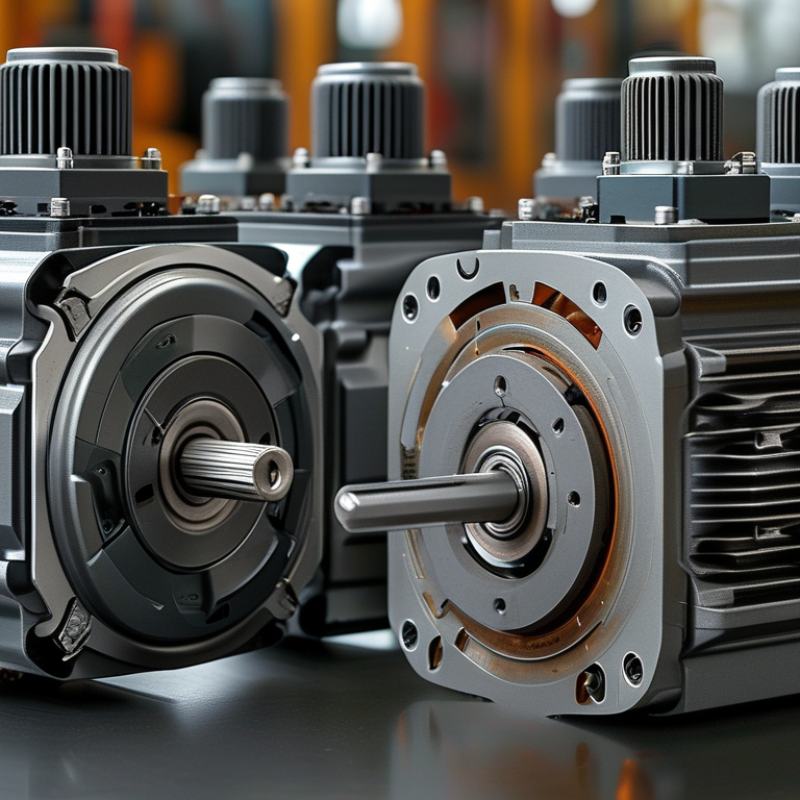
Why Choose the Right Electric Motor Controller for Your Needs?

Understanding Electric Motor Controllers: An Overview of Their Functionality

Electric motor controllers play a crucial role in the operation of electric motors. Their functionality includes regulating speed and torque through precise control of electrical input. According to a recent industry report, the global electric motor controller market is projected to reach $45 billion by 2025, highlighting their increasing importance.

These controllers operate by adjusting the voltage and current supplied to the motor. A well-designed controller enhances energy efficiency, potentially improving the motor performance by over 30%. However, not all controllers are created equal. Choosing the wrong type can lead to inefficient motor operation and increased energy costs. The right controller considers factors such as motor type, application, and load characteristics.

While the technology is advancing rapidly, many users fail to conduct proper analysis before selection. Some may overlook compatibility and environmental conditions impacting controller performance. Understanding specific needs is essential. Inadequate research can lead to failure of the intended application or operational issues. As the market grows, staying informed about innovations becomes vital for optimal choices.

Key Factors to Consider When Selecting an Electric Motor Controller

Selecting the right electric motor controller is crucial for optimizing performance and efficiency in various applications. Key factors play a significant role in this decision-making process. For example, voltage rating and current capacity are essential metrics. If the controller cannot handle the motor's voltage or current requirements, it may lead to overheating or premature failure. According to a report by the Electric Power Research Institute, improper matching can decrease overall system efficiency by up to 30%.

Environmental conditions also warrant careful consideration. Controllers should be rated for specific environments, such as extreme temperatures or moisture levels. While it may be tempting to choose the most powerful option, it is often more practical to select a controller tailored to actual operational conditions. Inadequate attention to these factors can lead to unexpected downtime and increased maintenance costs. A study from the Institute of Electrical and Electronics Engineers highlights that up to 20% of industrial motor failures stem from controller mismatches.

Another point of reflection is the drive type—whether it is variable speed, servo, or open-loop control. Each type comes with its unique benefits and drawbacks. The complexity of the application should guide your choice. For simple tasks, a basic controller might suffice. However, complex applications could benefit from advanced features, which might be underutilized in simpler setups. Thus, understanding the specific needs of the application is vital for making an informed decision.

Types of Electric Motor Controllers and Their Specific Applications

Choosing the right electric motor controller is crucial for various applications. Each type of controller has its unique strengths that cater to specific needs. Common types include brushed DC controllers, brushless DC controllers, and AC controllers. Brushed DC controllers are often simpler and less expensive, making them ideal for basic applications. Reports indicate that they are frequently used in toys and small appliances. Brushless DC controllers, known for their efficiency, are commonly employed in electric vehicles and drones. Their ability to provide smooth operation under varied loads is a significant advantage.

In contrast, AC controllers excel in industrial settings. They handle higher voltages and currents, suitable for machinery and production processes. According to industry statistics, over 50% of industrial applications utilize AC motor controllers. This statistic highlights the preference for AC systems in heavy-duty tasks. The choice of the right controller can significantly influence energy efficiency, performance, and longevity of the motor.

However, selecting a motor controller is not always straightforward. Many factors can complicate the decision. For instance, understanding the specific load requirements is critical. Misjudging these needs can lead to inefficiencies or mechanical failures. It's important to consider both immediate needs and future scalability. A well-thought-out choice today can save time and resources tomorrow.

Common Mistakes to Avoid When Choosing a Motor Controller for Your Project

Choosing the right electric motor controller can significantly impact your project's success. However, many make avoidable mistakes during the selection process. It’s important to understand the specifications of the motor first. Ignoring details like voltage or current ratings can lead to poor performance. If the controller cannot handle the motor’s requirements, it won’t work efficiently.

Another frequent mistake is not considering the application needs. Controllers vary widely based on their intended use. For example, if your project demands precise speed control, a simple on/off controller won't suffice. Evaluate if you need closed-loop control for better precision. Also, remember that some controllers may have limitations on load capacity. Rushing the selection based on price can often lead to dissatisfaction later.

When searching for the right controller, think about compatibility. Some controllers are designed for specific motors or applications. Double-check the connections and settings to ensure seamless integration. Moreover, reviewing reviews or case studies can provide valuable insights. Understand the technology behind the product; knowing both strengths and weaknesses helps form a sound decision.

Be aware of your project timeline too. Sometimes, waiting for the right controller can save time and resources. Remember, your controller influences performance long-term, not just in initial tests.

Benefits of Using the Right Controller for Enhanced Motor Performance

Choosing the right electric motor controller can significantly enhance your motor's performance. A well-matched controller improves efficiency, ensuring optimal energy use and prolonging system life. Users often overlook the compatibility between the motor and the controller. This mismatch can lead to overheating, reduced torque, and lower overall performance.


Another vital aspect is the responsiveness of the controller. High-quality controllers offer better control over speed and torque. This precise control leads to smoother operation in various applications. For instance, in robotics, a responsive controller can dramatically improve movement accuracy. However, selecting a controller with too many features may complicate the setup without adding real value.


Understanding your specific needs is crucial. A simple application requires less sophisticated control, while complex systems may benefit from advanced options. It's essential to analyze the trade-offs between cost and performance. Sometimes, choosing features without proper assessment can lead to disappointment. Reflecting on the actual requirements can guide you toward the best decision.

Select Electrical Logo
Since 1988

Select Electrical Ltd. © Copyright 1988-2025