How to Choose Custom Steel Plate for Global Projects?
Choosing Custom Steel Plate for a global project demands more than comparing prices. The right plate must match structural loads, fabrication methods, climate, and delivery conditions. A bridge near a salty coastline needs stronger corrosion resistance than an indoor machine base. A pressure vessel may require certified toughness at low temperatures. These differences matter.
Edwin Basson, Director General of the World Steel Association, has described steel as “the most recycled material in the world.” That perspective supports responsible sourcing, but sustainability alone cannot define a suitable plate. Buyers should verify the steel grade, thickness tolerance, plate dimensions, heat treatment, weldability, and impact-test requirements. Mill test certificates should support every critical claim. Independent inspection may also be valuable when projects cross several countries.
Details become visible during fabrication. A plate that looks perfect on paper may distort after welding. A shipment may meet the requested thickness but fail to fit a cutting plan. Small gaps create expensive delays. Custom Steel Plate Suppliers should explain production limits clearly and confirm applicable standards before manufacturing begins.
I would not choose the cheapest option automatically. It can become costly later. Yet, the most expensive plate is not always the best answer. Project teams should compare total lifecycle value, including machining, coating, transport, installation, maintenance, and replacement risks. Local conditions can change the decision completely. Sometimes, the specification is too ambitious. Sometimes, it is not strict enough. Careful review, practical experience, and traceable documentation help turn a general requirement into dependable steel.
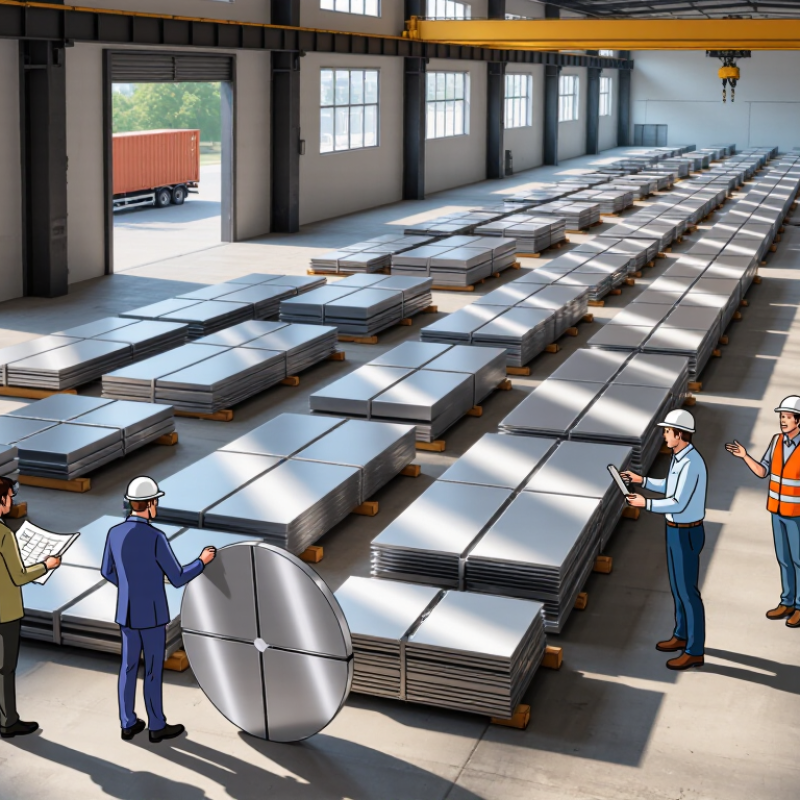
Define Project Loads and Select Steel Grades Under EN 10025 or ASTM A36
How to Choose Custom Steel Plate for Global Projects?
Defining project loads is the practical starting point for custom steel plate selection. Calculate dead, live, wind, seismic, impact, and thermal loads. Consider plate span, support conditions, fatigue cycles, and connection details. A warehouse roof and an offshore platform need different design assumptions. Temperature also matters. Low temperatures can reduce toughness and increase fracture risk. The first estimate may be wrong. Recheck loads with the project engineer and applicable local building codes.
Select grades under EN 10025 or ASTM A36 only after confirming the design conditions. EN 10025 includes grades such as S235, S275, and S355, while ASTM A36 is a widely used structural grade. These grades are not automatically equivalent. Compare yield strength, tensile strength, thickness limits, impact requirements, chemical composition, and weldability. For demanding structures, specify documented toughness testing and suitable welding procedures. Review mill test certificates before fabrication. Traceability protects quality.
Tips: Do not choose by strength alone. Check corrosion exposure, delivery thickness, bending requirements, and inspection access. Ask whether the selected grade is accepted by the project authority. A lower-cost plate may create higher fabrication costs later. Confirm tolerances before cutting. Keep the specification clear, but allow controlled technical review when site conditions change. One overlooked detail can affect the entire structure.
Match Plate Thickness, Tolerances, and Sizes With EN 10029 Requirements
For a global project, custom steel plate selection begins with measurable geometry, not only grade. World Steel Association’s World Steel in Figures 2024 reports 1,892.4 million tonnes of crude steel production in 2023. This scale increases supply options, but it also increases dimensional differences between mills. EN 10029 should anchor the purchase specification for hot-rolled plate.
State nominal thickness, width, length, and tolerance class clearly. EN 10029 links permitted thickness deviation to nominal thickness and plate width. It also addresses flatness, edge camber, out-of-squareness, and length tolerances. A 12 mm plate ordered at 2,500 × 12,000 mm needs more than “standard tolerance.” Put the selected class on the drawing. Confirm whether negative thickness deviation affects structural calculations. It may reduce the net section. That matters.
Measure twice. Use calibrated tools at receipt. Check thickness at agreed points, not only near the plate edge. Inspect flatness on a level bed. Record actual width, length, and diagonal difference. OECD’s 2024 steel market analysis highlights continuing global steel capacity pressure, making supplier qualification more important. Certificates support traceability, but they do not replace dimensional checks. I have seen chemistry approved quickly, followed by delayed fit-up corrections. That mistake is avoidable. Still, EN 10029 cannot replace project-specific design rules. Unusually tight tolerances may require written agreement and added cost.
How to Choose Custom Steel Plate for Global Projects?
Match Plate Thickness, Tolerances, and Sizes With EN 10029 Requirements
The chart shows selected nominal thicknesses and the corresponding Class A lower thickness deviation under EN 10029 for plates with widths up to 1,500 mm. The values represent the permitted reduction below the ordered nominal thickness.
EN 10029 covers hot-rolled steel plate with nominal thicknesses from 3 to 400 mm and widths of 600 mm or more. Confirm the applicable tolerance class, plate width, surface requirements, and project-specific specification before placing an order.
Verify Yield Strength, Tensile Strength, and Impact Toughness at −20°C
For global projects, custom steel plate should be selected from verified mechanical data, not nominal grade names. In project document reviews, I check yield strength, tensile strength, and Charpy impact toughness separately. EN 10025-2 lists S355 plates with a minimum 355 MPa yield strength for thinner sections. Its typical tensile range is 470–630 MPa. For many impact-tested variants, the requirement is 27 J at −20°C. These values change with thickness and delivery condition.
−20°C is not a decorative test temperature. It represents a real fracture risk in cold regions, exposed bridges, offshore structures, and winter erection. ASTM A370 defines procedures for tension and Charpy testing, while ISO 148-1 describes Charpy impact testing. Request the original mill test certificate, heat number, specimen direction, test temperature, and individual impact results. Average energy alone can hide a weak specimen. A certificate may look complete, yet missing traceability remains a serious gap.
Tips: Match the test direction to the design stress. Confirm thickness corrections. Ask for three Charpy values, not only the average. Review the actual test report, not a sales sheet. Also, do not assume S355 automatically meets −20°C toughness requirements. That assumption is easy, and sometimes wrong. Independent inspection can verify dimensions, chemistry, and sampling, although inspection is not a substitute for correct design. The World Steel Association reported global crude steel production at about 1.89 billion tonnes in 2023, showing the scale of supply, but scale does not guarantee consistent plate performance.
Choose Corrosion Protection Using ISO 12944 Exposure Classes and Coatings
Choosing custom steel plate for a global project starts with the environment, not thickness. ISO 12944 classifies atmospheric corrosivity from C1 to CX. C1 suits dry, clean interiors. C5 and CX address severe industrial, coastal, and offshore exposure. Marine splash zones require separate immersion or tidal-zone assessment. Do not label every coastal site C5. Salt, humidity, temperature, and pollutants can change the classification. A site survey remains essential.
For each exposure class, select a coating system with suitable surface preparation. ISO 12944 considers primers, intermediate coats, and finishing coats as one system. Plate edges, welds, bolt holes, and cut surfaces need special attention. These areas often lose protection first. Durability categories range from low to very high, but they indicate planning periods before major maintenance. They are not guaranteed service lives. Coating thickness, cleanliness, curing conditions, and application temperature can change performance. Small errors matter.
Custom plate specifications should also define steel grade, plate dimensions, corrosion allowance, coating compatibility, repair methods, and inspection records. Global projects need clear requirements for factory and site touch-up work. A coating suitable for a sheltered warehouse may fail beside a chemical plant. A system chosen for offshore steel may be unnecessary indoors. The first specification can still be wrong. Recheck the actual atmosphere, drainage, condensation, and maintenance access before approval. Those details often decide whether the steel remains reliable.
Confirm Mill Certificates, Ultrasonic Testing to EN 10160, and Export Logistics
Selecting custom steel plate for global projects starts with traceable evidence, not a low quotation. Mill certificates should identify heat numbers, plate dimensions, chemical composition, mechanical results, and delivery condition. Match every certificate with the plate markings and purchase specification. A certificate can contain errors.
The World Steel Association reported approximately 1.89 billion tonnes of crude steel production in 2023. This scale makes document control essential across multiple mills and countries. Request independent verification when the project carries high structural risk.
Ultrasonic testing should follow EN 10160, with the required testing class stated clearly in the order. The report should show scanning coverage, acceptance level, equipment details, and rejected indications. Do not accept “UT tested” as sufficient wording.
Export logistics can damage a technically compliant order. Confirm plate stacking, moisture protection, lifting points, seaworthy packing, and container or breakbulk suitability. Record photographs before loading. Check the bill of lading, packing list, certificate of origin, and insurance details before dispatch.
UNCTAD reports that over 80% of global merchandise trade by volume moves by sea, so port congestion and schedule changes remain realistic risks. Build buffer time into fabrication planning. This is often underestimated.
A practical improvement is to connect heat numbers with packing marks and shipment documents. That small link reduces disputes during customs clearance and site receiving.