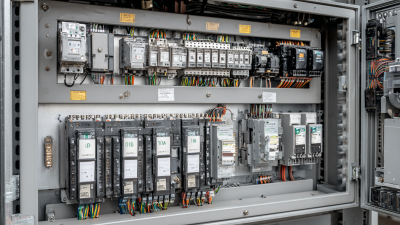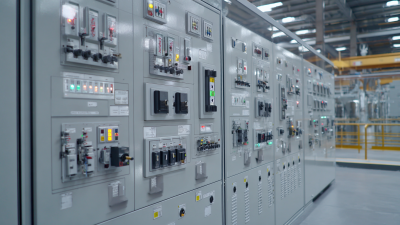
Choosing the right electrical switchgear is crucial for both safety and efficiency. According to industry expert John Smith, “Selecting proper electrical switchgear can prevent costly downtime.” His insights highlight the importance of informed decisions in this field.
When considering electrical switchgear, it’s vital to assess your specific needs. Factors such as voltage level, load requirements, and environmental conditions play a significant role. Many overlook these details, leading to mismatched equipment. The type of electrical switchgear can directly impact system reliability and maintenance costs.
Additionally, various features are available, such as automation and protection mechanisms. These must align with your operational goals. Many users make assumptions without fully understanding requirements. Therefore, dedicated research is essential to avoid costly mistakes. Each decision in choosing electrical switchgear should be thoughtfully made to ensure optimal performance and safety.
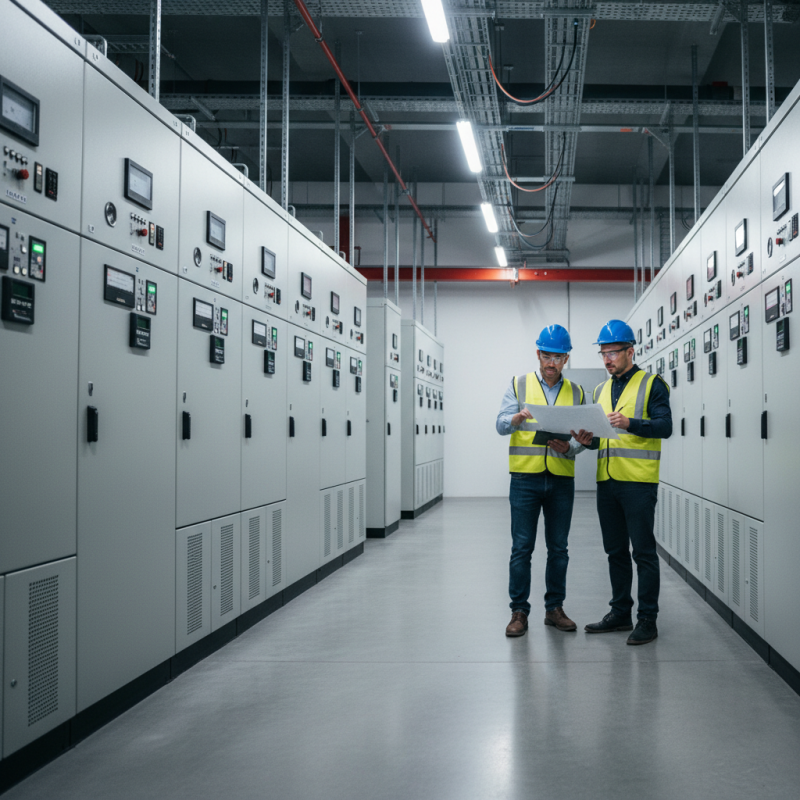
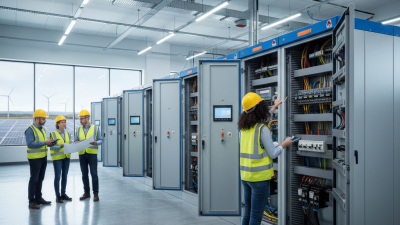
Electrical switchgear is essential in managing and distributing electrical power safely. It includes various devices that control, protect, and isolate electrical equipment. Understanding these basics can help you make informed decisions.
When choosing switchgear, consider its ratings. These ratings determine its capacity to handle power loads. High ratings indicate more robust devices. However, more capacity doesn’t always mean better. It can lead to unnecessary costs and space issues. Finding the right balance is key.
Another important aspect is the type of switchgear. There are several variations, such as air-insulated and gas-insulated types. Each type has its advantages and downsides. For example, gas-insulated switchgear tends to be more compact and suitable for limited space. But it can be more expensive. Understanding your specific needs is crucial. Assess your environment carefully. Consider safety, space, and budget limits. Choosing the right switchgear can make a big difference in efficiency and safety.
| Type of Switchgear | Voltage Rating (kV) | Current Rating (A) | Application | Key Features |
|---|---|---|---|---|
| Air Insulated Switchgear | 15 - 36 | 630 - 4000 | Substations, Industrial Plants | High reliability, Easy maintenance |
| Gas Insulated Switchgear | 72.5 - 145 | 250 - 4000 | Urban areas, Limited space | Compact design, Low maintenance |
| Hybrid Switchgear | 15 - 36 | 800 - 3000 | Flexible configurations | Space-saving, High performance |
| Metal Enclosed Switchgear | 5 - 15 | 400 - 1200 | Commercial buildings, Hospitals | Durability, Safety features |
| Open Air Switchgear | 72.5 - 145 | 1600 - 5000 | Utility applications | Easy access, Cost-effective |
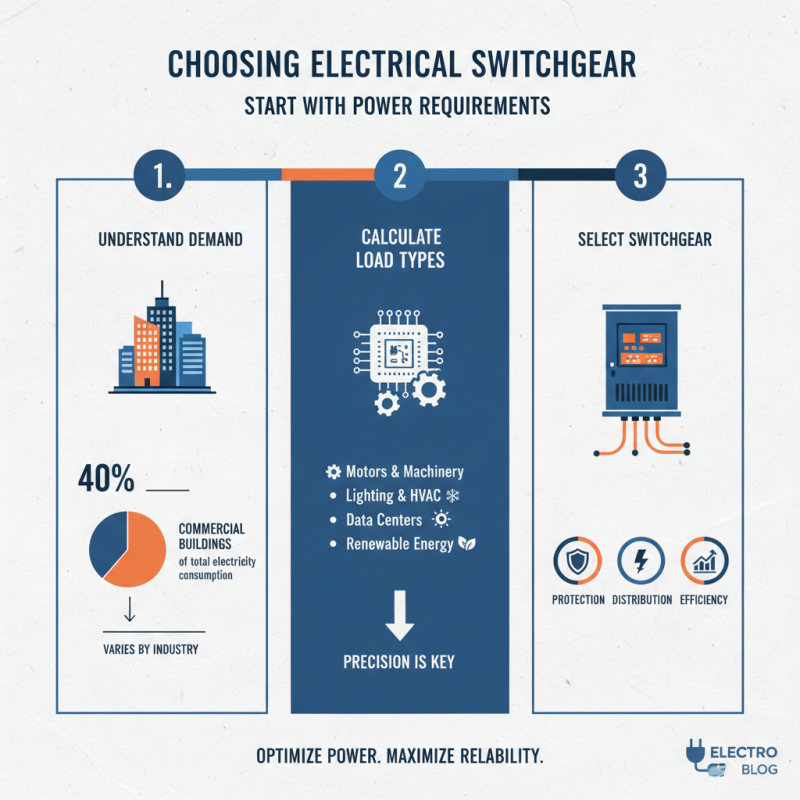
Choosing the right electrical switchgear starts with understanding your power requirements. Power demands vary widely across industries. According to a recent industry report, commercial buildings consume about 40% of total electricity. This highlights the need for precise calculations regarding load types.
Identifying load types is equally crucial. For instance, resistive loads are stable; they include heating elements. Conversely, inductive loads, like motors, can cause voltage drops and may require specialized switchgear. A miscalculation in estimating these loads can lead to inefficient operations. Sometimes, facilities oversize or undersize their switchgear, resulting in increased costs and energy waste.
Not all projects will have a clear path. Some facilities face fluctuating loads, making it challenging to select appropriate switchgear. Future expansions can also complicate decisions. Although industry standards provide guidance, they may not cater to every specific scenario. It’s essential to conduct a thorough assessment tailored to unique conditions.
When selecting switchgear, it's essential to assess the various types available. Each type serves different purposes and is designed for specific environments. For instance, air-insulated switchgear is often used in medium-voltage applications. It is reliable and suitable for outdoor installations. In contrast, gas-insulated switchgear is more compact and ideal for restricted spaces. Its sealed design minimizes maintenance but may come at a higher cost.
Another option is modular switchgear. This design allows for flexibility and scalability. It can be adjusted on-site according to changing needs. However, this adaptability can introduce complexity in installation and operation. It’s important to consider long-term requirements when deciding. Cost and space limitations also play crucial roles.
Inspecting each type helps clarify your choice. You might find that your initial preference isn’t the best fit. Keep in mind the environment, load requirements, and future expansion plans. The wrong choice can lead to safety hazards or higher operational costs. Spend time reflecting on the specific needs of your project to make an informed decision.
When selecting electrical switchgear, safety standards and regulations take precedence. These guidelines ensure that the equipment functions reliably and protects users. Understanding local and international standards is crucial. This can prevent accidents and legal issues down the line.
Many regulations can be complex, which might be overwhelming. You may need to consult experts for clarity. It is also common to overlook minor details. Things like the equipment’s environment and load requirements can significantly impact safety. Compliance isn’t just about meeting standards but also fostering a culture of safety.
Incorporating safety into your choice requires a proactive mindset. Analyze the specific needs of your facility. Consider factors such as maintenance, accessibility, and potential hazards. Ignoring these aspects can lead to significant challenges. If you rush this process, it may result in costly mistakes that could have been avoided. Always prioritize safety to protect people and investments.
This chart illustrates the compliance rates of different electrical switchgear safety standards. Understanding these compliance rates can assist in selecting the right switchgear that meets safety regulations and requirements effectively.
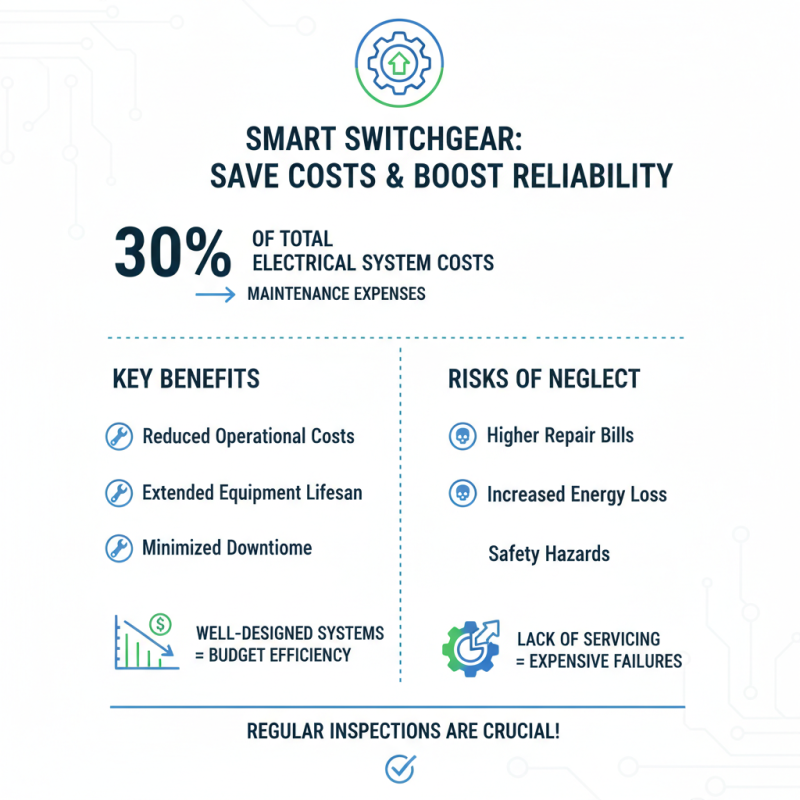
When choosing switchgear, maintenance and operational costs are crucial. A well-designed switchgear system can significantly impact your budget. Studies show that maintenance can account for up to 30% of total electrical system costs. Regular inspections and servicing are essential. Over time, neglect can lead to higher expenditures.
Operational costs include energy usage, downtime, and labor. Aging equipment often requires more energy, pushing up costs. Data from industry reports indicate that modern, energy-efficient switchgear may reduce operational costs by up to 20%. Choosing the right switchgear can lead to savings in the long run.
Tips:
- Evaluate historical maintenance records. They can reveal hidden issues.
- Consider future expansion needs. Choosing scalable options can save costs.
- Invest in training staff. Well-informed teams can minimize operational disruptions.
Understanding these costs helps ensure efficient budgeting and operational effectiveness. Maintenance strategies should adapt to the equipment’s condition. High-quality switchgear may have a higher upfront cost but can lower expenses over its life cycle.