In 2026, the selection of industrial electric motors is crucial for optimizing efficiency and performance. The demand for these motors continues to rise, fueled by advancements in automation and green technologies. According to a recent market report by Global Industry Analysts, the global industrial electric motors market is projected to reach $160 billion by 2027, emphasizing the importance of making informed choices in this sector.
Dr. Emily Carter, a leading expert in industrial automation, notes, "Selecting the right motor can make or break operational efficiency." This statement underlines the vital role industrial electric motors play across various industries, from manufacturing to renewable energy. With innovations constantly emerging, professionals must consider technical specifications, energy efficiency ratings, and lifecycle costs.
However, the process of choosing the right motor can often feel overwhelming. Many overlook the importance of thorough research and reliable data. Balancing personal preferences with industry standards is challenging yet essential. In this rapidly evolving field, having a clear understanding of the latest trends and technologies is critical. The choice of industrial electric motors needs careful consideration to maximize returns and minimize operational disruptions.
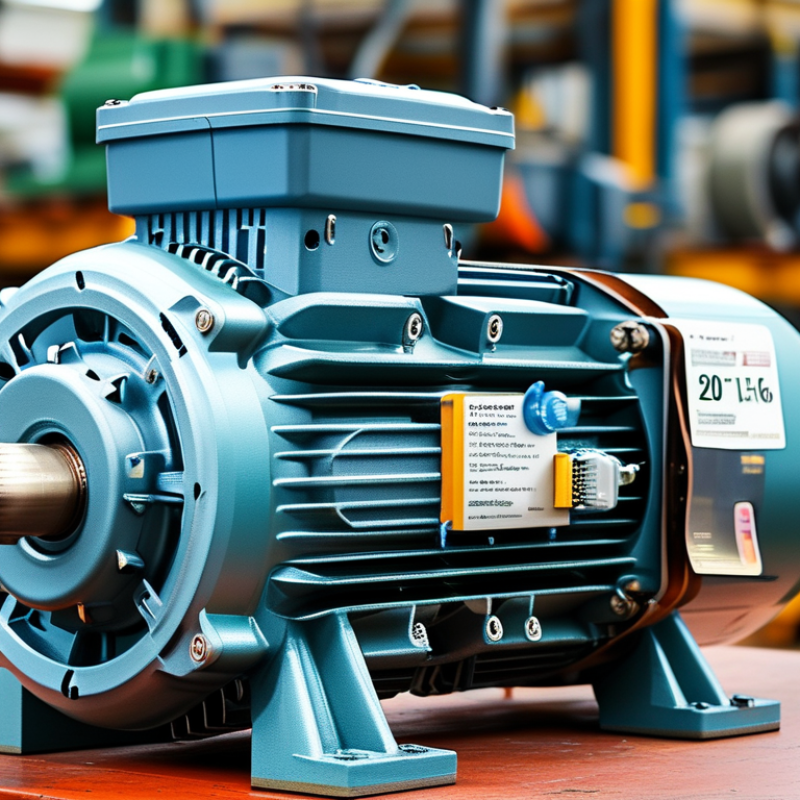
Understanding the fundamentals of industrial electric motors in 2026 requires a grasp of key specifications and applications. Electric motors drive about 70% of industrial processes worldwide. This means that selecting the right one is crucial for efficiency and reliability.
In terms of power, AC motors still dominate the market, accounting for approximately 80% of sales. However, the rise of DC motors is notable, especially for applications requiring precise speed control. A recent report from the International Electrotechnical Commission indicated that energy-efficient motors can reduce operational costs by up to 40%.
The materials used in motor construction have evolved significantly. Manufacturers are increasingly focusing on lightweight, high-strength materials to improve performance. Conducting market research and understanding trends can be daunting. Consulting with professionals can help in navigating these complexities. Deciding without adequate information can lead to increased energy consumption and maintenance costs. This oversight may hinder production efficiency and affect overall profitability.
| Motor Type | Power Rating (kW) | Efficiency Class | Application | Typical Cost ($) |
|---|---|---|---|---|
| AC Induction Motor | 5 | IE3 | Pumps, Fans | 1,200 |
| DC Brushed Motor | 2 | N/A | Conveyor Systems | 300 |
| Brushless DC Motor | 1.5 | IE4 | Robotics | 450 |
| Stepper Motor | 0.5 | N/A | 3D Printers | 150 |
| Synchronous Motor | 50 | IE5 | Generators, Large Pumps | 12,000 |
When selecting industrial electric motors in 2026, understanding efficiency ratings is crucial. The industry is seeing new standards. These aim to improve energy performance and reduce operational costs. Efficiency ratings represent how well a motor converts electrical energy into mechanical output. A higher rating usually indicates better performance.
Comparison across different motors can be challenging. Make sure to consider factors like load requirements and operating conditions. Each application may demand a different efficiency level. Real-world testing is essential. Benchmarks can sometimes be misleading due to laboratory settings. The reliability of data from these tests affects decision-making. It’s important to validate efficiency claims through on-site evaluations.
Motor efficiency not only impacts costs but also influences environmental goals. Poorly chosen motors lead to wastage and higher emissions. Evaluating available technologies requires a critical approach. Engage with industry experts and review case studies. Learning from others' experiences in similar applications can provide valuable insights. Assess the long-term value rather than focusing solely on upfront costs.
Selecting the right industrial electric motor starts with a clear understanding of your specific application requirements. Different industries have varied demands that influence the motor selection process. A study by the Motor & Equipment Manufacturers Association indicates that improper motor selection can lead to energy inefficiencies, costing facilities up to 30% more in operational expenses. Knowing the voltage, power, and speed requirements is critical for achieving optimal performance.
Understanding load characteristics is another pivotal aspect. For instance, whether the application involves constant load, variable load, or high starting torque affects the type of motor needed. According to research from the Department of Energy, over 70% of industrial motors are over-specified, leading to unnecessary energy consumption. Engaging with industry experts can clarify these details, but relying solely on expert advice without thorough self-assessment can lead to misjudgments.
Evaluating environmental factors, such as temperature and humidity, is also essential. Motors designed for specific conditions, like embedded cooling systems for higher temperatures, must be prioritized. Inadequate consideration of these elements may result in a shorter motor lifespan or increased maintenance needs. Gaining insights from industry whitepapers or technical data can help refine choices. However, data should be interpreted critically, as relying on outdated or generic information may limit decision-making accuracy.
In 2026, selecting the right industrial electric motors requires an understanding of recent technological advancements. There has been significant growth in the development of smart motors. These motors use advanced sensors and IoT technology to monitor performance in real-time. This allows for better efficiency and reliability, but it also introduces complexity in maintenance and troubleshooting.
Motor performance is now influenced by digital control systems. These systems enhance precision in operations. However, not all users are prepared for the shift to digitalization. Many industries still rely on traditional methods, which can lead to missed opportunities for optimization. Moreover, integrating new technologies can be challenging, and not all environments are ready for such changes.
While newer motors offer higher efficiency, they may not always fit existing infrastructure. Compatibility issues can arise, necessitating further investment. It's crucial to evaluate the specific needs of your operation. Not every technological leap is suitable for every application. Sometimes, the best choice may still be a tried-and-true motor that ensures ease of use and reliability. Balancing innovation with practicality is key in making effective decisions.
When selecting industrial electric motors, cost-effectiveness plays a crucial role. Various factors influence this decision. Understanding your application's specific needs is essential. For instance, the motor's operational environment impacts its longevity and efficiency. Harsh conditions can lead to increased wear and tear, affecting performance and life span. Selecting a motor designed for such environments might seem costly initially, but it can save money in the long run.
Energy efficiency is another significant aspect. More efficient motors consume less electricity, lowering operational costs. However, higher efficiency often comes with a higher upfront price. Evaluating your energy savings over time can help justify this investment. Consider consulting with experts who can provide insights into energy ratings and expected lifespans.
It's also necessary to assess maintenance needs. Some motors require routine maintenance, while others are designed for minimal upkeep. A motor that seems affordable may incur hidden costs if it demands frequent repairs. Balancing upfront costs with potential long-term expenses can be tricky. Reflecting on these points can lead to more informed decisions in motor purchase.