How to Choose the Best Usb Charger for Your Devices?
In today's technology-driven world, choosing the best Usb Charger for your devices is crucial. According to a recent report by the International Data Corporation (IDC), the global market for USB chargers is expected to reach $8.5 billion by 2025. This reflects the increasing reliance on portable electronics. However, not all chargers are created equal. Many consumers overlook important factors such as charging speed and compatibility.
Expert Jane Smith, a recognized authority in charging technology, emphasizes, “A quality USB charger can improve device longevity and performance.” With the variety of options available, finding one that suits your needs can be challenging. Some chargers may promise fast charging but fail to deliver on that promise. Additionally, safety standards are essential. Low-quality chargers can pose risks, such as overheating or even device damage.
It’s essential to evaluate chargers carefully. Look for brands that provide clear specifications and have positive customer reviews. This diligence can help ensure that your devices remain safe and efficient. Remember, investing in a reliable USB charger is investing in the health of your devices.
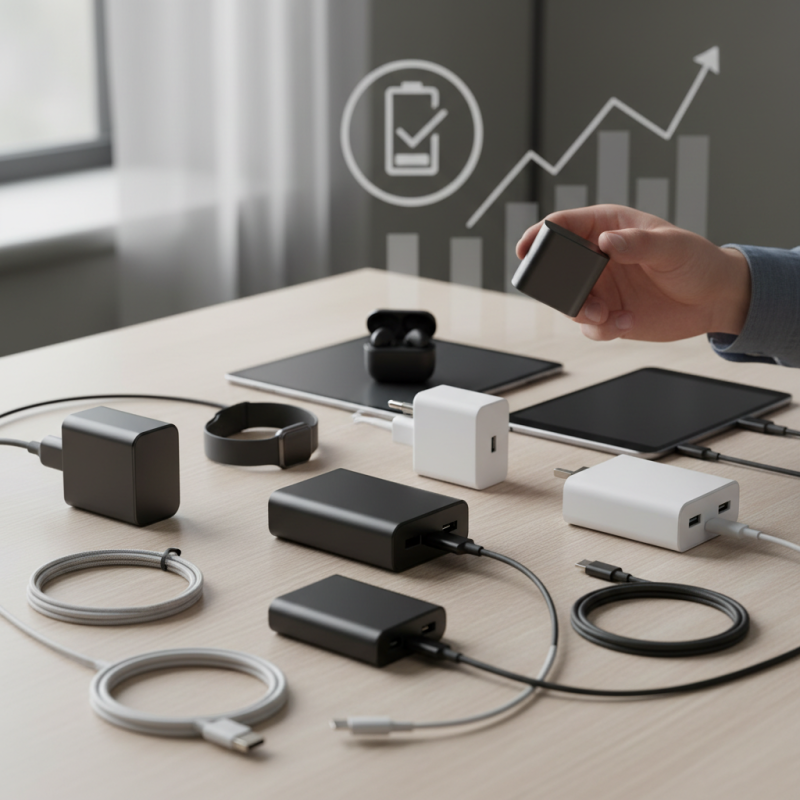
Understanding the Different Types of USB Chargers Available
When selecting a USB charger, it is essential to understand the different types available. USB chargers vary in power output, design, and compatibility. You might encounter wall chargers, car chargers, and portable power banks. Each type serves a unique purpose and can charge your devices effectively based on your needs.
Wall chargers are the most common. They plug directly into an outlet and provide stable power. Car chargers, on the other hand, are convenient for travelers. They plug into your vehicle’s 12V outlet. Portable power banks offer flexibility, allowing you to charge devices on the go. They are a lifesaver during long trips or when a power source isn’t available.
**Tip**: Always check the wattage of the charger. Charging too quickly can cause overheating. Choose a charger that matches your device’s requirements. Also, look for chargers with multiple USB ports. This allows you to charge several devices at once, making it more efficient.
**Tip**: Consider the cord length. Longer cords provide flexibility in placement. Too short, and it might be impractical. Lastly, check for safety certifications. Trustworthy chargers will have built-in protections against overcharging and short circuits, keeping your devices safe.
USB Charger Types and Their Output Capacities
Identifying the Charging Speed Requirements for Your Devices
When choosing a USB charger, understanding the charging speed requirements for your devices is vital. Many devices, from smartphones to tablets, have specific power needs. A typical smartphone may require 5W, while tablets and laptops often need more, like 10W or even 20W. It's crucial to check the specifications of each device to ensure they receive the optimal power.
Charging speed greatly affects efficiency. Devices that charge slowly can be inconvenient, especially during busy days. Fast charging options are available, but not every device can support them. For example, some older phones do not recognize high-speed chargers. This discrepancy can lead to frustration.
Moreover, the choice of cable also impacts charging speed. A low-quality cable may slow down the charging process. Trustworthy cables and chargers provide faster, safer charging. Many people overlook this factor. Taking the time to research and invest in quality can improve your charging experience significantly. Always double-check compatibility before purchasing a charger.
Evaluating Compatibility with Various Device Brands and Models
When selecting a USB charger, compatibility is crucial. Different device brands and models have distinct charging requirements. According to a recent report by the International Data Corporation, around 60% of consumers experience issues with charger compatibility. This highlights the importance of understanding your device's specifications.
Many modern devices support fast charging, but not all chargers can provide the necessary power. For instance, devices from different manufacturers may require different wattage levels. Using a charger with insufficient power can slow down charging speeds. The amp rating matters too; a charger rated for 2.4A will work best for high-demand devices.
Tips: Always check your device’s wattage and amp requirements. Consider universal chargers with multiple output options. They can adapt to various devices, improving compatibility and convenience.
Remember, while cost is a factor, cheaper chargers may lack safety features. Faulty chargers can damage devices or overheat. Knowing the standards your devices need ensures safer charging habits and longer device life.
Considering Safety Features and Certifications in USB Chargers
Choosing the right USB charger for your devices involves careful consideration, especially regarding safety features and certifications. Many chargers on the market lack the necessary safety measures to protect your electronics. Look for chargers that are certified by recognized standards such as UL, CE, or FCC. These certifications indicate that the product has passed rigorous safety tests.
Safety features are crucial when selecting a charger. Over-voltage protection, short-circuit protection, and temperature control should be standard. Chargers lacking these features can pose risks to your devices and living environments. Always check for reviews and expert opinions. Unverified products may seem attractive due to low prices, but they often compromise safety.
**Tips**: Use reputable websites to research USB chargers. Engage with online communities to get feedback. Avoid impulse purchases; take time to evaluate options before deciding. Ensuring the safety and reliability of your charger can save you potential headaches in the future.
Assessing Portability and Design for Everyday Use of USB Chargers
When choosing a USB charger, portability and design are crucial. A compact charger is often more convenient for daily use. Look for lightweight options that fit easily in your bag or pocket. This allows for charging on the go, making it ideal for busy lifestyles. Size can matter, especially when traveling.
The design also impacts usability. A well-designed charger should have durable materials and a simple interface. Consider options with foldable plugs. This feature minimizes bulk and prevents damage during transport. However, flashy designs might not always be practical. Sometimes, a simple charger is more reliable.
Check the cable management as well. Some chargers come with integrated cables, while others need separate ones. Having everything in one piece can simplify things, but it may limit compatibility. Reflect on your personal charging habits to determine what works best for your needs. Avoid getting caught up in aesthetics alone. Functionality should come first.
How to Choose the Best USB Charger for Your Devices?
| Charger Type | Ports | Output Power (Watts) | Weight (grams) | Portability Rating (1-5) |
| Wall Charger | 1 | 20W | 150 | 4 |
| Car Charger | 2 | 30W | 80 | 5 |
| Portable Charger | 2 | 100W | 250 | 3 |
| Desktop Charger | 4 | 60W | 400 | 2 |
| Solar Charger | 1 | 15W | 500 | 3 |