How to Choose the Right Circuit Breakers for Your Home Electrical System
Selecting the appropriate circuit breakers for your home electrical system is a crucial step in ensuring both safety and efficiency. Circuit breakers serve as the first line of defense against electrical overloads and faults, protecting not only your electrical appliances but also your home from potential hazards such as fires. With various types and specifications available on the market, making an informed decision can be overwhelming.
Understanding the function, types, and ratings of circuit breakers is essential for a reliable home electrical system. Different circuit breakers cater to distinct needs, whether it’s for general lighting, high-powered appliances, or specialized applications. Additionally, evaluating factors such as amperage and trip settings is vital to match your home’s electrical load and ensure optimal performance. This guide will walk you through the key considerations in choosing the right circuit breakers, providing you with the knowledge necessary to make the best choices for your specific requirements.
Understanding Different Types of Circuit Breakers: A Comprehensive Guide
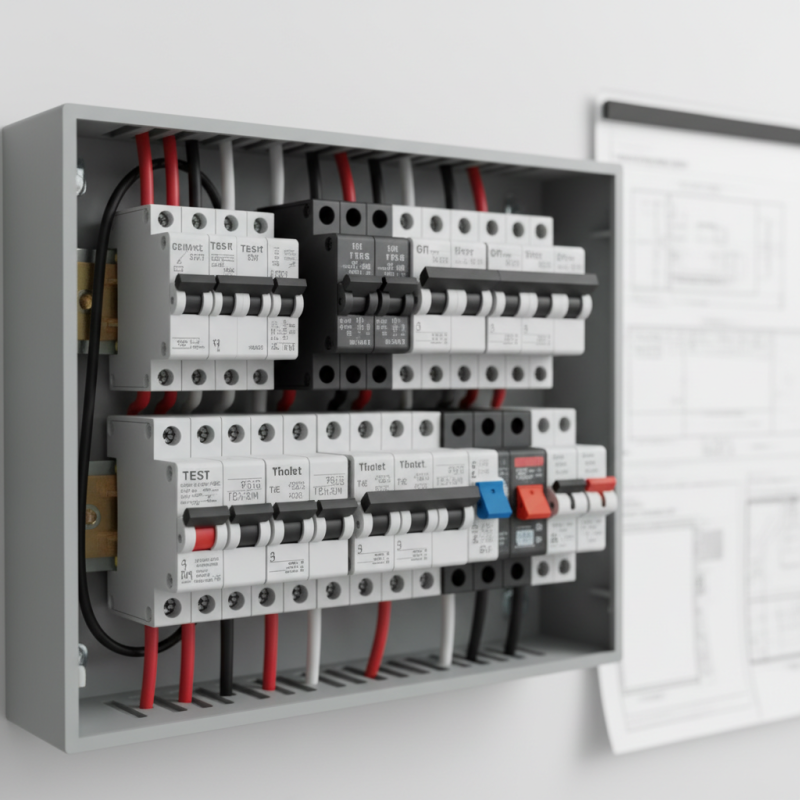
When it comes to ensuring the safety and functionality of your home electrical system, selecting the right circuit breaker is essential. Circuit breakers come in various types, each designed to protect against specific electrical issues. The most common types include standard circuit breakers, ground fault circuit interrupters (GFCIs), and arc fault circuit interrupters (AFCIs). Standard circuit breakers generally protect against overloads, while GFCIs are crucial for moisture-prone areas, providing essential protection against electrical shocks. AFCIs, on the other hand, are designed to prevent electrical fires caused by arc faults in wiring.
Tips: When choosing circuit breakers, always consider the specific needs of each area in your home. For example, install GFCIs in kitchens, bathrooms, and outdoor outlets to enhance safety. Additionally, ensure that your selected breakers match the amperage requirements of your circuits. Overrated breakers can lead to fire hazards, while underrated breakers may trip frequently, causing inconvenience. It's also advisable to consult with a licensed electrician for guidance tailored to your home's electrical layout and needs.
Many homeowners overlook the importance of compatibility with existing systems. Ensure you select breakers that match the panel specifications. It’s beneficial to check for certifications and standards compliance, as this guarantees the breaker meets safety requirements. By understanding the different types of circuit breakers and how they serve various functions in your electrical system, you will be better equipped to make informed decisions that enhance both safety and efficiency in your home.
Evaluating Your Home’s Electrical Load: Key Considerations and Calculations
When considering the electrical system of your home, evaluating your electrical load is a critical step in selecting the appropriate circuit breakers. The electrical load refers to the total amount of power that devices in your home consume. According to the National Electrical Code (NEC), a general rule of thumb is to estimate that each outlet draws about 1.5 amps. With modern homes equipped with an array of electronics—ranging from refrigerators and air conditioners to computers and televisions—calculating your total load involves summing the amperage of all continuous and non-continuous loads. This will ensure that your circuit breakers can handle the demand without tripping frequently.
Tips: To effectively gauge your electrical load, begin by listing all the major appliances and devices in your home along with their wattage. Then, use the formula: Watts = Volts x Amps. For instance, a 120V appliance that uses 600 watts will draw 5 amps. Adding these values together will provide a clear insight into the total draw on your circuit, ensuring that your breaker systems are appropriately rated.
Moreover, consider the peak usage times in your household since many devices might not be used simultaneously. The U.S. Department of Energy suggests that it's crucial to build in a safety margin; therefore, aim for your circuit breakers to handle about 80% of the total calculated load to prevent overheating and ensure longevity. By taking these essential steps, you'll position your home’s electrical system for optimal safety and efficiency.
Evaluating Your Home’s Electrical Load
Selecting the Right Amp Rating for Circuit Breakers: Industry Standards Explained
When selecting circuit breakers for your home electrical system, understanding the amp rating is crucial. The amp rating indicates the maximum amount of current a breaker can handle before tripping. Most residential electrical systems use breakers rated between 15 to 200 amps, depending on the specific application and the overall electrical load of the home. A 15-amp breaker is typically used for general lighting and outlets, while a 20-amp breaker may be required for kitchen circuits that handle larger appliances.
It's also essential to consider the National Electrical Code (NEC) standards, which dictate the minimum requirements for circuit breaker amp ratings to ensure safety. These standards guide homeowners in determining the appropriate size for their electrical needs, factoring in both the wire gauge and the devices connected to the circuit.
Installing a breaker with an insufficient rating can lead to frequent tripping, while an oversized breaker can pose serious fire hazards by allowing excessive current to flow without disconnection. Therefore, evaluating your electrical system's overall needs and adhering to industry standards is vital for selecting the right circuit breakers.
The Importance of Ground Fault Circuit Interrupters (GFCIs) in Home Safety
Ground Fault Circuit Interrupters (GFCIs) play a crucial role in the safety of home electrical systems. These devices are designed to protect against electrical shocks by monitoring the flow of electricity in a circuit. When they detect an imbalance, such as when electricity escapes from its intended path (for instance, through water or a person), GFCIs automatically interrupt the circuit. This rapid response can prevent serious injuries or fatalities, making them an essential feature in areas where water and electricity could come into contact, such as kitchens, bathrooms, and outdoor spaces.
Installing GFCIs in your home is not just a matter of convenience; it’s a vital safety measure. Homeowners should prioritize locations where moisture is prevalent, as these are the areas most prone to electrical hazards. Additionally, regular testing of GFCI outlets is recommended to ensure their functionality. Understanding the importance of these devices enhances overall home safety and reduces the risk of electrical accidents. By opting for GFCIs, homeowners can ensure that their electrical systems are equipped with an additional layer of protective technology, leading to a safer living environment for everyone in the household.
How to Choose the Right Circuit Breakers for Your Home Electrical System - The Importance of Ground Fault Circuit Interrupters (GFCIs) in Home Safety
| Type of Circuit Breaker |
Typical Use |
Amperage Ratings |
Description |
| Standard Circuit Breaker |
General lighting and receptacle circuits |
15A, 20A, 30A |
Protects wiring from overheating and fires. |
| Ground Fault Circuit Interrupter (GFCI) |
Wet areas (bathrooms, kitchens, outdoor spaces) |
15A, 20A |
Shuts off electrical flow if it detects a ground fault. |
| Arc Fault Circuit Interrupter (AFCI) |
Bedrooms and living areas |
15A, 20A |
Detects unintended arcing and prevents electrical fires. |
| Dual Function Breaker |
Mixed use (lighting + GFCI) |
15A, 20A |
Combines GFCI and standard breaker protection. |
Common Mistakes to Avoid When Installing Circuit Breakers in Your Home
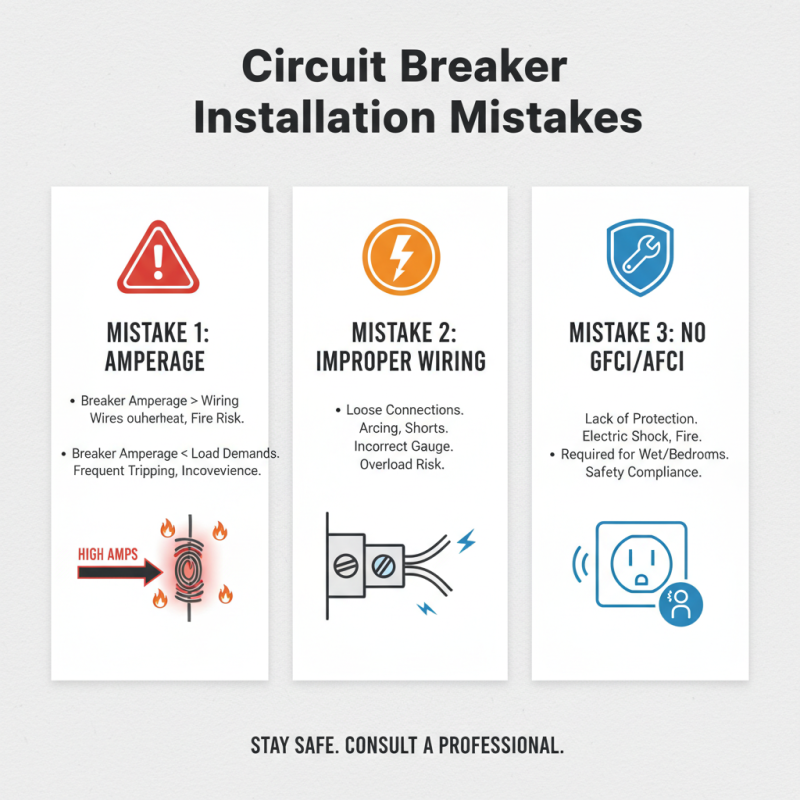
When installing circuit breakers in your home, there are several common mistakes that can lead to hazardous situations or system inefficiencies. One prevalent error is failing to select the appropriate amperage for the circuit breaker. It's essential to match the breaker size with the wiring capacity and the load demands of the circuit. Using a breaker that is too high in amperage can prevent it from tripping when necessary, allowing overheating and potential fire risks, while one that is too low may trip frequently, causing inconvenience.
Another significant mistake is neglecting to consider the specific types of circuit breakers required for different applications. For example, GFCI (Ground Fault Circuit Interrupter) breakers are crucial for damp areas like kitchens or bathrooms, while AFCI (Arc Fault Circuit Interrupter) breakers are important for bedroom circuits. Installing the wrong type of breaker can lead to inadequate protection, making it easier for electrical issues to go unnoticed. Additionally, improper installation techniques, such as insufficient tightening of connections or overlooking grounding requirements, can compromise the safety and functionality of your electrical system. Paying attention to these details is crucial for a reliable and secure installation.