Choosing the right electrical switch is crucial for any home or business. An electrical switch is not merely a button; it controls the flow of electricity to appliances and lights. A poorly chosen switch can lead to inconvenience and safety issues.
When selecting an electrical switch, consider its design and functionality. Different switches serve various purposes, such as dimmers for mood lighting or toggles for practical use. The materials and ratings can also impact performance. A reliable switch should withstand daily usage without failing.
Many individuals overlook the importance of compatibility with existing systems. This oversight can result in frequent replacements or malfunctions. It's advisable to consult professionals if unsure about technical specifications. Keeping these factors in mind will help in making an informed choice, ultimately enhancing safety and efficiency in your living space.
Choosing the right electrical switch involves understanding various options in the market. Switches can range from simple on/off types to more complex smart switches. According to recent industry reports, around 20% of consumers prioritize energy efficiency in their selection process. This reflects a growing trend towards sustainability in electrical appliances.
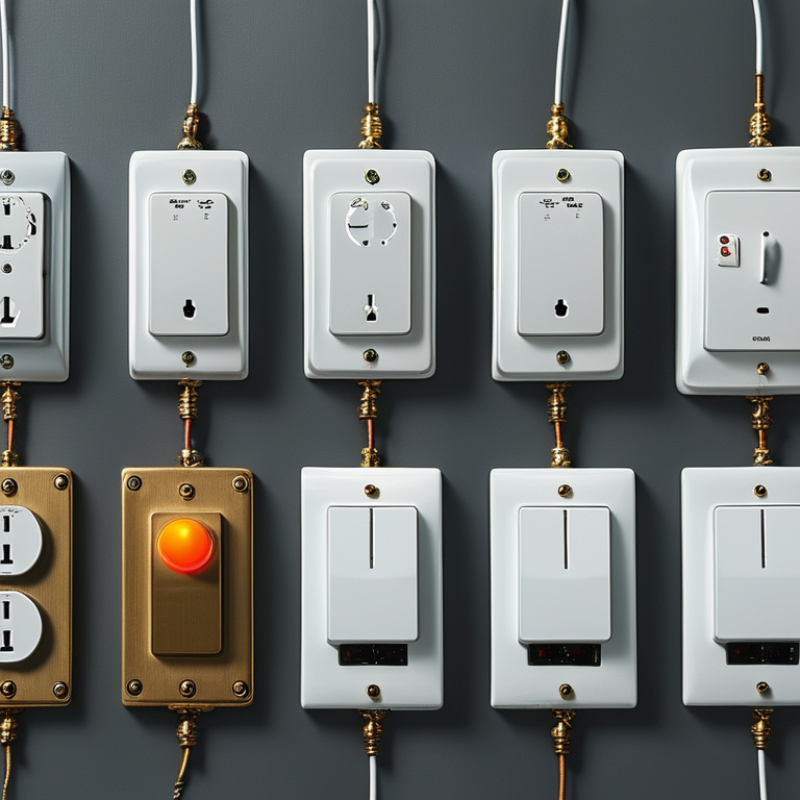
There are several switch types available, including toggle, rocker, and dimmer switches. Toggle switches are common and easy to use, while rocker switches provide modern aesthetics. Dimmers, on the other hand, allow users to adjust brightness, enhancing ambiance. Recent surveys indicate that over 40% of homeowners prefer dimmer switches for their versatility.
When selecting a switch, consider the voltage rating. Ensure it matches your home’s electrical system. Poor voltage compatibility can lead to malfunctions. Evaluate the installation process as well. Some switches require advanced knowledge, complicating installation. Accessibility can also vary based on switch type, which may influence your decision.
Choosing a switch should reflect your lifestyle needs. Think about how frequently you will use it. Decisions should be made with both practicality and design in mind. Always consult with an electrical professional if unsure, as safety is paramount.
| Switch Type | Application | Advantages | Disadvantages |
|---|---|---|---|
| Toggle Switch | General purpose lighting | Simple to operate, widely available | Bulky in size, can wear out over time |
| Rocker Switch | Light switches | Sleek design, easy to use | Limited tactile feedback |
| Dimmer Switch | Lighting control | Adjustable brightness, energy saving | More complex installation, compatibility issues |
| Smart Switch | Home automation | Remote control, programmable settings | Higher cost, requires internet connection |
| Three-Way Switch | Multi-location control | Convenience for large spaces | Complex wiring needed |
When choosing an electrical switch, understanding your specific electrical needs is essential. Different switches support varying loads, and proper load assessment is crucial for safety and efficiency. According to the National Electrical Manufacturers Association, a standard residential switch typically handles up to 15-20 amps. Knowing your home appliances' combined wattage helps determine the required amperage.
Consider these factors: the type of devices being connected, total load capacity, and circuit compatibility. For instance, LED lights often require different switches than traditional incandescent bulbs. The American Wire Gauge (AWG) standard provides guidelines on wire thickness and load capacity. Adhering to these standards enhances safety and extends the lifespan of your switches.
Selecting the right switch can influence energy consumption. Some studies suggest that using the proper switch can reduce energy waste by up to 20%. Overloading a switch poses risks, such as overheating and fire hazards. Identify potential issues early to ensure reliable operation.
Assessing your needs is not just about current usage. Anticipate future electrical demands. As technology evolves, smart devices may require advanced switches. Hence, evaluate your long-term needs when making a choice.
Choosing the right electrical switch involves both aesthetic and functional considerations. The finish and style of the switch should complement your decor. Modern designs might work well in contemporary homes. However, vintage styles can enhance classic interiors. It’s essential to keep your overall theme in mind when selecting a switch.
Functionality is equally important. Consider your needs, such as the number of switches and their locations. For instance, dimmer switches offer flexibility in lighting. They can create ambiance in living rooms or dining areas. Smart switches can add convenience. They allow you to control lights via mobile devices. However, not all homes may require these advanced options.
Reflect on the practical aspects of your choices. Test how the switch feels in hand and how it operates. It’s crucial to ensure it meets safety standards. Sometimes, the most attractive switch may not be the best choice for durability. Take your time to evaluate these factors. A well-chosen switch should enhance both usability and the beauty of your space.
Choosing the right electrical switch involves understanding safety features and ratings. Safety is paramount in electrical installations. Most industry reports suggest a significant percentage of electrical failures stem from faulty switches. It’s crucial to look for switches with proper certifications from recognized safety organizations. Check for UL or IEC ratings, which indicate compliance with safety standards. This ensures reliability and reduces the risk of electrical hazards.
When assessing safety ratings, consider the environment in which the switch will operate. For instance, moisture-prone areas require switches with weatherproof ratings. A switch rated for wet locations can prevent electrical shock and failures. According to the National Electrical Code, using the right switch for a specific application can prevent up to 80% of electrical accidents.
Many consumers overlook the importance of amperage and voltage ratings. These metrics indicate the switch's capacity and are vital for preventing overheating. Misusing a switch beyond its rated capacity can lead to dangerous situations. It's advisable to consult with a qualified electrician to evaluate your needs. This can help you avoid installing a switch that may not be suited for your specific application.
Choosing the right electrical switch requires understanding installation needs. Each type of switch has unique specifications. For example, a dimmer switch often needs a neutral wire, while a simple toggle switch typically does not. Knowing your home’s wiring is crucial. If you are unsure, consult an electrician. They can help assess what fits your existing setup.
Maintenance is another key factor. Some switches require regular tightening of screws and dusting for optimal performance. Others may need occasional lubrication. Ignoring these tasks can lead to malfunction. Over time, wear and tear might make even reliable switches falter. It's always wise to inspect switches regularly and replace any that show signs of damage. If you notice flickering lights, it may signal a switch issue.
Ultimately, choosing a switch aligns with both installation and upkeep. Small details matter greatly. Understand your requirements and the limits of your electrical system. This knowledge can prevent future headaches and ensure safety. A lack of attention during installation or maintenance can lead to bigger problems down the line.