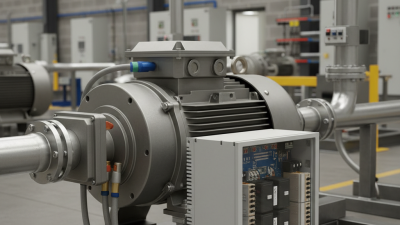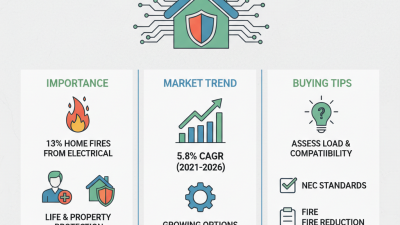
Choosing the right motor contactor is crucial for efficient electrical systems. According to a recent report by the International Electrotechnical Commission, over 30% of industrial motor failures are linked to improper contactor selection. This statistic highlights the importance of making informed choices in this area.
Expert David Johnson, a leading authority in electrical engineering, emphasizes, "The right motor contactor can significantly reduce energy consumption and enhance system reliability." This insight reflects the critical role of motor contactors in performance optimization. Selecting a motor contactor requires an understanding of your specific needs, load requirements, and operational environment.
Inadequate knowledge can lead to costly mistakes. For instance, using an undersized contactor can result in overheating, while an oversized one may lead to unnecessary energy use. Awareness of these pitfalls is essential. Engineers and technicians must prioritize diligence in their choices, considering both the immediate and long-term implications of their motor contactor selection.
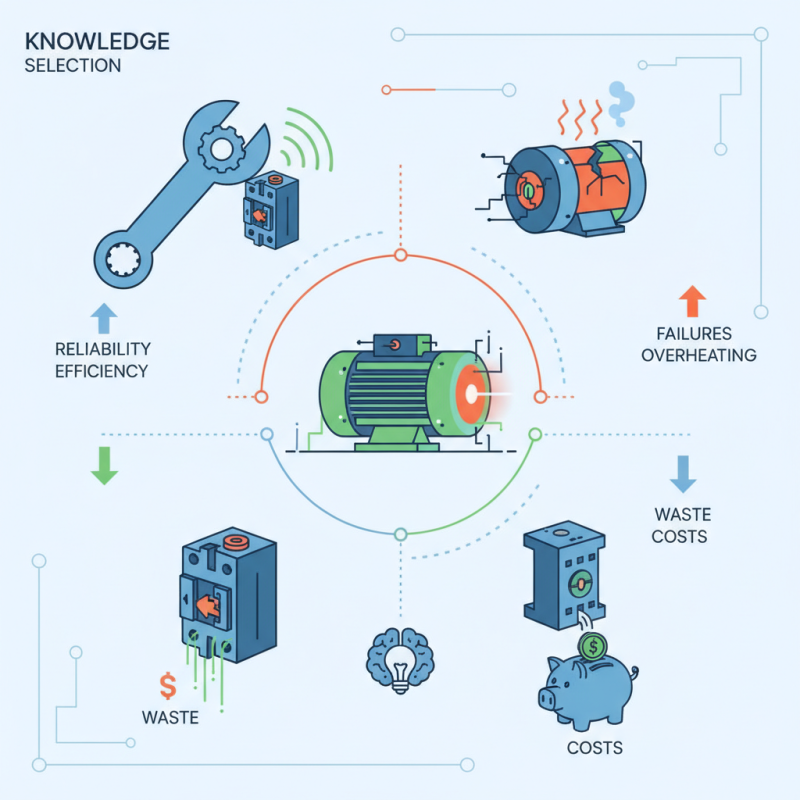
Motor contactors are essential components in electrical systems. They act as switches that control the power flow to motors and other devices. Understanding motor contactors is crucial for any electrical project. A motor contactor typically consists of an electromagnetic coil and a set of contacts.
When selecting a motor contractor, consider the operating voltage and current ratings. Ensure the contactor can handle the load your motor requires. It’s also vital to check the contact configuration. Different configurations suit different applications. For instance, normally open (NO) contacts are common for starting motors.
Tips: Always factor in environmental conditions. Dust and moisture can affect performance. Select contactors designed for harsh conditions if required. Also, review safety ratings. Overlooking safety features can lead to equipment damage.
Another point to consider is the size and installation space. Some contactors can be bulky. This could pose installation challenges. Think about future maintenance as well. Accessibility is key to ensure ease of servicing. Reflect on these details before making a choice.
Selecting the right motor contactor is crucial for efficiency and safety. A motor contactor connects and disconnects power to electrical motors. Factors to consider include voltage ratings, current carrying capacity, and application specifics. According to industry studies, improper sizing can lead to a reduction in equipment lifespan. This highlights the need for careful analysis during the selection process.
Next, environmental conditions play a significant role. For example, moisture and dust can cause failures. Research indicates that over 30% of contactor failures are due to environmental factors. Consider the installation location. Indoor and outdoor use requires different ratings and protective measures. Ignoring this can lead to significant downtime and increased costs.
Lastly, the type of load affects choice. Inductive loads behave differently than resistive loads. Using the wrong contactor can result in overheating. Reports show that 12% of equipment failures stem from inappropriate load handling. This reinforces the importance of understanding application requirements before finalizing a decision.
When selecting a motor contactor, understanding its types and applications is essential. There are several kinds of motor contactors, including AC and DC contactors. AC contactors are commonly used in diverse industrial settings. They are ideal for controlling single or three-phase motors. On the other hand, DC contactors suit applications in automotive or renewable energy systems.
Understanding the specifications is crucial. For instance, some contactors have ratings for different voltage levels. Choosing the wrong voltage level can lead to unexpected failures. Over time, you might witness reduced efficiency or premature wear. Additionally, the contactor's coil voltage also matters. A mismatch can result in operational issues that are hard to trace.
Consider the application environment, too. Certain contactors are better for high-frequency operations. Others may handle harsher conditions, like extreme temperatures or moisture. Not all contactors can withstand these. This limitation can affect performance significantly. It's vital to analyze specific needs and avoid assumptions. Sometimes, the simplest choice isn't the best choice.
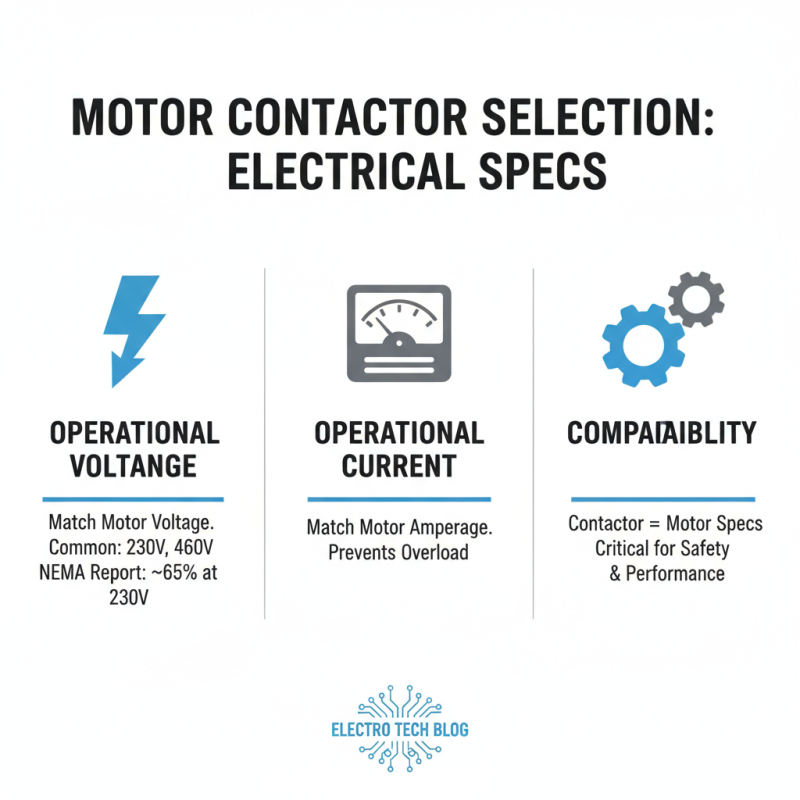
When selecting a motor contactor, understanding its electrical specifications is crucial. Motor contactors must match the operational voltage and current of the motor they control. Typical industrial motors operate at 230V or 460V, but variations exist. For example, a report by the National Electrical Manufacturers Association (NEMA) indicates that around 65% of motors use 230V.
Current ratings vary too. Most contactors are rated for 10A to 400A, accommodating a wide range of motors. Improper ratings can lead to equipment failures or inefficiencies. Over-specified contactors can be costly and inefficient. Under-specified ones may fail unexpectedly.
Consider the coil voltage as well. Standard voltages are often 24V, 120V, or 240V. A mismatch can prevent proper operation or lead to short circuits. It's important to assess these specifications carefully. Misalignment in ratings is a common oversight that can result in downtime. Regular audits of equipment specifications can mitigate these risks and ensure longevity.
Selecting the right motor contactor can be challenging. One common mistake is overlooking the contactor's ratings. Many people choose a contactor based solely on voltage. However, the current rating is equally crucial. According to industry reports, improper current ratings can lead to overheating. This can damage both the contactor and the motor.
Another pitfall is ignoring the environmental conditions. High humidity or extreme temperatures can affect performance. Research shows that 30% of electrical failures are due to environmental factors. Selecting a contactor that can withstand these conditions is essential for longevity.
Additionally, some often forget to consider the application type. Different applications may require specific contactor features. Using a general-purpose contactor may lead to inefficiencies. In fact, around 25% of failures stem from this oversight. Always evaluate the specific needs before making a choice. Small details can lead to significant impacts.