How to Choose the Right Ntc Type Temperature Sensor?
Choosing the right Ntc Type Temperature Sensor is crucial for various applications. Its accuracy can greatly influence performance. Many industries, like HVAC and automotive, rely on precise temperature readings. However, selecting the wrong sensor can lead to costly errors.
When evaluating Ntc Type Temperature Sensors, consider their resistance characteristics and operating range. Each sensor type offers unique features. A deeper understanding of these differences can enhance decision-making. Many people overlook factors such as response time and environmental compatibility.
Undeniably, not every Ntc Type Temperature Sensor works in every situation. For instance, high humidity can affect some sensors. This calls for careful analysis and testing. A reliable sensor will ensure that systems operate efficiently, preventing unexpected failures. Therefore, doing thorough research and considering expert recommendations is essential to make an informed choice.
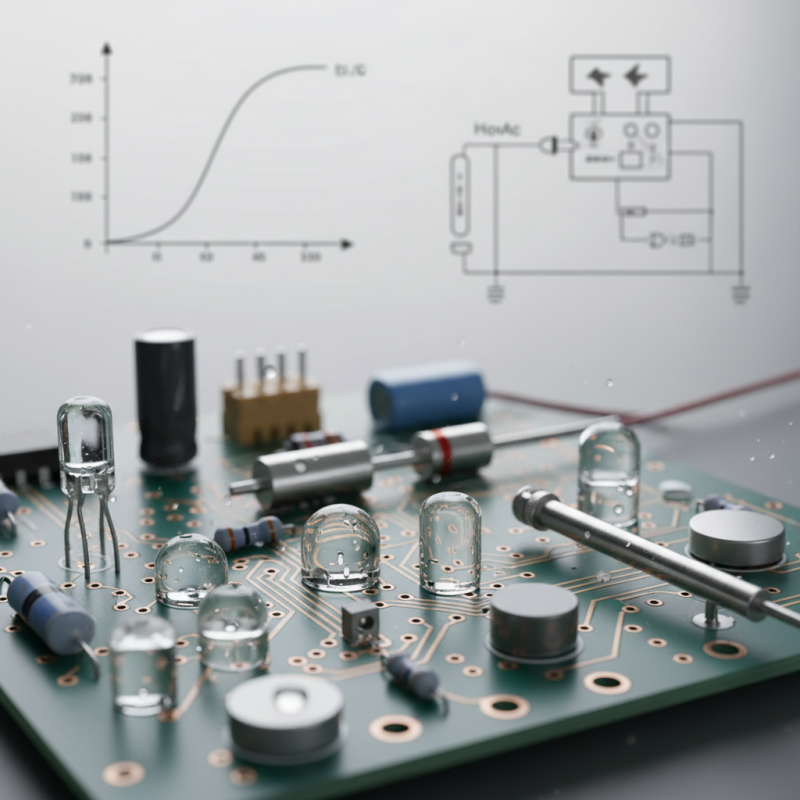
Understanding NTC Temperature Sensors and Their Applications
NTC (Negative Temperature Coefficient) temperature sensors are widely used in various applications due to their accuracy and reliability. These sensors exhibit a decrease in resistance as temperature rises. This property makes them suitable for measuring and controlling temperature in HVAC systems, automotive applications, and home appliances. NTC sensors can also be found in medical devices. Their capability of providing precise readings helps in maintaining optimal operation conditions.
Understanding the right application for NTC sensors is crucial. For example, in a heating system, accurate temperature readings ensure efficient energy use. However, issues can arise if the sensor's range is not suited to the environment. If temperatures exceed the sensor's limits, it may yield incorrect readings. Careful selection based on operating range is essential.
Moreover, while NTC sensors are generally reliable, factors such as aging and environmental stress can affect performance. Regular calibration is necessary to maintain accuracy. It's essential to consider installation locations as well. An improperly placed sensor may lead to misleading results. Having a thorough understanding of these nuances ensures you choose the best sensor for your needs.
Key Factors to Consider When Selecting NTC Temperature Sensors
When selecting NTC type temperature sensors, several key factors come into play. First, consider the temperature range. NTC sensors are typically effective within a specific range. Choose a sensor that matches your target environment. Common ranges include -40°C to 125°C. A mismatch may lead to inaccurate readings and system failures.
Another important aspect is sensitivity. NTC sensors exhibit varying degrees of sensitivity. Lower resistance values generally indicate higher sensitivity to temperature changes. If precision is paramount for your application, select a sensor with a steeper resistance-temperature curve. Data from the International Journal of Temperature Measurement indicates that the sensitivity can vary by up to 10% in some models.
**Tip:** Evaluate long-term stability and drift. Analyze the sensor's specifications to understand how it performs over time. Poor stability could result in unreliable data.
Another factor is the response time. Quick response times are vital in dynamic applications. For instance, a sensor with a response time of less than 5 seconds would be better suited for rapid temperature fluctuations. Ensure that your chosen sensor can respond adequately to the measured environment.
**Tip:** Don’t overlook power requirements. Sensors consume different amounts of power, affecting overall efficiency. Consider this aspect when deploying them in battery-operated devices.
How to Choose the Right Ntc Type Temperature Sensor? - Key Factors to Consider When Selecting NTC Temperature Sensors
| Factor | Description | Considerations |
| Temperature Range | The minimum and maximum temperatures the sensor can withstand. | Ensure the sensor operates within your application’s temperature conditions. |
| Resistance at 25°C | The sensor's resistance value at 25°C, commonly in kilo-ohms. | Choose a resistance that is suitable for your circuit requirements. |
| B-value | The parameter that indicates the sensitivity of the sensor to temperature changes. | A higher B-value results in greater sensitivity. |
| Package Type | The physical configuration of the sensor. | Consider space availability and mounting options in your design. |
| Response Time | The time it takes for the sensor to respond to a temperature change. | Choose based on the speed required for your application. |
| Accuracy | The degree to which the sensor's readings reflect the actual temperature. | Select a sensor with sufficient accuracy for your measurement needs. |
Comparison of Different NTC Sensor Types and Specifications
When choosing an NTC temperature sensor, understanding the various types and specifications is crucial. Thermistors are common options. They offer high sensitivity and response speed. However, they can be less stable at extreme temperatures. This volatility can affect measurement accuracy.
Another aspect to consider is the resistance value at 25°C. Different sensors have differing resistance values. Lower resistance sensors might be suitable for low-temperature applications, while higher values can handle more challenging conditions. It's vital to match these specifications to your project's needs.
A challenge arises in selection. Many users may overlook the sensor's voltage characteristics. Some sensors require a specific voltage for accurate readings. Failing to account for this could lead to performance issues. Understanding these parameters is essential for effective application.
Installation and Calibration Guidelines for NTC Temperature Sensors
When installing NTC temperature sensors, accuracy and reliability are paramount. Start by choosing a proper location for the sensor. It should minimize exposure to external heat sources. Ensure the sensor is placed in a thermally stable environment. This helps in maintaining correct readings.
Calibration is a key step in using NTC sensors effectively. Use a known temperature source to calibrate the sensor. This could be an ice bath or boiling water. Document the readings carefully. Small discrepancies can lead to significant measurement errors. Regular calibration checks should be part of your routine.
**Tips:** Always introduce a buffer zone around the sensor area. This reduces interference from other elements. Check connections for any signs of wear or corrosion. Taking simple steps can extend the lifespan of your sensor.
Common Challenges and Solutions in Using NTC Temperature Sensors
When utilizing NTC thermistors, several challenges can arise, impacting their performance and reliability. One common issue is non-linearity in output. Unlike other sensors, NTC temperature sensors do not provide a linear output across all temperature ranges. As reported by industry studies, up to 25% of applications may experience significant non-linearity if not properly calibrated. This can lead to measurement errors, especially in sensitive environments like medical applications and HVAC systems.
Another challenge is environmental sensitivity. NTC sensors can be affected by humidity and vibrations. A research study indicated that exposure to high humidity could degrade the sensor's response time by 15%. Solutions must consider protective coatings or housing to mitigate these effects. To maintain reliability, frequent recalibration is also crucial, as environmental factors can shift the sensor's performance over time. This need for consistent re-evaluation adds complexity to using these sensors, demanding awareness and proactive management.
Manufacturers need to educate users about proper installation techniques. Poor mounting could lead to thermal lag, causing delays in response time. Data suggests that up to 30% of temperature measurement errors stem from improper sensor placement. Users must be vigilant, ensuring that each sensor is positioned for optimal exposure to the medium being measured. Addressing these challenges head-on can enhance the overall performance and accuracy of NTC temperature sensors.
NTC Temperature Sensor Performance Comparison