
Choosing the right Condensate Drain Pump is essential for HVAC systems. Expert John Smith, a leading consultant in the field, once stated, "The right pump can make all the difference in efficiency." Understanding the nuances of condensate drain pumps can prevent operational issues in your heating and cooling systems.
A condensate drain pump removes excess water produced by HVAC systems. Selecting the suitable model depends on factors like capacity, head height, and application type. Each situation may demand specific features. An inappropriate choice can lead to failures and increased maintenance costs, reminding us to consider every detail.
Many face challenges in identifying the right condensate drain pump. It's vital to assess your system's needs carefully. Remember, the wrong pump choice might spoil years of efficiency. Take time to explore options and consult with experts to guide your decision. The perfect pump is out there, awaiting your discovery.
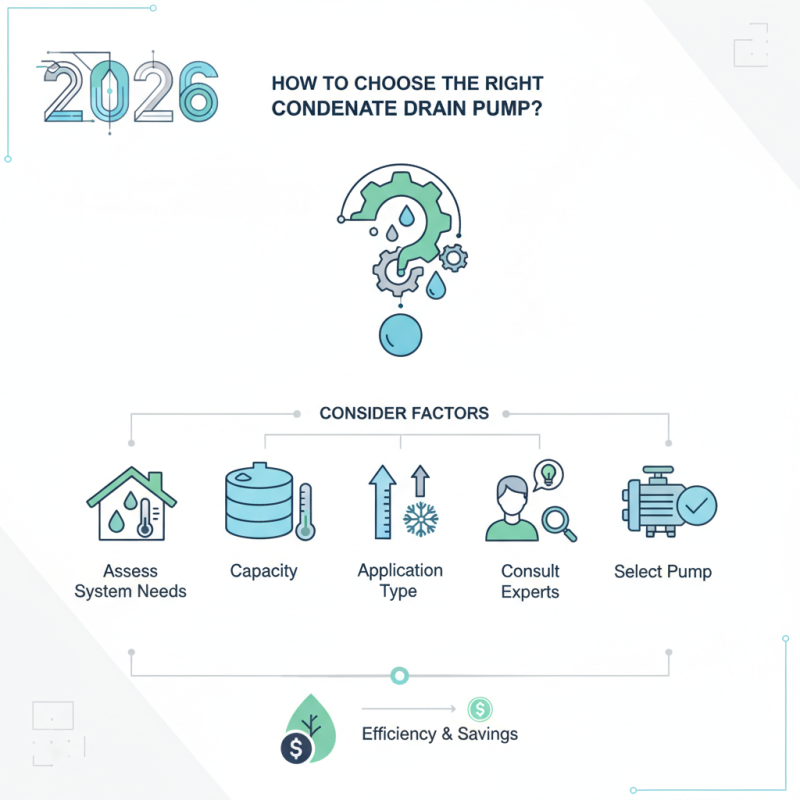
Choosing the right condensate drain pump requires understanding several critical factors. The pump's power and capacity are key. You must determine the volume of condensate produced. Consider the height to which the pump must lift water. A pump with insufficient lift can lead to failure. Always check the specifications carefully.
Next, assess the pump's durability. Look for features like corrosion resistance and quality materials. A durable pump ensures longevity and reduces maintenance costs. Not all pumps are created equal. Some may break down sooner than expected. User reviews can provide insight into real-world performance.
Finally, noise levels matter. Some pumps run quietly while others can be disruptive. Consider the installation environment. A loud pump can become problematic in residential areas. Pay attention to installation requirements as well. A complicated installation process can lead to mistakes. Reflect on these factors to make an informed choice.
When selecting a condensate drain pump, it's crucial to understand the different types available. Each type serves unique needs. For instance, a submersible pump is ideal for residential settings. This design allows it to operate underwater, efficiently removing condensate from air conditioning systems. The quiet operation is a plus for homes where noise matters.
In contrast, a non-submersible or exterior pump system works for commercial spaces. These pumps handle larger volumes of condensate and can be placed away from the source. Their robust construction offers durability under heavy usage. However, installation may require more effort.
Another option includes portable condensate pumps. These are versatile and convenient, perfect for temporary setups. They are lightweight and easy to transport, yet might lack the capacity of fixed models. Each option has its strengths and weaknesses. Evaluating your specific needs and constraints is essential for effective operation.
When sizing a condensate drain pump, several factors come into play. The pump must efficiently handle the volume of condensate your system produces. Calculate the maximum condensate flow rate in gallons per minute (GPM) to understand your needs. This figure helps ensure the pump operates effectively without being overworked. Such calculations can be challenging, especially if your systems have varying moisture levels. Carefully consider the specifications before making a purchase.
Next, assess the lift height the pump needs to achieve. This is the vertical distance the condensate must travel to reach the discharge point. A higher lift means you need a pump with greater power. Sometimes, people underestimate this requirement, leading to pump failure or inefficient operation. It is crucial to do a detailed assessment of the available space. Choosing a pump designed for your specific conditions is essential for reliability and longevity.
It’s also wise to factor in the type of application. Is it for residential or commercial use? Different environments can affect the size and selection of the pump. Residential setups might need smaller, quieter pumps. In contrast, commercial applications often require robust pumps capable of handling larger volumes. Recognizing these subtle differences can inform a more informed decision, ensuring you invest in a pump that truly meets your needs.
| Pumping Capacity (GPH) | Pump Height (Feet) | Tank Size (Gallons) | Power Requirements (Volts) | Recommended Applications |
|---|---|---|---|---|
| 20 GPH | 15 ft | 1 Gal | 115V | Residential HVAC Systems |
| 30 GPH | 20 ft | 2 Gal | 115V | Commercial HVAC Systems |
| 50 GPH | 25 ft | 3 Gal | 230V | Industrial Applications |
| 100 GPH | 40 ft | 5 Gal | 230V | Large Scale HVAC Systems |
When selecting a condensate drain pump, certain key features can significantly influence performance. Look for the pump's capacity to handle the volume of water produced by your cooling system. An adequately sized pump will prevent potential overflows and extend its lifespan. Pay attention to its lift capability as well; a pump that cannot adequately lift water may cause inefficiencies.
Noise levels can also impact your environment. Select a model known for quiet operation, especially if it will be installed in a living or working area. Additionally, consider the durability of the materials used. A well-constructed pump can endure wear and tear over time, reducing the need for frequent replacements.
Another aspect to keep in mind is ease of installation and maintenance. Some pumps come with user-friendly designs and accessible parts, simplifying repairs or servicing. Check if the pump has a backup system to avoid failures during peak use. While finding the perfect pump may be challenging, prioritizing these features will lead to better choices.
Regular maintenance of your condensate drain pump is crucial for optimal performance. Data from industry reports indicate that nearly 30% of pump failures stem from inadequate maintenance. Checking the pump’s internal components at least once a year can prevent most issues. Inspect the float switch and ensure it moves freely without obstruction. Dirt and debris can cause operational failures if ignored.
Cleaning the pump and its surrounding area is essential. A study by the American Society of Mechanical Engineers (ASME) suggests that regular cleaning reduces energy consumption by 15%. This practice not only prolongs the pump’s life but also enhances its efficiency. Ensure that the inlet and outlet ports are clear from obstructions. Schedule periodic checks of seals and gaskets to avoid leaks.
It's important to reflect on common mistakes during maintenance. Many ignore the water level in the reservoir. If the water is allowed to build up excessively, it can lead to premature wear. Monitoring the operation cycle of the pump helps in identifying irregularities early. Keep a maintenance log to track issues and resolutions, as this will help in making informed decisions about the pump's future needs.