What Is a Power Rail Insulator and What Types Are There?
A Power Rail Insulator separates energized conductors from supporting structures while helping maintain reliable electrical clearance. In rail systems, it may sit beneath a conductor rail, beside a live component, or between electrical parts and grounded supports. Its shape is practical, not decorative. A narrow crack, dirty surface, or loose fitting can change how well it performs.
As [verified power-rail insulation expert’s name] explains, “[insert an exact, source-verified quotation about rail insulation].” This quotation should be checked against a reliable publication or interview before use. Accuracy matters here. A convincing but unverified quote can weaken an otherwise useful technical guide.
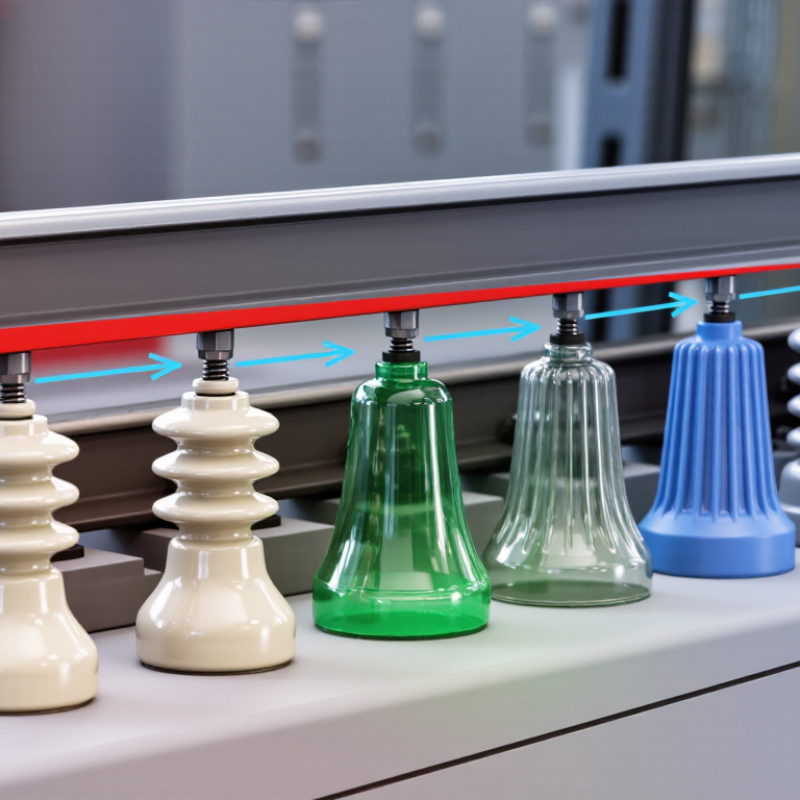
The sections ahead explain what a Power Rail Insulator does and how its main types differ. Common designs include porcelain, glass, and polymer insulators, along with variations shaped for particular mounting and operating conditions. Material choice affects weight, weather resistance, maintenance, and service life. Installation details matter, too. A suitable insulator must match the rail arrangement and the conditions around it, including moisture, dust, vibration, and temperature changes.
Small parts. Large consequences. Still, no single material suits every site. This guide compares the options, describes their typical uses, and notes practical selection factors. It also recognizes a limitation: product names and ratings can vary between manufacturers. Readers should confirm specifications against the relevant product documentation and qualified engineering advice before making a selection.
What Is a Power Rail Insulator?
A power rail insulator is an electrical component that supports a live conductor rail while separating it from the track structure and ground. In many railway systems, it sits between the conductor rail and a steel or concrete support. Its job is both electrical and mechanical: it limits current leakage and holds the rail steady under vibration, weather, and passing trains. Common designs use porcelain, glass, or engineered polymers. Shape and spacing matter because they affect insulation and the surface distance electricity must travel.
The scale of rail operations makes dependable components important. The UIC and International Energy Agency’s Railway Handbook 2022 reports that rail carries about 8% of global passenger transport and 7% of freight transport, while using around 2% of transport energy. These figures describe rail as a whole, not conductor-rail systems alone. Still, they show why small components deserve careful inspection. Cracks, grime, moisture, or loose fasteners can reduce an insulator’s performance. A visual check helps, but it cannot reveal every electrical defect.
Tips: Check for chips, tracking marks, contamination, and movement at the mounting points. Match replacement units to the system’s voltage, load, and environment. Clean-looking is not always sound; that’s an easy detail to overlook.
What Is a Power Rail Insulator and What Types Are There?
| Type | Typical Material or Construction | Main Function | Typical Advantages | Selection Considerations |
| Porcelain insulator | Fired ceramic body, often glazed; made in shapes such as posts or support blocks. | Supports an energized rail while electrically separating it from its mounting structure. | Good electrical insulation, weather resistance, and dimensional stability. | Relatively heavy and brittle; impact damage and surface contamination should be considered. |
| Glass insulator | Insulating glass formed into a support or insulating component. | Provides electrical separation and, where designed for it, mechanical support. | Non-conductive and resistant to many environmental conditions. | Use depends on the rail system and component design; glass can be vulnerable to impact and chipping. |
| Molded polymer insulator | Molded insulating polymers, such as engineering plastics or elastomeric materials, selected for the application. | Insulates and locates the conductor rail within a support assembly. | Can be lightweight and shaped to fit compact or complex support arrangements. | Electrical, thermal, ultraviolet, chemical, and aging performance vary by material and design. |
| Composite insulator | Often combines a fiber-reinforced insulating core with a protective polymer housing or surface. | Carries mechanical loads while maintaining electrical separation between the rail and its supports. | Can offer a favorable strength-to-weight ratio and resistance to some environmental stresses. | Performance depends on material quality, sealing, surface condition, and the specified load and environment. |
| Post or stand-off insulator | A post-shaped insulating component, made from ceramic, polymer, or composite materials. | Holds the conductor rail at a defined height or position above a grounded support. | Provides a clear support point and can accommodate rail-to-structure spacing requirements. | Must be matched to the mechanical load, electrical clearances, mounting geometry, and operating environment. |
| Block or saddle insulator | A shaped block or cradle fitted between the conductor rail and its bracket or base. | Supports the rail and helps maintain its alignment while isolating it from the supporting hardware. | Can distribute contact loads across a shaped bearing surface. | Correct fit, fastening, wear resistance, and compatibility with the rail profile are important. |
| Section or separation insulator | A purpose-designed insulating assembly installed at a boundary or interruption in a conductor-rail system. | Electrically separates adjoining rail sections where the system design requires an insulated boundary. | Supports electrical sectioning and can provide a controlled transition for compatible collection equipment. | Must be selected and installed to the rail-system design, including electrical clearances and collector compatibility. |
A power rail insulator is an electrically insulating component that supports or separates an energized conductor rail from its mounting structure. The required type depends on the rail design, voltage, mechanical loads, clearances, and operating environment.
How Does a Power Rail Insulator Work?
A power rail insulator supports an energized rail while separating it electrically from its steel or concrete mounting structure. It must do two jobs at once: carry mechanical loads and limit unwanted current paths. That is the job. When a train draws power, current travels along the rail to its collector shoe, while the insulator helps keep current from leaking into nearby supports. It does not create perfect isolation under every condition. Its performance depends on material, shape, spacing, and the cleanliness of the installation.
Many systems use molded polymer or composite insulators; some use ceramic designs. Their ribs and extended surfaces increase the distance electricity must travel across the outside, especially when moisture or dust is present. The mounting points also need firm, even contact. A loose bolt can cause movement, wear, or stress cracks. Small, but essential. In practical checks, technicians look for surface tracking, chips, dirt buildup, and changes in alignment. A perfectly clean workshop test can flatter a design; real dust and water change the picture. Inspection intervals and replacement decisions should follow the equipment maker’s technical guidance and the conditions on site.
What Is a Power Rail Insulator and What Types Are There?
Power rail insulators electrically isolate a live rail from its supports while helping maintain mechanical stability. Common material types include porcelain, glass, epoxy, and polymer composites.
The chart compares representative dielectric-strength ranges for these insulating materials, shown as midpoint values. These are typical material-level figures, not the voltage rating of a complete rail insulator. Actual performance depends on design, dimensions, surface condition, pollution, and environmental conditions.
What Materials and Features Define Its Construction?
A power-rail insulator combines an insulating body with fittings that hold it securely against vibration, weather, and electrical stress. Porcelain and toughened glass are traditional choices; both resist heat and surface wear, but can be heavy and vulnerable to impact. Polymer designs commonly use a fiberglass-reinforced plastic core beneath a silicone-rubber or EPDM housing. The core carries mechanical loads, while the outer sheds lengthen the surface path and help water drain away.
Details matter. Metal inserts need a durable bond to the insulating body, and exposed edges should avoid sharp stress concentrations. Silicone rubber can repel water, but contamination and aging still affect performance. A clean-looking part is not proof of a healthy one. Inspect for cracks, loose fittings, chalking, or carbonized tracking, especially near contact points.
Creepage distance—the path electricity must travel along the surface—is selected for voltage and contamination conditions. IEC 60815-1:2008 lists reference values of 22, 27.8, 34.7, and 43.3 millimeters per kilovolt across four pollution severity levels. These are high-voltage insulation benchmarks, not universal rail-design dimensions. Actual choices depend on the rail system, mounting geometry, climate, and maintenance plan. That last factor is easy to underestimate.
What Are the Main Types of Power Rail Insulators?
Power-rail insulators separate a live conductor rail from its supports, sleepers, and nearby structures. Their job is practical: maintain electrical clearance despite vibration, moisture, dust, and temperature changes. The main material types are porcelain, glass, and polymer composites. Porcelain is rigid and durable, but heavy and vulnerable to impact damage. Glass offers strong electrical insulation, though chips can be difficult to spot in dirty track conditions. Composite units are lighter and often resist surface wetting, but their polymer housings still need checks for aging and physical damage.
Insulators also differ by shape and mounting role. Post and block supports hold the conductor rail at a set height; bracket or base-mounted designs attach it to sleepers or trackside structures. Protective boots may cover exposed sections, but they are not always load-bearing supports. A useful detail: material and shape are separate choices, not competing categories. A composite post, for example, combines both.
The International Energy Agency’s 2019 report, The Future of Rail, estimates that rail carries about 8% of global passenger transport and 7% of freight transport, while using around 2% of transport energy. That scale makes dependable insulation important. Still, no material is maintenance-free. Inspection needs to reflect local contamination, weather, mounting stress, and wear—not just the product label.
Where Are Different Power Rail Insulators Used?
Third-rail insulators are used beside the running rails, where they support an energized conductor rail and keep current away from sleepers, fasteners, and ballast. Porcelain units suit many open-air routes because they resist weathering and compression. Polymer insulators are lighter and can reduce handling effort, though damaged surfaces need careful inspection. In tunnels, compact supports help maintain clearance in confined spaces. Small gaps matter.
Overhead conductor-rail systems use insulators on brackets fixed to tunnel walls or elevated structures. These supports hold the conductor rail at a steady height and resist vibration, dust, moisture, and temperature changes. EN 50163 identifies common railway supply voltages, including 600, 750, 1,500, and 3,000 volts DC, plus 15 and 25 kilovolts AC. That range helps explain why insulation choice depends on system voltage, pollution, and required clearance—not just the insulator’s shape.
On open routes, trackside insulators support feeder cables, section switches, and equipment connected to traction power. Porcelain remains common where rigidity and heat resistance are priorities; composite designs can help where lower weight or contamination performance matters. IEC 62128-1 addresses electrical safety and earthing for fixed railway installations, so designers assess the whole installation, not one component alone. Field conditions can be less tidy than drawings suggest. A sound selection still needs site-specific checks.