
Top Reasons to Choose Deep Well Submersible Pump for Your Needs?

When it comes to choosing a water pump, a Deep Well Submersible Pump stands out. These pumps are designed for deep well applications. They efficiently lift water from significant depths and cater to various needs. Their robust design allows for reliable operation in challenging environments.

Selecting the right pump can be overwhelming. Many factors come into play, such as depth, volume, and power source. A Deep Well Submersible Pump addresses these variables effectively, offering versatility. Users benefit from consistent water supply, especially in remote locations.

Understanding the advantages of these pumps is essential. They promote energy efficiency and reduce noise during operation. Investing in a Deep Well Submersible Pump can lead to long-term savings. However, it's crucial to consider maintenance needs and installation costs. Proper assessment ensures you make the right decision for your water supply needs.
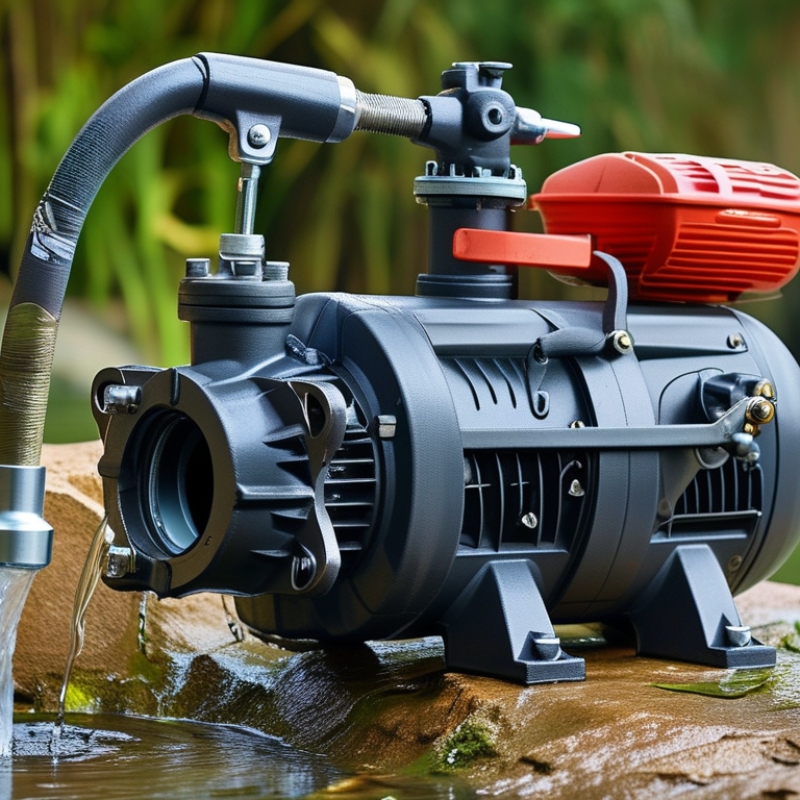
Top Reasons to Choose Deep Well Submersible Pump for Your Needs?

Advantages of Deep Well Submersible Pumps in Water Extraction

Deep well submersible pumps are vital for effective water extraction. These pumps operate deep underground, ensuring a reliable water supply for various needs. Their design allows them to function submerged, reducing the risk of cavitation. This feature helps maintain efficiency, even in challenging conditions.

One notable advantage is their energy efficiency. Deep well submersible pumps often consume less power than other models. This helps reduce your energy costs over time. Moreover, these pumps can handle varying water levels, making them versatile. They work effectively in different settings, from households to agricultural needs.

However, installation can be complex. Proper expertise is necessary to ensure alignment and operational safety. Maintenance is crucial for long-term performance. Regular checks can prevent wear and tear. For some, this may seem daunting, but it is essential. Understanding the pump's components and procedures is important to avoid costly repairs.

Ultimately, deep well submersible pumps balance efficiency and reliability, making them a favorable choice in water extraction.

Key Features of Deep Well Submersible Pumps for Efficiency

Deep well submersible pumps are designed with specific features that enhance their efficiency and functionality. One key aspect is their ability to operate underwater, which allows them to access deep water sources effortlessly. These pumps often utilize multi-stage centrifugal designs, improving lift capability significantly. This means that they can draw water from greater depths compared to traditional pumps.

Energy efficiency is another critical feature. Many deep well submersible pumps incorporate advanced motors that conserve electricity while delivering optimal performance. These motors are often equipped with thermal protection, which prevents overheating and extends the pump’s lifespan. Additionally, the compact design of these pumps enables easy installation in narrow spaces, making them practical for various applications. However, it’s essential to consider the specific needs of your water source and usage to choose the right model.

While deep well submersible pumps offer many advantages, challenges exist. Proper sizing and installation are crucial to avoid operational issues. Miscalculating the pump size can lead to inefficiency or even damage. Regular maintenance is necessary to keep these pumps functioning well, which can be a hassle for some users. Understanding these factors can help make an informed decision about utilizing deep well submersible pumps effectively.

Applications of Deep Well Submersible Pumps in Various Industries

Deep well submersible pumps play a crucial role in various industries. They are commonly used for irrigation in agriculture. A report by the National Agricultural Statistics Service indicates that over 40% of U.S. farms rely on groundwater sources. These pumps efficiently extract water from deep aquifers, providing a consistent supply for crops. This technology boosts yield and supports sustainable farming practices.

In the municipal sector, deep well submersible pumps are vital for supplying drinking water. According to the U.S. Geological Survey, about 13% of the nation’s drinking water supply comes from groundwater. These pumps can operate at significant depths, reaching sources unreachable by other methods. However, they require regular maintenance to ensure reliability and prevent failures.

Industries such as mining also utilize deep well submersible pumps for dewatering operations. Extracting water reduces risks of flooding in mines, maintaining safety standards. According to a study by the Mining Industry Council, efficient dewatering systems can enhance productivity by up to 25%. Though effective, these systems present challenges, including energy consumption and environmental concerns, which necessitate careful planning and monitoring.

Top Reasons to Choose Deep Well Submersible Pump for Your Needs

Application Industry Benefits
Irrigation Agriculture Effective water delivery to crops
Water Supply Municipal Reliable drinking water source
Wastewater Management Environmental Efficient sewage pumping
Groundwater Extraction Mining Reduction of water levels for mining operations
Heating & Cooling HVAC Systems Enhanced energy efficiency

Factors to Consider When Choosing a Deep Well Submersible Pump

When selecting a deep well submersible pump, several crucial factors warrant your attention. The pump's horsepower is essential; it determines how efficiently the pump operates at varying depths. According to industry reports, pumps with 1-3 HP cover most residential needs. Assessing the total dynamic head (TDH) is critical too. This figure reflects the total height the water needs to rise, impacting your pump choice significantly.

Material construction is another crucial consideration. Stainless steel options are often more durable than plastic, especially in corrosive environments. Research shows that pumps made from high-grade materials can last up to 15-20 years. Notably, look for pumps with a good warranty. A well-supported warranty can indicate a manufacturer's confidence in their product and provides peace of mind for your investment.

Tips: Always evaluate your well's depth before selecting a pump. It can save you time and money in the long run. Regular maintenance checks can enhance performance and extend the pump's lifespan. Remember, not all pumps perform the same at varying depths, so testing your water's flow rate might help guide your decision.

Top Reasons to Choose Deep Well Submersible Pump for Your Needs

Maintenance Tips for Longevity of Deep Well Submersible Pumps

Deep well submersible pumps are essential for various applications. Regular maintenance is crucial for their longevity. One important aspect is monitoring the pump's performance. A sudden drop in water output can indicate issues. According to a study by the Water Research Foundation, nearly 30% of pumps fail prematurely due to neglect. This statistic emphasizes the need for proactive checks.

Routine inspections should focus on the electrical components and motor housing. Moisture can lead to electrical failures. It's advisable to regularly clean the pump and remove any debris. Blockages can reduce efficiency. A report from the American Society of Mechanical Engineers highlights that a clean pump can operate up to 20% more efficiently.

Lubrication also plays a critical role in extending the life of these pumps. Many pumps require specific types of lubricants. Using the wrong one may cause damage. Moreover, consider the operating environment. Excessive temperatures or corrosive elements can lead to premature wear. Regular maintenance efforts can save costs in the long run, but many overlook this vital aspect.

Select Electrical Logo
Since 1988

Select Electrical Ltd. © Copyright 1988-2025