
What is reflective workwear and why is it important?

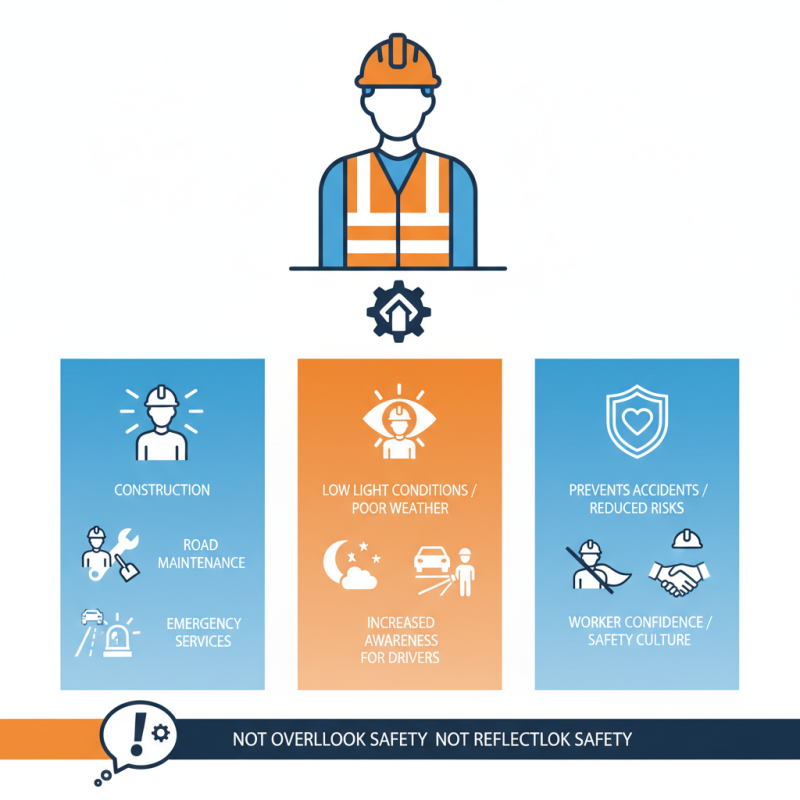
reflective workwear plays a crucial role in various industries. It enhances visibility and safety for workers. Whether in construction, road maintenance, or emergency services, these garments protect against accidents. Bright colors and reflective strips catch light, making workers more noticeable.

In environments with low light, such as nighttime or poor weather, reflective workwear becomes essential. It guards against potential dangers and increases awareness among drivers and others. This type of clothing not only serves a practical purpose but also instills confidence in workers.

However, not every workplace emphasizes the importance of reflective workwear. Some companies overlook this necessity, leading to risks. Workers may feel invincible without proper gear, exposing them to harm. It is vital to recognize the significance of these garments in promoting safety and preventing accidents.
What is reflective workwear and why is it important?

What is Reflective Workwear?

Reflective workwear refers to clothing designed to enhance visibility in various work environments. It usually features bright colors and reflective strips. This type of clothing is crucial for workers in fields like construction, road work, and emergency services. These settings often involve low-light conditions. Therefore, being seen is essential for safety.

Wearing reflective workwear helps prevent accidents. However, it's not just for professionals. Anyone working near traffic or hazardous areas should consider it. The reality is that accidents happen. Even minor missteps can lead to serious consequences. Reflective gear acts as an extra layer of protection.

Tips: Always check for proper fit. Loose clothing can snag on equipment. Ensure that reflective materials are clean and intact. Dirty or damaged gear can lose its effectiveness. Consider layering reflective workwear with other safety gear for optimal protection. This small detail often gets overlooked but can make a significant difference.

Key Features of Reflective Workwear

Reflective workwear plays a critical role in workplace safety. It is designed to enhance visibility in low-light conditions. This feature is vital for workers in construction, roadwork, and other hazardous environments. According to the Occupational Safety and Health Administration (OSHA), visibility can reduce accident rates by up to 50%. Yet, many workers still underestimate the need for proper gear.

Key features of reflective workwear include high-visibility fabrics and strategic placement of reflective strips. These elements ensure that workers are noticeable from various angles. Studies indicate that bright colors, combined with reflective patterns, improve visibility significantly. Some reports suggest that improper fitting can limit effectiveness. Every detail counts in preventing serious accidents. Discomfort or poor design may lead to non-compliance. This reflects a need for better awareness and training around protective apparel.

Ultimately, choosing the right reflective workwear is not just about compliance. It is about creating a safety culture. Employers must prioritize proper gear for their teams. Only then can they truly reduce risks in potentially dangerous environments. Reflecting on these choices can save lives.

The Importance of High Visibility in Various Industries

High visibility workwear plays a crucial role in maintaining safety across various industries. In construction sites, fields, or roadways, workers face significant risks. Research shows that high visibility clothing can reduce the likelihood of accidents by up to 50%. This is vital when working in environments where visibility is limited, especially at dawn, dusk, or during adverse weather conditions.

In sectors like transportation, statistics reveal that nearly 30% of vehicle-related fatalities involve workers outside their vehicles. This underscores the need for reflective workwear. A recent report highlighted that workers wearing high visibility gear are less likely to be involved in accidents. They are easily spotted by drivers and machinery operators. The brighter the clothing, the safer the workforce.

However, not all high visibility gear is created equal. Some designs may lack reflective properties, or the fabric may fade over time. This can lead to dangerous situations. Regular assessments and updates on gear are necessary to ensure effectiveness. Industries must prioritize high visibility to protect workers. Both employees and employers share the responsibility for safety on the job.

Importance of High Visibility Workwear Across Industries

Regulatory Standards for Reflective Workwear

Reflective workwear is essential for safety in various industries. Regulations exist to ensure visibility in hazardous environments. Such standards often dictate the amount of reflective material required on garments. This can prevent accidents and save lives.

Different regions have specific guidelines. For instance, some standards specify the minimum brightness of reflective materials. They set rules for color contrast in workwear, too. Colors used must enhance visibility against different backgrounds. Compliance with these standards is not just a suggestion; it is a necessity.

Unfortunately, many workers overlook these requirements. Some may wear worn-out garments with faded reflectivity. Others might choose to ignore regulations due to cost concerns. This negligence can lead to serious consequences. Employers should provide compliant reflective workwear. Education about the importance of these standards is crucial for everyone.

Selecting the Right Reflective Workwear for Different Work Environments

When selecting reflective workwear, it's crucial to consider the work environment. Visibility needs differ based on the job site. Construction zones, for example, require high-visibility clothing due to moving machinery and poor lighting. According to a report by the Occupational Safety and Health Administration (OSHA), inadequate visibility contributes to over 60% of workplace accidents. Thus, choosing the right gear is not just about compliance; it's about safety.

Material matters too. Reflective strips and bright colors enhance visibility. ANSI/ISEA provides guidelines on the performance of high-visibility apparel. Their data shows that Class 2 and Class 3 garments are essential in low-light situations. However, some workers may find these garments uncomfortable. Poor fit can lead to reduced wearer acceptance. Finding a balance between safety and comfort is key.

Work environments vary significantly. Areas with high traffic demand more reflective elements than remote locations. It's vital to assess individual needs. Some workers may gravitate toward style over function, creating a gap. This could jeopardize safety in critical situations. Regular assessments of workplace risks should drive the decision-making process for selecting reflective workwear.

Select Electrical Logo
Since 1988

Select Electrical Ltd. © Copyright 1988-2025