What Are Roll Down Fire Doors and How Do They Work?
Roll Down Fire Doors are essential safety features in modern buildings. They act as barriers against smoke and flames during a fire, helping to protect lives and property. These doors are designed to roll down quickly when needed, sealing off sections of a building to prevent the spread of fire. Their effectiveness lies in their design and operation.
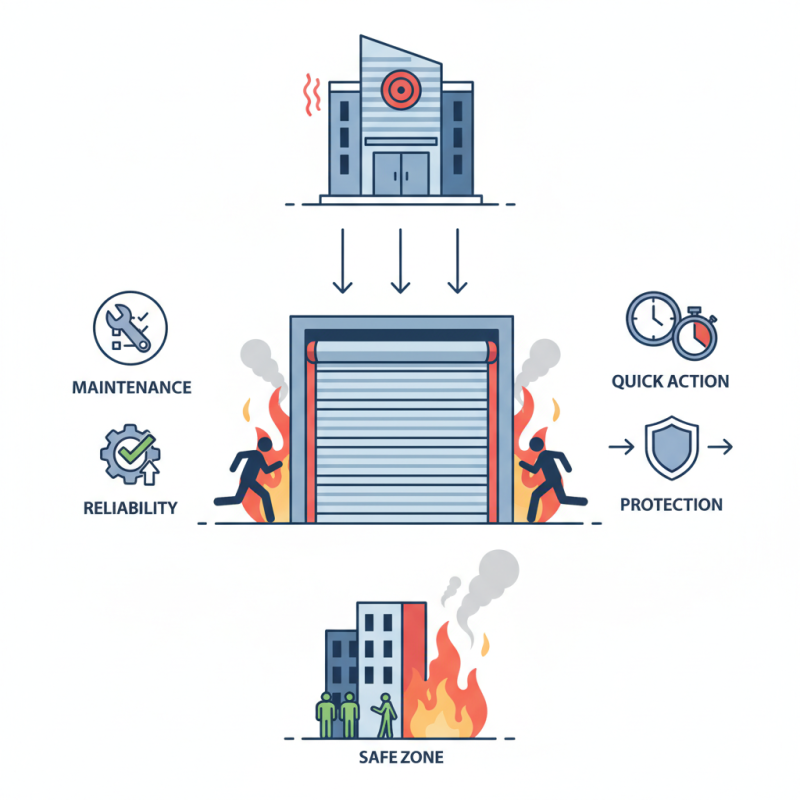
When a fire occurs, Roll Down Fire Doors are triggered by alarms or heat sensors. They descend smoothly, fitting snugly within their frames. Made from durable materials, they can withstand high temperatures. This quick action creates safe zones within the structure, allowing occupants more time to evacuate. However, one must consider their reliability under various conditions.
While Roll Down Fire Doors serve a crucial purpose, regular maintenance is vital. Neglect can lead to malfunction during emergencies. Therefore, inspections should not be overlooked. Properly functioning doors save lives. Reflecting on this, it’s clear that these doors need thoughtful attention to ensure safety.
What Are Roll Down Fire Doors?
Roll down fire doors are essential safety features in many commercial and industrial buildings. They are designed to contain fires and protect property and lives. Typically made of durable materials, these doors descend from a coil housing when activated. This mechanism is crucial during emergencies, as it creates a barrier between different sections of a building. The doors are usually equipped with fire-resistant properties, allowing them to withstand high temperatures for specific durations.
These fire doors operate automatically or manually, depending on the system installed. In an emergency, heat and smoke detectors can trigger their descent, sealing off areas to prevent fire spread. The installation of roll down fire doors can be complex. They must adhere to safety regulations and undergo regular inspections.
Some designs may require maintenance, which can be overlooked, leading to potential failures during emergencies. It's essential to ensure they function properly and comply with the latest safety standards. Overall, roll down fire doors are a critical component of any fire safety plan.
Key Components of Roll Down Fire Doors
Roll down fire doors are critical for safety in various settings. They act as barriers against fire and smoke, protecting property and lives. Understanding their key components is essential for their effective operation.
The
curtain is a primary component. It is made from fire-resistant materials, often steel or composite. During a fire alarm, the curtain descends quickly. This action is powered by a motor or a spring mechanism. The mechanism must be reliable; failure can lead to devastating consequences. Notably, a report by the
National Fire Protection Association indicates that properly maintained fire doors can reduce the spread of fire by about
20%.
Another crucial part is the
sensing system. This detects smoke, heat, or flames. It ensures the door activates in emergencies. However, not all systems are foolproof. Regular testing and maintenance are necessary. According to a
2021 study, nearly
30% of fire doors fail due to lack of inspection. These statistics highlight the importance of care. Even the best materials can fail if neglected.
How Roll Down Fire Doors Operate Mechanically
Roll down fire doors are crucial for fire safety in various facilities. These doors act as barriers against smoke and flames. In an emergency, they automatically descend to protect exit routes. This mechanism allows for quick sealing of compartments within a building, significantly reducing fire spread.
Mechanically, roll down fire doors operate through a combination of gravity and spring tension. The doors are usually held open by a latch or a control system. When activated, a heat sensor triggers the latch to release. This causes the door to roll down smoothly into place, often in a matter of seconds. According to industry reports, these mechanisms can reduce fire damage by up to 70%. Regular maintenance is essential to ensure they function correctly, yet some facilities neglect this aspect.
The installation of such systems has increased in recent years. However, challenges remain regarding user understanding and handling during drills. In some cases, users fail to notice if the door is operational. Furthermore, inadequate training can impact the door's effectiveness during emergencies. It's vital for organizations to regularly assess training programs and door functionality to enhance safety outcomes.
Industry Standards and Codes Governing Fire Doors
Roll down fire doors play a crucial role in fire safety. They operate automatically in case of fire, forming a barrier to limit smoke and flames. Understanding the industry standards governing these fire doors is essential for compliance and safety.
NFPA 80 outlines manufacturing and installation criteria. It ensures that fire doors can withstand flames for at least 20 minutes. The standard also stipulates regular inspections and maintenance. Local codes can differ, but they often follow similar guides. For instance, California’s codes emphasize the need for proper labeling and installation. Compliance checks are vital.
Tips: Regular training for staff on fire door operation can save lives. Make sure to identify the locations of all fire doors. Simple procedures can make a big difference in an emergency.
Data from the National Fire Protection Association shows that poor maintenance leads to 30% of fire door failures. Neglecting inspections can lead to severe consequences. Facilities should prioritize scheduled checks and documentation. Maintaining these records helps ensure compliance and safety.
Benefits of Using Roll Down Fire Doors in Fire Safety Solutions
Roll down fire doors are essential in enhancing fire safety in various settings. These doors are designed to roll down and create a barrier during a fire, limiting the spread of flames and smoke. With their robust construction and reliable operation, they safeguard lives and property. The benefits of using roll down fire doors extend beyond mere containment.
One major advantage is their ease of use. Businesses can quickly deploy these doors in emergency situations. This speed is crucial when every second matters. Additionally, they offer excellent visibility when not in use, allowing for clear pathways. It’s important to ensure regular maintenance to avoid any unforeseen failures.
Tips for effective use of roll down fire doors include testing them periodically. Make sure they open and close properly. Inspect for any obstructions and ensure the sensor systems work correctly. Staff training on how to operate these doors can further enhance safety protocols. Remember, safety equipment should be intuitive yet also require practice to use effectively. A consistent review of emergency protocols keeps everyone alert. With the right approach, roll down fire doors can be a formidable line of defense against fire hazards.
What Are Roll Down Fire Doors and How Do They Work?
| Feature | Description | Benefits |
| Material | Typically made from steel or aluminum for durability and fire resistance. | Robust construction enhances safety during a fire. |
| Operation Mechanism | Operated manually or automatically; can close in response to a fire alarm. | Quick response and ease of use enhance safety and efficiency in emergency situations. |
| Fire Resistance Rating | Available in various ratings (e.g., 1, 2, or 3 hours) depending on the design. | Helps contain fire and smoke, protecting life and property. |
| Design Flexibility | Can be customized in size and finish to fit architectural needs. | Aesthetic integration into the building’s design while maintaining fire safety. |
| Maintenance Requirements | Regular inspections and functional tests are recommended. | Ensures reliability and proper functioning in case of emergency. |