
Ultimate Tips for Choosing Insulation Powder Coating Solutions?

When it comes to achieving optimal performance and durability in various applications, choosing the right Insulation Powder Coating is crucial. This innovative solution not only enhances the aesthetic appeal but also provides effective thermal insulation. However, many decision-makers struggle with selections. They often lack clear criteria to evaluate options effectively.

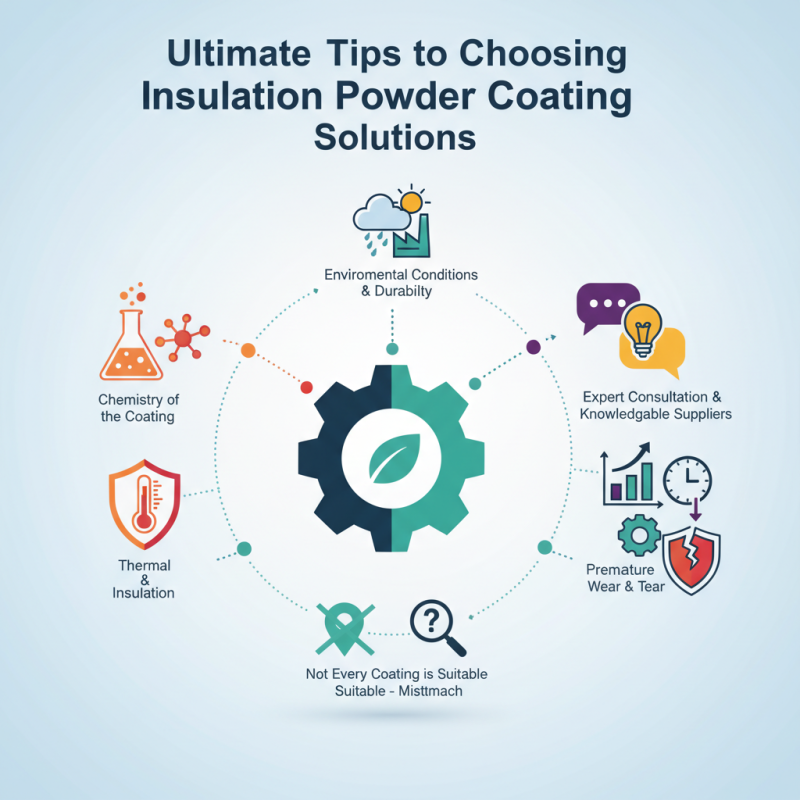
It's essential to consider several factors when examining Insulation Powder Coating solutions. The chemistry of the coating plays a significant role in its effectiveness and resilience. Understanding the environmental conditions of the application area can guide you toward the right product.

Moreover, not every coating is suitable for every environment. This mismatch can lead to costly mistakes. Therefore, thorough research and expert consultation become vital. Engaging with knowledgeable suppliers can help clarify options. Remember that the right choice can increase lifespan and efficiency, while the wrong one may lead to premature wear and tear.
Ultimate Tips for Choosing Insulation Powder Coating Solutions?

Understanding Insulation Powder Coating: Key Characteristics and Benefits

Insulation powder coating offers distinct advantages that enhance performance and extend the lifespan of materials. It is known for its durability. The coating creates a robust barrier against moisture, temperature fluctuations, and chemical exposure. This resilience allows treated surfaces to resist wear and maintain their protective qualities longer than traditional coatings.

Additionally, insulation powder coatings provide excellent thermal insulation. This can contribute to energy savings, particularly in climates with extreme temperatures. The process also leaves a smooth finish, which is visually appealing and easy to clean. However, achieving an even application can be challenging. Uneven layers can lead to performance issues over time. It’s essential to evaluate the application method and equipment before proceeding.

Choosing the right insulation powder coating requires a thorough understanding of its properties. Familiarity with different types can help make informed decisions. Seek expert advice to navigate the benefits and limitations of each option. This knowledge will lead to more effective insulation solutions tailored to specific needs.

Factors to Consider When Selecting Insulation Powder Coating Solutions

When selecting insulation powder coating solutions, several critical factors come into play. The thermal performance of the material should align with your specific application needs. For instance, certain coatings may offer superior heat retention. Others might excel in temperature fluctuations, which is essential in industrial settings. Understanding the thermal conductivity of the coating is vital for ensuring optimal results.

Durability is another key consideration. Look for coatings that can withstand environmental factors such as moisture and UV exposure. Some coatings fade or degrade under harsh conditions, leading to premature failure. Exploring the longevity of the product will ensure fewer maintenance requirements down the line.

Cost is a factor, but it should not be the only deciding element. A cheaper solution may reduce initial expenses but could lead to increased costs in repairs or replacements. Sometimes, investing in higher-quality coatings pays off over time. Consult with experts or review case studies to gauge the long-term value of your choice. It's essential to reflect on past decisions. Learning from previous experiences can guide you towards making a more informed choice.

Ultimate Tips for Choosing Insulation Powder Coating Solutions

Factor Description Importance Example
Material Compatibility Ensure that the coating can bond effectively with the substrate material. High Aluminum, steel coatings
Thermal Performance Evaluate the insulation properties and temperature resistance of the coating. Critical HT-1000 for high heat environments
Durability Check resistance to abrasion, chemicals, and moisture. High Polyester vs. Epoxy
Ease of Application Consider how easily the coating can be applied to different surfaces. Moderate Electrostatic spray coating
Environmental Impact Select coatings with low VOCs and eco-friendly formulations. Moderate Water-based coatings
Cost Assess the cost-effectiveness while considering performance and longevity. High Budget planning for large projects

Popular Types of Insulation Powder Coatings and Their Applications

When choosing insulation powder coatings, understanding the popular types and their applications is crucial. Epoxy-based coatings are among the most common. They offer excellent adhesion and chemical resistance. According to industry reports, these coatings maintain durability in harsh environments. They are widely used in automotive parts and industrial equipment. Their ability to resist corrosion is a significant advantage, but they may not perform well in extreme temperatures.

Polyester coatings are another favored choice. These can withstand UV exposure, making them ideal for outdoor applications. They provide vibrant color options and resist fading over time. Reports indicate that polyester coatings account for nearly 40% of the powder coating market. However, their lower chemical resistance compared to epoxy could be a drawback in some settings.

Baking coatings are also gaining traction, particularly in the electronics sector. They exhibit good insulation properties while adhering well to various substrates. Nonetheless, their application process may require special equipment. It's essential to consider the specific needs of each project, as the suitability of a coating can vary widely. Identifying the right balance between performance and application method is vital for long-term success.

Evaluating Performance and Durability of Insulation Powder Coatings

Choosing the right insulation powder coating requires careful evaluation of performance and durability. It is crucial to assess the thermal resistance and how well the coating mitigates heat transfer. High-quality formulations often provide better insulation and resist wear and tear over time. Look for coatings that can withstand extreme temperatures and various environmental conditions.

Additionally, consider the adhesion properties of the powder coating. If the coating does not adhere well, it can peel or flake. Check for data on long-term performance and field tests. Some coatings may perform well initially but degrade quickly in real-world applications. Independent testing reports can provide valuable insights.

Taking the time to research and evaluate these factors can help you make informed decisions. Seek professional advice if needed. Reviews from users can be informative, but they often reflect individual experiences. Understanding the specifics of your application will guide you toward the most effective insulation solution.

Cost Analysis and Budgeting for Insulation Powder Coating Projects

When considering insulation powder coating projects, budgeting is crucial. Accurate cost analysis ensures you allocate resources effectively. Start by determining the size of the area to be coated. This will significantly impact the total amount of insulation material you need. Labor costs can vary too. Get quotes from different contractors to find a competitive rate.

Tip: Always factor in unexpected costs. Hidden expenses can arise during application or from material shortages. Setting aside 10-15% of your budget for contingencies can save you from financial strain later.

Another important aspect is the quality of materials. Lower costs often mean compromises in durability or effectiveness. Research the properties of insulation materials to gauge their long-term benefits. Consult industry experts for advice on optimal choices. Their experience can guide you toward smarter investments. Remember, focusing on quality can lead to reduced energy costs in the future.

Cost Analysis of Insulation Powder Coating Solutions

This chart represents a cost analysis for insulation powder coating solutions, outlining key expense categories such as material, labor, equipment, overhead, and miscellaneous costs. Proper budgeting and cost assessment are vital for making informed decisions in your insulation projects.

Select Electrical Logo
Since 1988

Select Electrical Ltd. © Copyright 1988-2025