7 Tips for Choosing Soft Starters for Electric Motors
Choose Control Features for Smooth Starting and Stopping
Control features should match the load, not the motor nameplate alone. Adjustable initial voltage can reduce jolts from conveyors or pumps. Current limiting helps when the power supply is weak. For smoother stopping, choose a controlled ramp-down function. It can reduce water hammer in pipelines. The correct setting depends on pipe length and valve timing.
I have commissioned starters for fans, mixers, and loaded conveyors. The same ramp time rarely suits all three. A fan may accelerate gently in ten seconds, while a loaded conveyor needs torque earlier. Select separate starting and stopping parameters when available. Kick-start assistance can overcome static friction, but excessive use creates mechanical shock. Keep it brief. Thermal protection, phase-loss detection, and overload adjustment also matter. Set them using measured motor data, not guesswork.
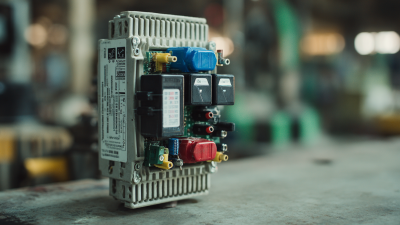
Check how the starter communicates with the control panel. Fault relays, run-status outputs, and event logs can speed up troubleshooting. A bypass contactor may reduce heat during full-speed operation, but its interlocking needs careful verification. Test acceleration with the machine unloaded, then repeat under normal load. Watch current, vibration, and stopping distance. I once accepted a quiet start that hid belt slip. That was a useful mistake. Smooth sound does not always mean smooth operation. Confirm settings against the installation manual and applicable electrical requirements before commissioning.