What is a Usb C Charger and Why You Need One?
In the world of technology, a USB-C charger stands out as a revolutionary tool for powering devices. According to Dr. Emily Chen, a renowned tech expert, “USB-C chargers offer convenience and speed like no other charger.” This statement echoes the growing importance of adopting USB-C technology for everyday usage.
The USB-C charger has become essential for modern gadgets. It offers faster charging times and universal compatibility. A single charger can power multiple devices, from smartphones to laptops. This efficiency saves both time and energy. However, many users still rely on older charging methods. This reliance can lead to frustration and inconsistency in device performance.
Changing habits is difficult. The transition to a USB-C charger requires some adjustment. But embracing this technology brings tangible benefits. With the growing number of devices using USB-C, it is clear that users will eventually need to adapt. As we explore the technology behind USB-C chargers, it becomes evident that they are not just a trend; they are the future of charging solutions.
What is a USB-C Charger?
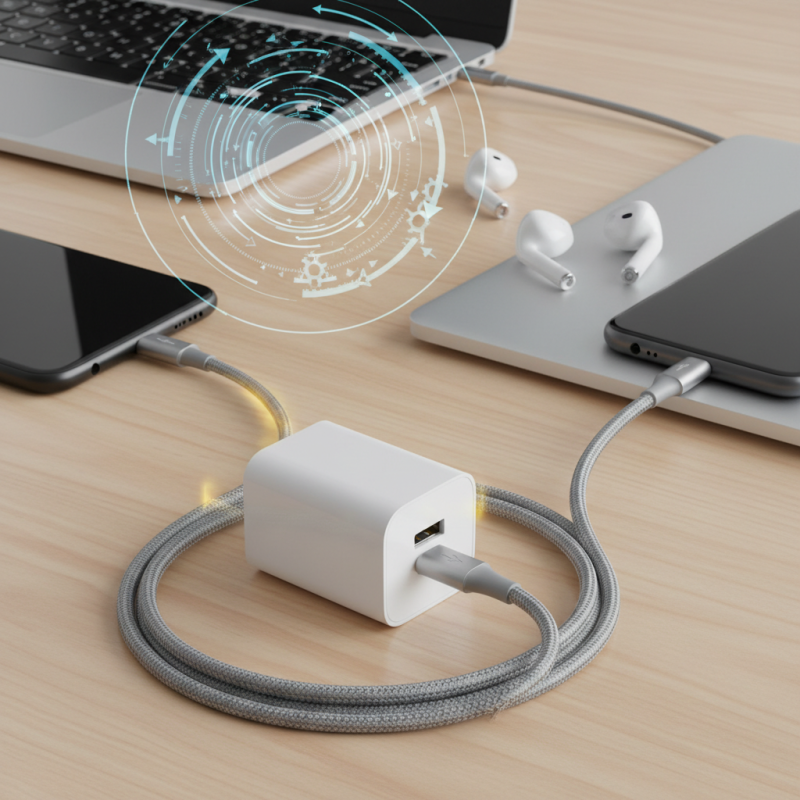
USB-C is a new standard in charging technology. It offers faster data transfer and power delivery compared to previous USB types. A USB-C charger can provide up to 100 watts of power, ideal for laptops, tablets, and smartphones. Reports show that the global USB-C market is expected to grow significantly, reflecting its increasing adoption in consumer electronics.
The design of USB-C connectors is reversible, making them user-friendly. You no longer have to worry about upside-down plugs. This small change has a big impact on daily usability. According to industry studies, USB-C reduces e-waste by supporting multiple device types with one common charger. Many devices can now use the same charger, which can simplify charging setups.
Tips for using USB-C chargers:
Always check the power requirements of your devices. Using the right charger is crucial for optimal performance. Avoid using low-quality cables, as they could harm your devices. While the USB-C standard promises many benefits, not all cables deliver the same power or data speeds. Always choose reputable sources for your chargers and cables.
Key Features of USB-C Chargers
USB-C chargers are becoming the standard for powering devices. They offer versatility and efficiency, making them essential in today's tech landscape. Key features of USB-C chargers include fast charging capabilities. According to the USB Implementers Forum (USB-IF), these chargers can deliver up to 100W of power. This is significantly higher than traditional USB-A or Micro USB charges, allowing for quicker device replenishment.
Another highlight of USB-C chargers is their reversible design. No more fumbling in the dark, trying to plug in cables. User experience research shows that ease of use directly affects consumer satisfaction. The universal compatibility of USB-C also can't be ignored. Devices ranging from smartphones to laptops and even some gaming consoles can utilize this single type of connector. However, not all USB-C chargers are created equal. It's crucial to check for specifications, as some may compromise safety or performance.
Additionally, the sustainability aspect is noteworthy. Industry studies indicate that using USB-C can minimize electronic waste by promoting a common charging solution. Yet, the proliferation of different protocols complicates matters, as not all devices support the same charging speeds or functionalities. It's a complex landscape that calls for careful consideration.
USB-C Charger Capabilities Comparison
Advantages of Using a USB-C Charger
USB-C chargers are rapidly becoming the standard in charging technology. They offer numerous advantages over traditional chargers. One of the major benefits is their reversible design. This allows users to connect the cable in either orientation, eliminating frustration when plugging in. In addition, the USB-C specification supports a higher power output. Some models can deliver up to 100 watts, making it possible to charge laptops and other high-demand devices.
Another key advantage lies in the transfer speed. USB-C chargers can support USB 3.1 and higher standards, enabling data transfer rates of up to 10 Gbps. This speed can significantly reduce the time needed to transfer large files. A report from the International Data Corporation (IDC) highlighted that 67% of consumers prefer higher-speed charging solutions. This demand reinforces the shift towards USB-C.
Compatibility is also a vital factor. USB-C is designed to work across multiple devices, including smartphones, tablets, and laptops. This universality reduces the number of cables needed and helps minimize electronic waste. However, it’s essential to recognize the risk of counterfeit chargers in the market. A study from the Electrical Safety Foundation International (ESFI) indicated a concerning rise in incidents linked to low-quality charging products. Therefore, it's critical to be cautious and seek reliable options while embracing this innovative technology.
Compatibility of USB-C with Other Devices
USB-C has become a standard connector for many devices. Its versatility is impressive, allowing users to connect smartphones, laptops, and tablets with one cable. According to a 2022 industry report, over 80% of new laptops utilize USB-C ports. This trend shows that USB-C compatibility is crucial for a seamless user experience.
When it comes to compatibility, USB-C can provide power delivery, data transfer, and video output. Most modern smartphones, tablets, and accessories support USB-C, making it a universal solution. However, not all devices treat USB-C identically. For example, some may support fast charging, while others may not. This inconsistency can lead to confusion among users. Understanding your device's specifications is key.
Tips: Always check the device's power requirements. Using a charger with insufficient wattage can lead to slow charging. Look for devices specifically labeled as USB-C compatible. This ensures that you maximize the benefits of this technology. Remember, not all cables are created equal. Investing in a high-quality USB-C cable can enhance performance and durability.
Future Trends in USB-C Charging Technology
USB-C charging technology is rapidly transforming the way we charge our devices. Recent data from the USB Implementers Forum shows a significant increase in USB-C adoption, projecting over 1.5 billion USB-C devices in use internationally by 2025. This trend indicates a shift towards a universal charging standard in tech, driven by consumer demand and regulatory pressures.
Future trends in USB-C charging highlight faster charging capabilities and enhanced data transfer rates. Devices are now capable of delivering up to 240 watts, which is enough to power laptops and larger electronics. Reports indicate that USB-C can support speeds of up to 40 Gbps, drastically reducing transfer times. However, as the technology evolves, challenges remain. Not all cables meet these standards, creating confusion among consumers.
Adoption of USB-C involves both environmental and technical considerations. With its single cable for data and power, there is potential for reduced electronic waste. However, compatibility issues can lead to frustration. Consumers may need to navigate a complex array of products to find the right accessories. The future of USB-C charging holds promise, yet challenges must be addressed for widespread acceptance.