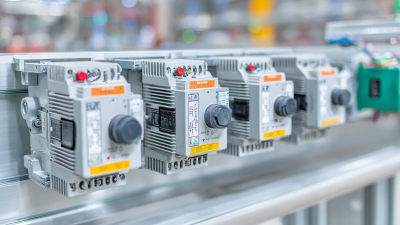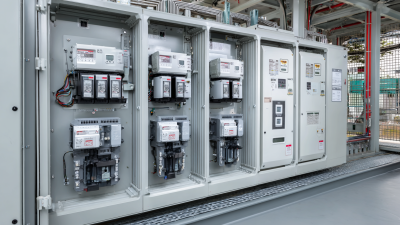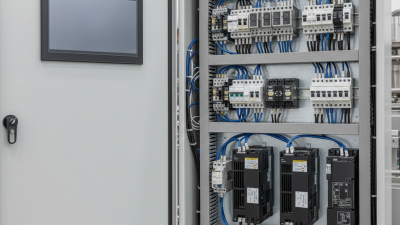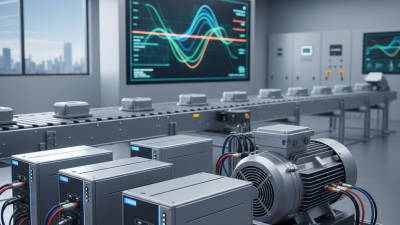
VFD motor control plays a pivotal role in enhancing energy efficiency within industrial settings. Industries consume vast amounts of energy, and inefficient systems can lead to substantial waste. By implementing VFD technology, companies can optimize motor operations, resulting in lower energy costs and improved performance.
Consider a manufacturing facility that relies heavily on electric motors. Without VFD motor control, these motors operate at a constant speed, regardless of actual demand. This inefficiency can cause significant energy loss. However, with VFDs, motors adjust their speed and torque based on real-time requirements. This means less energy wasted and better resource management.
There are challenges in adopting VFD motor control. Some organizations might face budget constraints or lack technical knowledge. Additionally, discussions around maintenance need to occur. Despite these hurdles, the benefits of VFD technology are undeniable. It leads to increased energy savings and improved sustainability efforts in industrial operations. As businesses strive for greener practices, embracing VFD motor control becomes increasingly crucial.
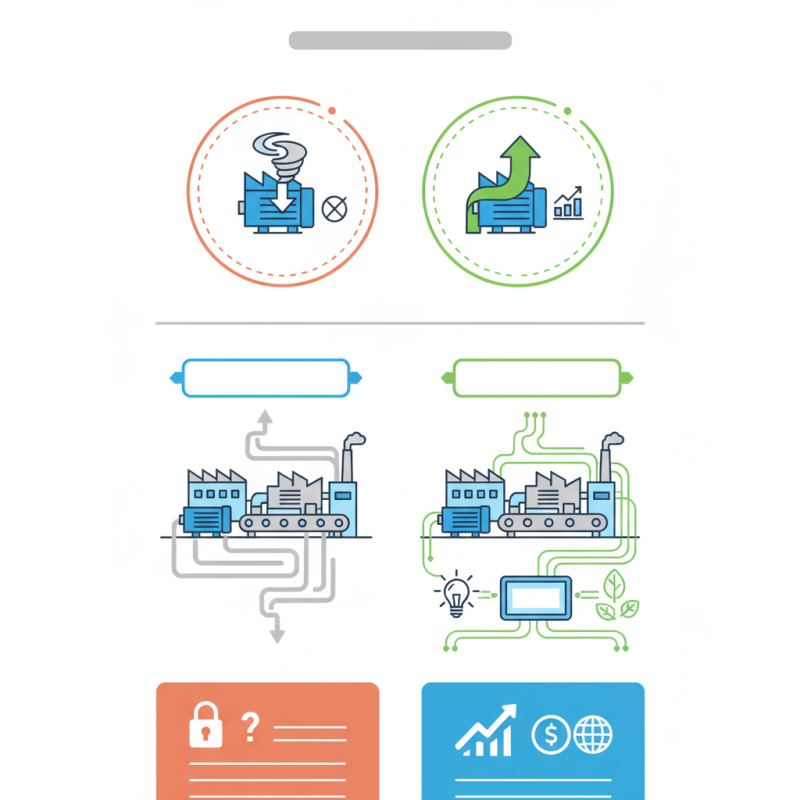
Variable Frequency Drives (VFDs) play a crucial role in motor control. They adjust the speed and torque of electric motors, making operations more efficient. By modulating the frequency of power supplied to the motor, VFDs optimize energy use. This precise control allows for better matching of motor speed to the actual load requirements.
Many industries benefit from VFD technology. In a manufacturing plant, for example, a fan or pump can operate only at the needed speed. This reduces power consumption significantly and minimizes wear on equipment. However, not all applications utilize VFDs effectively. Some operators may set them up incorrectly, leading to energy waste instead of savings. Regular training and updates are essential for maximizing their potential.
While VFDs offer substantial energy efficiency, challenges remain. Systems could malfunction due to improper settings. Maintenance practices might not keep pace with advancements in VFD technology. Addressing these issues requires continuous improvement and learning. Regular reviews of performance data can help identify areas for enhancement.
Variable Frequency Drives (VFDs) play a crucial role in enhancing energy efficiency within industrial settings. According to the U.S. Department of Energy, VFDs can improve the efficiency of motor-driven systems by up to 50%. This significant increase is primarily due to their ability to control motor speeds based on actual demand. When machines run at optimal speeds, energy waste is minimized.
Additionally, a report by the Industrial Refrigeration Consortium highlights that VFDs can lead to considerable energy savings in refrigeration systems. By adjusting the compressor speed, these drives can match cooling needs more accurately. This not only reduces energy consumption but also decreases wear on equipment, extending its lifespan. Yet, many industries still overlook the potential of VFD technology.
Transitioning to VFD technology can be an investment. Some organizations face challenges in integrating these systems effectively. Employee training is often needed to manage these new systems, which can lead to resistance. Moreover, existing infrastructure may require upgrades to support VFD installations. Despite these hurdles, the long-term energy savings and operational efficiencies offered by VFDs make them vital for industries aiming to reduce their carbon footprint and operational costs. Embracing VFDs could be a transformative step for many sectors.
Variable Frequency Drives (VFD) are revolutionizing energy use in manufacturing. By controlling motor speed and torque, they adjust to process demands. This capability can reduce energy consumption by nearly 50% in some applications. It is a significant figure. Yet, many industries still overlook this technology.
Implementing VFDs improves overall system reliability. They can prevent mechanical damage by allowing smoother starts and stops. Regular AC motor operations often involve abrupt changes. This stress leads to higher maintenance costs. Data shows that VFD installation can decrease repair frequency by up to 30%. However, initial costs may deter some manufacturers, even though long-term savings greatly outweigh them.
VFDs also improve process control. Precise adjustments enhance product quality and reduce waste. One study indicated a 20% decrease in material waste when VFD technology was employed. Yet, not every facility sees these results. Some struggle with integration issues and require proper training. Challenges exist, but the potential benefits remain compelling for those who commit to VFD technology.
In various industries, Variable Frequency Drive (VFD) motor control has proven to be a game-changer for energy efficiency. Case studies highlight significant energy savings achieved through the use of VFDs. For example, a manufacturing plant using VFDs on its conveyor systems reduced energy consumption by 30%. This not only lowered costs but also contributed to lower carbon emissions.
Another example can be seen in HVAC systems. A facility switched to VFDs to control fan speed based on demand. It resulted in a 40% drop in energy usage. Adjusting motor speeds allowed the system to operate more efficiently without sacrificing performance. Yet, some firms struggle with implementation. Issues often arise from inadequate training or lack of understanding. It's crucial to address these gaps to maximize benefits.
In agriculture, irrigation systems using VFDs have observed energy costs decrease by about 25%. The ability to adjust pump speeds based on water needs leads to smart resource management. However, some operators still rely on fixed-speed motors. This reluctance can stem from unfamiliarity with technology or perceived complexity. Overcoming these challenges is essential for broader industry adoption.
| Industry | Energy Savings (%) | Estimated Annual Savings ($) | Payback Period (Years) |
|---|---|---|---|
| Manufacturing | 30% | $45,000 | 2 |
| Water Treatment | 25% | $20,000 | 3 |
| HVAC | 35% | $50,000 | 1.5 |
| Mining | 20% | $30,000 | 4 |
| Food Processing | 28% | $25,000 | 3 |
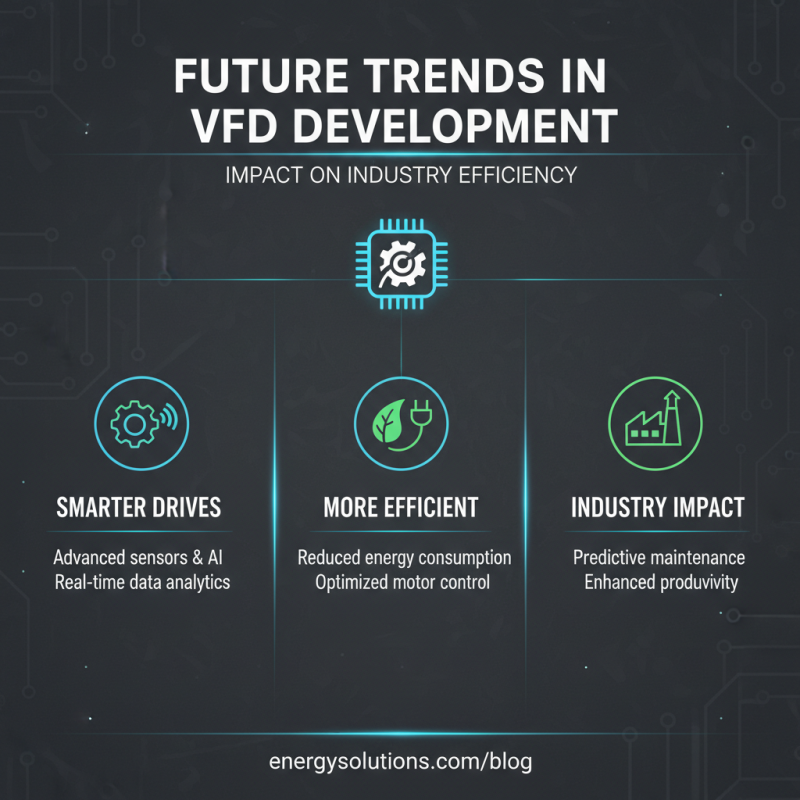
The future of Variable Frequency Drive (VFD) technology looks promising. These drives will keep evolving. They are becoming smarter and more efficient. Advanced sensors will provide real-time data. This will enable better motor control, reducing energy consumption significantly.
It's essential to keep an eye on upcoming trends. Look for innovations in integration and interoperability. As VFD systems become more advanced, they will connect better with other devices. This could lead to improved performance in various applications.
Tips: Always assess your current motor systems. Regular maintenance can help identify inefficiencies. Explore options for retrofitting older systems with newer VFD technology. Small upgrades might lead to significant energy savings, helping your bottom line. Stay informed about industry advancements. This helps in adopting technologies that enhance operational efficiency.