What is VFD Variable Frequency Drive and How Does it Work?
In the world of industrial automation, the VFD variable frequency drive stands out as a crucial technology. Experts like John Smith, a seasoned engineer in motion control, emphasize its importance: “A VFD optimizes motor performance by adjusting the frequency and voltage supplied.” This approach enhances efficiency and reduces energy consumption.
Understanding how a VFD variable frequency drive functions is essential for engineers and technicians. It allows for precise control of motor speed and torque, which translates to smoother operation in various applications. With the rise of energy costs, the need for efficient solutions is pressing, making VFDs more relevant than ever.
However, implementing a VFD can be complex. Not all systems are compatible, and improper setup may lead to performance issues. Continuous learning and adaptation are necessary in this field. As we delve into the workings of VFD variable frequency drives, it is vital to examine both their capabilities and the challenges they present.
What is a Variable Frequency Drive (VFD)?
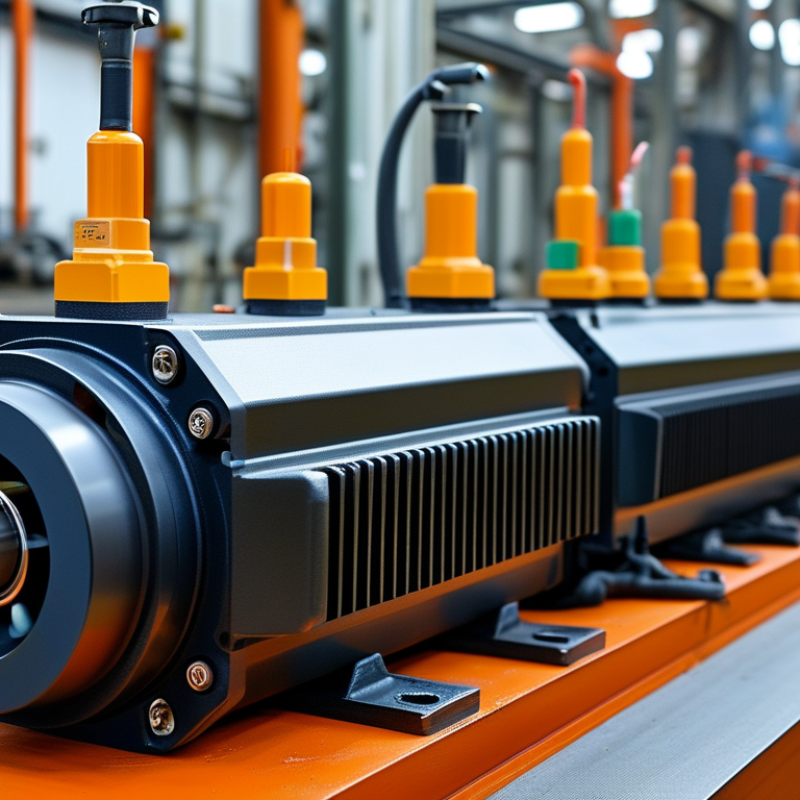
A Variable Frequency Drive (VFD) is an electronic device that controls the speed of an electric motor. By varying the frequency and voltage of the power supplied to the motor, it allows for precise speed regulation. This capability is essential in various applications, from HVAC systems to conveyor belts. Unlike traditional methods, VFDs enable smoother acceleration and deceleration of motors, reducing mechanical stress and energy consumption.
VFDs are composed of three main components: a rectifier, a DC bus, and an inverter. The rectifier converts AC power into DC, which is then smoothed by the DC bus. Finally, the inverter changes the DC back into AC, with adjustable frequency and voltage. This process allows for versatile motor control. While VFDs are effective, they can introduce harmonic distortion into the electrical system. Addressing this issue is crucial for maintaining overall power quality.
Understanding how VFDs operate can enhance their effectiveness in industrial settings. Many operators overlook potential installation errors or incorrect settings that can lead to inefficiencies. Regular maintenance and monitoring are vital to ensure optimal performance and reliability. Being aware of these factors can help users maximize their benefits from VFD technology.
Basic Components of a VFD and Their Functions
A Variable Frequency Drive (VFD) is essential in modern motor control systems. The basic components of a VFD include a rectifier, DC bus, inverter, and control unit. Each part plays a crucial role in regulating motor speed and torque.
The rectifier converts AC power from the supply into DC power. This conversion is necessary for the DC bus. The DC bus stores energy and smooths the power flow. It allows for steady power delivery to the inverter, which then converts the DC back into variable AC. The inverter adjusts output frequency and voltage to control the motor speed.
Understanding these components is vital. Improperly configured components can lead to inefficiencies. Regular maintenance can prevent unexpected failures. Ensure all connections are secure and check for heat buildup in the VFD.
Monitor how the VFD performs under different loads. This insight can highlight potential issues. Often, feedback about irregularities can help improve performance. Engineers should be prepared for troubleshooting if unusual behaviors arise. Ensuring that all parts are functioning smoothly can extend the life of the VFD system significantly.
VFD (Variable Frequency Drive) Basics
This bar chart illustrates the basic performance parameters of a Variable Frequency Drive (VFD), including voltage, current, frequency, and speed. These key metrics help in understanding how a VFD controls motor performance and energy efficiency.
How VFDs Control Motor Speed and Torque
Variable Frequency Drives (VFDs) are essential for controlling motor speed and torque effectively. They work by adjusting the frequency and voltage supplied to the motor. This method allows for precise speed control, which traditional methods struggle to achieve. By using a VFD, engineers can optimize a motor's performance for specific tasks. For example, when a factory needs to ramp up production, a VFD can increase motor speed smoothly.
A VFD allows for energy savings and reduced wear on the motor. Operating at lower speeds typically means less energy consumption. This can lead to significant cost savings over time. Additionally, VFDs help in maintaining torque at various speeds. They ensure that machines operate efficiently, thus improving overall productivity.
However, VFDs are not without their challenges. Installation can be complex and may require specialized knowledge. Proper programming and setup are crucial for optimal performance. If not configured correctly, these devices can cause issues like motor overheating or electrical noise. Understanding these potential pitfalls is important for effective use.
Benefits of Using VFDs in Industrial Applications
Variable Frequency Drives (VFDs) are transforming industrial processes. They adjust the speed and torque of electric motors. This capability leads to significant energy savings and performance enhancements. Reports indicate that VFDs can improve energy efficiency by 20-50% in various applications. Industries are increasingly adopting VFDs to reduce operational costs and environmental impact.
The financial benefits are compelling. According to a study, companies using VFDs reported an average reduction of 30% in energy bills. Beyond savings, VFDs extend motor lifespan. This reduces maintenance costs and downtime. An estimated 80% of electric motor failures are due to excessive heat. By regulating motor speed, VFDs minimize overheating and wear, ensuring more reliable performance.
However, implementing VFDs is not without challenges. Operators must ensure proper installation and settings. Incorrect configurations can negate energy savings and cause inefficiencies. Moreover, employees require training to understand VFD operations fully. Industry experts suggest that ongoing assessments and optimizations are crucial for maximizing VFD benefits. As usage grows, companies are encouraged to share insights and improve best practices for everyone involved.
What is VFD Variable Frequency Drive and How Does it Work? - Benefits of Using VFDs in Industrial Applications
| Feature |
Description |
Benefits |
| Speed Control |
Allows precise control of motor speed by varying frequency and voltage. |
Improves process efficiency and reduces energy consumption. |
| Energy Savings |
Reduces energy usage by adjusting motor speed to match the load requirements. |
Significant cost savings on electricity bills. |
| Soft Start |
Gradually ramps up motor speed to avoid mechanical stress. |
Increases equipment lifespan and reduces maintenance costs. |
| Harmonic Distortion |
Improves power quality by minimizing harmonic distortion. |
Enhances overall system efficiency and extends equipment life. |
| Control Flexibility |
Supports various control methods for unique applications. |
Allows customization for different industrial processes. |
Common Applications and Use Cases for VFD Technology
Variable Frequency Drives (VFDs) play a critical role in various industries by offering precise control over motor speed and torque. They are widely used in applications such as HVAC systems, industrial machinery, and conveyor systems. According to a recent market analysis, the global VFD market size was valued at over $20 billion in 2022, with projected growth rate surpassing 7% annually. This increasing adoption reflects the growing need for energy efficiency and operational flexibility.
In HVAC systems, VFDs allow for optimal control of fan and pump speeds, resulting in energy savings of up to 30%. In manufacturing, they enhance performance and reduce mechanical stress on equipment. Motors controlled by VFDs can significantly decrease wear and tear, thereby extending lifespans and reducing maintenance costs.
Another noteworthy application is in renewable energy systems, where VFDs help integrate variable speed technologies for wind and solar power generation, optimizing energy output in fluctuating conditions.
However, VFDs are not without challenges. Some users report issues with harmonics, which can affect power quality and equipment performance. Additionally, initial installation costs can be a barrier for smaller operations. Understanding these trade-offs is crucial for effectively leveraging VFD technology.