What Is a Furniture Suction Cup Used For?
A Furniture Suction Cup uses vacuum pressure to grip a clean, smooth surface without screws or permanent fittings. In homes and workshops, it can temporarily hold a lightweight accessory, steady a glass panel during careful positioning, or help keep a small protective pad in place. The key word is “smooth”: textured finishes, porous wood, dust, and curved surfaces can weaken the seal. A cup may look secure, then slowly release. That deserves attention.
Safety data helps explain why temporary grips must not be mistaken for structural supports. The U.S. Consumer Product Safety Commission’s 2020 report on tip-over incidents recorded 451 reported deaths involving televisions, furniture, and appliances from 2000 through 2019; 81 percent involved children. Those figures concern tip-overs, not suction cups. They do, however, underline an important distinction: a suction cup is not a substitute for an approved anti-tip device or a furniture maker’s installation instructions. It should not be trusted to hold heavy furniture, protect a child, or support anyone’s weight. Check the cup’s stated load limit, inspect it for cracks, and test the grip before use. Clean and dry surfaces matter. So does frequent rechecking. I once assumed a firm press meant a lasting hold; that assumption was too casual. This guide explains practical uses, limitations, and simple checks, so readers can choose the right tool for the job.
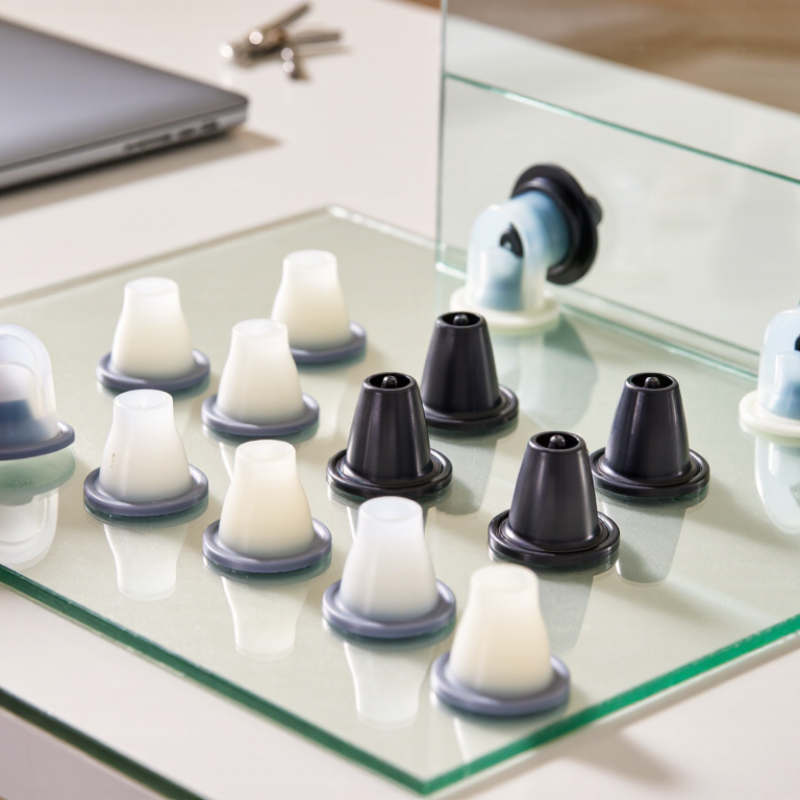
What Is a Furniture Suction Cup?
A furniture suction cup is a flexible cup, usually made of rubber or silicone, fitted to a furniture leg or base. Pressing it against a clean, smooth, nonporous surface pushes out air; the pressure difference helps hold the cup in place. You may find these cups beneath small tables, display stands, or furniture placed on glass or polished tile. They can limit sliding and help keep a light piece steady. They are not universal. Textured floors, dust, and uneven surfaces weaken the seal.
The term can be confusing: some products attach furniture to the floor, while others hold a small accessory against furniture. Check the design and load rating before use. The U.S. Consumer Product Safety Commission’s 2023 tip-over report estimated 22,500 emergency-department-treated injuries in 2022 involving TVs, furniture, and appliances. A suction cup is not an anti-tip anchor, and it should not replace suitable anchoring for tall or heavy furniture.
Tips: Wipe the surface and cup dry, then press firmly. Test the hold gently before placing anything breakable nearby. Recheck it after moving the furniture; suction can fade. I would not trust one on a textured floor, even if it seems secure at first.
How Does a Furniture Suction Cup Attach?
What Is a Furniture Suction Cup Used For?
How Does a Furniture Suction Cup Attach?
A furniture suction cup attaches by pressing its flexible rim against a smooth, nonporous surface. This pushes out some air and creates a partial vacuum beneath the cup. Outside air pressure then holds the cup in place. Some designs use a lever or twist-lock to improve the seal. You can often feel the rim flatten as it grips.
NIST gives standard atmospheric pressure as 101.325 kPa. In an ideal calculation, a 50 mm cup could create about 199 N of holding force. That is a theoretical upper limit, not a safe working-load rating. Dust, scratches, moisture, and small leaks reduce the pressure difference. A cup may look secure but still slip, especially on textured wood or fabric. The physics is simple; real surfaces are not.
Tips: Wipe both surfaces clean and dry, then press the cup firmly from its center outward. Check that the rim sits flat, and test the attachment gently before relying on it. Recheck it after moving the furniture. I would not trust one quick tug as a full test.
What Is a Furniture Suction Cup Used For? — How Does a Furniture Suction Cup Attach?
| Use | How It Attaches | Suitable Contact Surface | Practical Notes |
| Securing a glass tabletop to a compatible furniture frame | The cup sits between the glass and frame. Pressing it against the glass expels air from beneath the rim; the pressure difference helps hold the cup in place. | Clean, smooth, nonporous glass that is compatible with the cup’s size and design. | Use cups designed for the furniture and tabletop. Check that the glass is properly supported and do not treat suction cups as a substitute for a suitable frame or safety hardware. |
| Attaching a removable accessory, such as a small organizer, to furniture | Press the cup firmly onto the surface so its flexible rim forms a seal. A lever or locking feature, if present, may help create or maintain suction. | Flat, smooth, nonporous surfaces such as suitable glass or polished, sealed surfaces. | Check the product instructions for compatible materials and load limits. Added weight, vibration, or pulling can weaken the hold. |
| Helping position a removable fitting during setup | The cup is pressed onto a smooth surface to hold the fitting temporarily through suction. | A clean, dry, flat surface without texture, seams, or deep curves. | Temporary holding is not the same as a permanent mechanical attachment. Recheck the seal during use. |
| Reducing movement where a suction-style furniture foot is specifically designed for that purpose | The cup-shaped foot presses against the floor or another smooth surface and forms a seal when the surface and product allow it. | Typically smooth, nonporous flooring; suitability varies by foot design and floor finish. | Follow the furniture maker’s guidance. Do not assume every cup-shaped foot creates suction or is suitable for every floor. |
Basic attachment steps: Clean and dry both the cup and contact surface, place the cup flat against the surface, and press firmly from the center toward the rim to expel trapped air. For a locking model, operate its lever or mechanism as directed. Suction generally works poorly on porous, rough, dirty, wet, or uneven surfaces. Inspect the attachment regularly, and do not rely on a suction cup for overhead, safety-critical, or heavy-load support unless the product is specifically rated for that use.
What Are Furniture Suction Cups Commonly Used For?
Furniture suction cups are commonly used to hold lightweight items against smooth, nonporous surfaces. You may find them beneath a glass tabletop, where they help keep the top from shifting on its frame. Smaller cups can secure a removable table protector or keep a lightweight accessory steady on a glass cabinet door. Some designs also fit beneath furniture legs to reduce movement on smooth floors. They work best on clean, dry glass, tile, or polished metal. Dust, textured finishes, and worn rubber can weaken the seal. Small jobs suit them. Check the grip again after cleaning or moving the furniture.
Their limits matter. A suction cup is a temporary grip, not a reliable wall anchor for tall or heavy furniture. The U.S. Consumer Product Safety Commission’s 2022 tip-over injury report estimated about 22,500 emergency-department-treated injuries involving tip-over incidents in the United States. That figure covers tip-over incidents, not injuries caused by suction cups, but it underscores why cups should not replace proper anti-tip restraints. I have also found that a cup can seem secure at first, then loosen as air leaks beneath its edge. Test it gently before placing anything valuable on the supported surface, and follow the product’s load rating.
Which Furniture Surfaces Are Suitable?
Which Furniture Surfaces Are Suitable?
Furniture suction cups work best on clean, flat, nonporous surfaces that let the rim form an uninterrupted seal. Glass, polished metal, glossy plastic, and smooth, sealed laminate are usually suitable. Wipe away dust, grease, and moisture first; even a tiny crumb can create a leak. Check the surface with your fingertips. If it feels deeply textured, the cup may not hold reliably.
Porcelain tile can also provide a good contact surface when its glaze is smooth and the cup avoids grout lines. ANSI A137.1 defines porcelain tile by water absorption of 0.5% or less, a useful indicator of its dense body, though it does not guarantee suction-cup performance. The USDA Forest Products Laboratory’s Wood Handbook describes wood as porous and responsive to moisture, so unfinished timber and open-grain finishes are poor choices. Painted or varnished wood is less predictable: a cup may seal on a flawless finish, but weak or uneven coatings can lift. A little frustrating, perhaps, but surface condition matters more than the furniture’s material label. Test the cup gently before placing anything valuable on it.
How to Use and Remove a Furniture Suction Cup Safely?
What Is a Furniture Suction Cup Used For?
A furniture suction cup can help grip smooth, nonporous surfaces while you move or position an item. It may be useful on glass cabinet doors or polished panels. It will not hold reliably on fabric, unfinished wood, dusty surfaces, or textured finishes. Check the cup and furniture instructions before use, especially the stated weight limit.
How to Use and Remove a Furniture Suction Cup Safely?
Clean and dry both the cup and the contact area. Even a thin layer of dust can weaken the seal. Press the cup firmly against the surface, then engage its handle or locking lever, if present. Give it a gentle tug to check the grip before applying pressure. Keep the load close to your body, and ask someone to help with large or awkward pieces. A suction cup is not a substitute for proper lifting technique.
To remove it, release the lever or use the built-in tab to let air beneath the rim. Ease it away; do not yank the handle or pry with a sharp tool. That matters. If the cup slips, stop and reset it on a clean, suitable area. It is easy to rush this step, but a quick grip check can prevent a dropped panel or scratched finish. Never force it.
What Is a Furniture Suction Cup Used For?
This chart gives illustrative time estimates for safely attaching and removing a furniture suction cup. Actual times vary by cup design and surface.
Use suction cups only on clean, dry, smooth, nonporous surfaces. Check the product’s load rating, test the grip gently before moving furniture, and release the vacuum before peeling the cup away. Do not pull the cup off forcibly.