
Why Choose a Bar Code Reader for Global Sourcing?

Why Choose a Bar Code Reader for Global Sourcing?

Global sourcing often looks efficient on paper, yet small identification errors can become expensive delays. A carton arrives with the wrong label. A supplier uses a different format. A warehouse worker types one digit incorrectly. These moments are ordinary, but their costs are not.

A Bar Code Reader creates a practical link between physical goods and digital records. It can capture product, batch, location, and shipment details within seconds. At receiving, a worker can scan a carton beside the loading dock. The inventory system then records the item without manual retyping. This supports faster verification, clearer traceability, and fewer avoidable discrepancies across suppliers.

GS1 President and CEO Miguel Lopera has said, “Standards create a common language for business.” That idea explains the value of barcode technology in international procurement. A reader alone cannot repair poor data, unclear supplier instructions, or weak system integration. It is only one part of the process. Still, it offers a dependable operational foundation when partners follow consistent standards.

The choice requires careful testing. Lighting, damaged labels, scanning distance, packaging materials, and software compatibility all matter. A low-cost device may seem attractive. It may perform poorly in a busy warehouse. Our experience suggests testing real cartons, not only clean samples. That is where hidden weaknesses appear.

For global sourcing teams, the strongest case is not novelty. It is control. A reliable Bar Code Reader helps turn scattered supply-chain events into visible, reviewable information. Mistakes can still happen. Better scanning simply makes them easier to detect and correct.
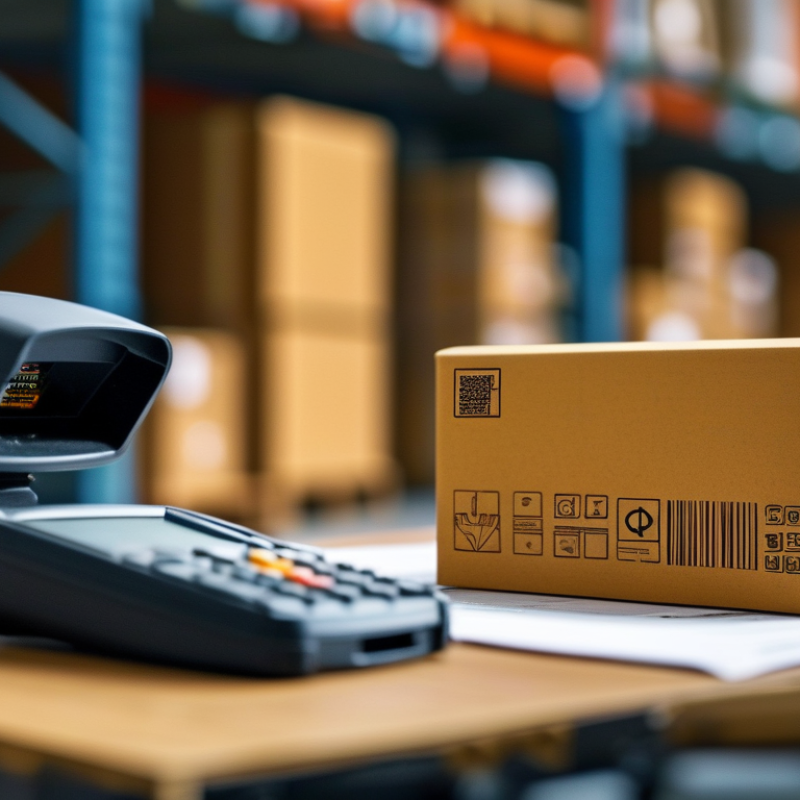
Why Choose a Bar Code Reader for Global Sourcing?

What Is a Bar Code Reader in Global Sourcing?

In global sourcing, a barcode reader is a device that captures printed or digital product codes. It converts bars, spaces, or square patterns into data that purchasing systems can understand. A warehouse worker may scan a carton at receiving, then verify its quantity, lot, and destination. The reader can be handheld, fixed above a conveyor, or built into a mobile terminal. That flexibility matters when suppliers use different packing arrangements.

For sourcing teams, the device connects physical goods with purchase orders, shipping records, and inspection results. A scan can reveal a mismatch before a container leaves the supplier’s facility. It may also reduce manual typing, unclear handwriting, and repeated spreadsheet updates. Reliable use depends on clean labels, suitable lighting, correct code settings, and trained operators. A damaged label remains a problem. Readers do not repair bad data.

During supplier onboarding, buyers should test sample cartons, inner packs, and individual units. They should confirm whether the code carries only an item number or additional details, such as batch and expiry information. Data fields must match the buyer’s system and local receiving process. I have found that speed claims can distract from simple usability. A reader that scans quickly but fails under glare may create more rework. That trade-off deserves honest testing.

How Bar Code Readers Improve Product Identification

In global sourcing, product identification can become difficult across suppliers, warehouses, and shipping routes. A bar code reader captures encoded details in seconds, reducing manual entry and repeated checking. In a receiving area, an operator can scan a carton beside the purchase order. The system then confirms the item, quantity, and recorded location.

This process creates a clearer identification trail. Each scan can connect a product with its batch, supplier, inspection result, or dispatch record. Staff spend less time comparing small printed numbers. That matters. Fewer transcription errors can prevent the wrong components from entering production. It also helps teams investigate delays when several shipments look almost identical.

A reader is not magic. Damaged labels, glare, weak contrast, and poor database records can still cause failures. I have seen operators rescan a label because the first result looked correct but matched the wrong item. That small pause is valuable. Reliable use requires suitable label quality, regular equipment checks, and trained staff who verify unusual results. Different regions may also use different data formats, so sourcing teams should test compatibility before deployment. A practical trial with real cartons often reveals problems that a clean demonstration hides.

Key Benefits for International Supply Chain Operations

Why Choose a Bar Code Reader for Global Sourcing?

Global sourcing depends on accurate movement data across factories, ports, warehouses, and stores. A bar code reader captures item details within seconds. It reduces manual entry errors during receiving, picking, and dispatch. Teams can track cartons by purchase order, batch, or location. This visibility supports faster inventory checks and clearer communication between international partners. It also helps managers compare physical stock with digital records before delays become expensive. In multilingual operations, a scan is often clearer than a handwritten note.

Tips: Test readers with every label material used by suppliers. Check performance under dim lighting and warehouse dust. Keep spare devices available. Train workers on damaged or poorly printed codes. A simple exception process matters.

Standardized scanning can improve traceability and support reliable shipping documentation. It does not replace supplier verification or careful data governance. Each code must connect to accurate product information. Otherwise, a fast scan only spreads incorrect data faster. No system is flawless. In warehouse projects, failed scans often come from glare, curved packaging, or rushed labeling. Reviewing these failures can reveal weak packing procedures and improve future orders. Managers should also measure scan accuracy, processing time, and exception rates across locations. These records provide evidence for operational decisions and supplier discussions.

Factors to Consider When Choosing a Bar Code Reader

Why Choose a Bar Code Reader for Global Sourcing?

Factors to Consider When Choosing a Bar Code Reader

Global sourcing creates mixed labels, long shipping routes, and demanding warehouse conditions. A suitable bar code reader should handle different symbologies, print quality, and scanning distances. The 2023 Warehousing Study reported that 73% of decision-makers planned to increase modernization efforts by 2028. This trend makes reliable data capture increasingly important.

Start with the application, not the device specification. Choose an imager that reads both one-dimensional and two-dimensional codes when suppliers use varied packaging. Check scanning speed, working distance, field of view, and performance under dim lighting. Test it live. A reader may perform well on clean samples but struggle with glossy cartons, curved labels, or damaged ink.

Environmental protection also matters. Consider dust, moisture, vibration, temperature changes, and frequent drops. Wireless models need stable connectivity, manageable charging cycles, and secure data transfer. A 2023 smart-manufacturing survey found that 86% of executives expected smart factory initiatives to strengthen competitiveness within five years. Ergonomics should not be overlooked; a heavy reader can slow repeated picking and increase fatigue. Total cost includes setup, maintenance, batteries, training, and replacement units. The cheapest option can become expensive. No selection matrix is perfect, so review real scanning errors after deployment and adjust the choice.

How to Implement Bar Code Scanning Across Global Suppliers

Implementing bar code scanning across global suppliers starts with shared rules, not scanners. Define one item identifier, packaging hierarchy, and label location for every facility. Use recognized, application-appropriate symbologies and document the data fields they carry. A carton label should show the item code, lot, quantity, and production date. Keep the layout simple. Before rollout, compare supplier master data with your purchasing and warehouse records. Small naming differences can create duplicate items, incorrect receipts, and delayed payments.

Run a controlled pilot with suppliers from different regions and operating conditions. Test printed labels, mobile scanners, network outages, damaged cartons, and mixed pallets. Do not test only the ideal shipment. Require each supplier to submit sample labels and scan results before live shipping. Connect scan events to purchase orders, advance shipment notices, inventory records, and receiving workflows. Where integration is unavailable, use a secure template with validation rules. That workaround is practical, but it can increase manual errors. Review it regularly.

Train warehouse teams with real cartons, not slides alone. Give suppliers a concise implementation guide, escalation contact, and rejection criteria. Measure first-pass scan rate, receiving time, unreadable labels, and exception frequency. Review results monthly with procurement, operations, and supplier quality teams. A high scan rate can still hide bad master data. Audit samples at docks and compare physical quantities with system records. Keep version-controlled specifications, access permissions, and change logs for traceability. Global deployment needs local language support and realistic time zones. Some suppliers will need more time. Plan for that.

Select Electrical Logo
Since 1988

Select Electrical Ltd. © Copyright 1988-2025