China Top 10 Motor Contactor Manufacturers for Global Buyers
Choosing a reliable motor contactor manufacturer can affect machine uptime, operator safety, and maintenance costs. For global buyers, China offers a broad supply base, from established electrical brands to specialized factories serving OEM projects. However, product photos alone reveal very little.
This guide introduces ten leading Chinese manufacturers associated with motor contactor production and international supply. The selection considers manufacturing experience, certification practices, product range, export capability, and technical support. Important details include AC-3 ratings, coil voltage options, electrical endurance, enclosure quality, and compatibility with 380V or 400V industrial systems. Buyers should also review IEC 60947-4-1 compliance, factory testing procedures, and traceability records before placing an order.
Practical checks matter. Ask for datasheets, sample units, test reports, and clear warranty terms. A dependable supplier should explain contact ratings without vague promises. They should also respond accurately when your application involves pumps, compressors, conveyors, or frequent motor starting. Lead times and spare-part availability deserve attention too.
No list is perfect. Rankings can change as factories expand, improve, or lose consistency. A strong brand may still provide the wrong model for a specific load. In my experience, careful specification review prevents more problems than choosing the lowest quotation. Treat this article as a starting point, not a final purchasing decision. Verify every claim directly with the manufacturer. Small details matter.
What Is a Motor Contactor and Why Does It Matter?
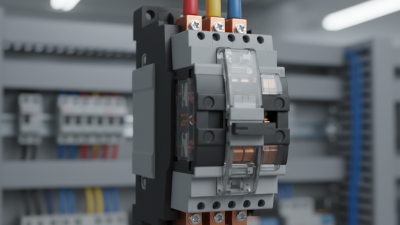
A motor contactor is an electrically controlled switch for starting and stopping motors. It uses a coil, power contacts, and auxiliary contacts. When energized, the coil pulls the contacts together, allowing current to reach the motor. When de-energized, the contacts open quickly. Simple hardware, serious responsibility.
The International Energy Agency estimates that electric motor systems consume roughly half of global electricity. The U.S. Department of Energy also identifies motor-driven equipment as a major industrial energy user. This makes reliable switching more than a purchasing detail. A suitable contactor limits arcing, supports repeated operation, and works with overload protection under IEC 60947-4-1. Check the details.
In real projects, buyers should match utilization category, rated current, motor power, control voltage, and operating frequency. AC-3 ratings matter for squirrel-cage motors during normal starting and stopping. A dusty factory, frequent reversing, or heavy starting load can change the selection. Installation experience often reveals problems that catalog tables miss. I have seen oversized contactors waste panel space, while undersized units suffer early contact wear. Neither choice is clever. Temperature, enclosure ventilation, and spare-part access deserve equal attention. Specifications can look complete and still hide a weak application assumption.
Motor Contactor Sizing Reference for Global Buyers
Approximate full-load current of common three-phase motor ratings at 400 V, supporting AC-3 motor-contactor selection.
The current values are engineering estimates calculated with I = P ÷ (√3 × V × η × PF), using 400 V, 90% efficiency, and 0.85 power factor.
Actual selection must be based on the motor nameplate current, IEC AC-3 utilization category, starting conditions, switching frequency, and the required control-coil voltage.
China’s Top 10 Motor Contactor Manufacturers for Global Buyers
China’s Top 10 Motor Contactor Manufacturers for Global Buyers deserve careful evaluation beyond catalog prices. Strong suppliers usually provide contactors for pumps, compressors, conveyors, and factory machines. Their production lines should support stable coil voltage, reliable auxiliary contacts, and consistent overload coordination. Buyers should inspect test records, material specifications, and production traceability before placing large orders.
A practical review checks compliance with relevant IEC or local standards, insulation strength, mechanical endurance, and temperature performance. Ask for samples. Test them under realistic loads, not only in a clean laboratory. A contactor that survives repeated switching at 400 V tells a clearer story than attractive product photos. Supplier communication also matters. Clear drawings, response times, spare-part access, and packaging quality reduce installation problems.
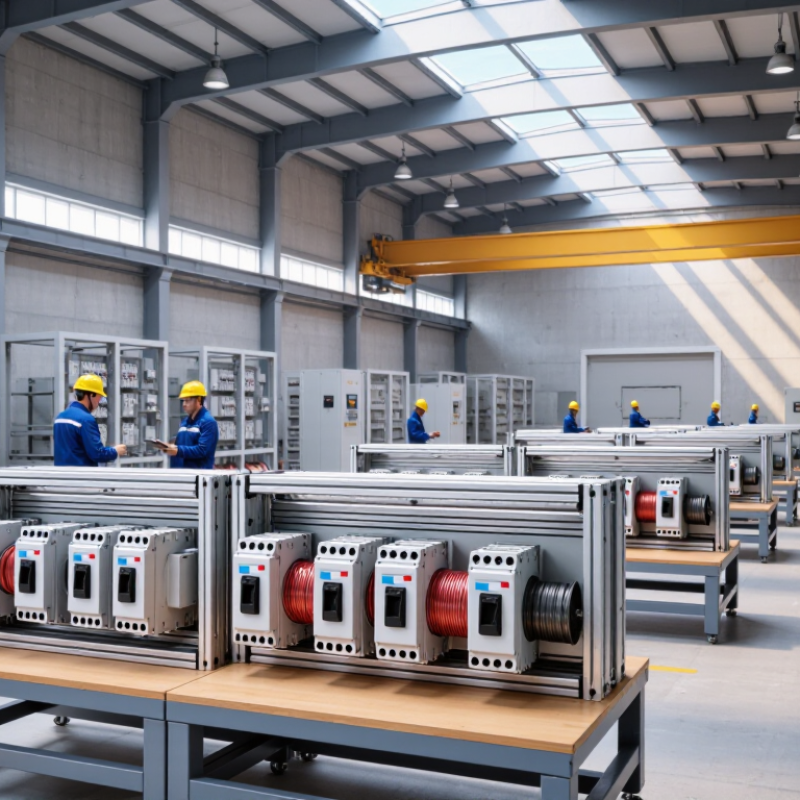
Factory visits can reveal details missed during online negotiations. Look for calibrated test equipment, organized assembly stations, and labeled incoming materials. No ranking is perfect. Some manufacturers excel in standard models but respond slowly to custom coil requirements. Others offer flexible engineering support but have less polished documentation. This difference can affect maintenance costs after delivery. Global buyers should compare technical evidence, production capacity, export experience, and after-sales responsibility before selecting among China’s leading manufacturers.
Key Product, Safety, and Certification Factors to Compare
China Top 10 Motor Contactor Manufacturers for Global Buyers
Selecting among China’s top motor contactor manufacturers requires more than comparing price and current ratings. The International Energy Agency reports that electric motor systems consume roughly half of global electricity. Small efficiency and reliability differences can therefore affect operating costs. Check AC-3 ratings, rated operational current, coil voltage, electrical endurance, and switching frequency. For demanding panels, verify short-circuit coordination and SCCR values. A polished datasheet can still hide weak test evidence.
Safety and certification deserve equal attention.
IEC 60947-4-1 is a key reference for contactors and motor starters. Buyers may also require UL or CSA certification for North American installations, plus CE or UKCA marking for relevant European markets. Confirm certificate numbers, product scope, and issuing laboratories. Do not accept a logo alone. Factory audits should examine terminal temperature rise, insulation distance, contact welding resistance, and overload-relay compatibility. The U.S. Department of Energy has reported that industrial motor systems account for more than 70% of manufacturing electricity use, making dependable protection commercially important.
Tips: Request recent type-test reports, sample units, and traceable batch records. Compare Type 1 and Type 2 coordination. Check spare-contact availability and warranty response times. Field conditions are often harsher than laboratory assumptions. I would also test cold starts, coil noise, and repeated switching before approval. One weakness remains easy to miss: certification may cover one frame size, not the entire series.
How to Select and Source the Right Chinese Manufacturer
Selecting one of China’s top motor contactor manufacturers requires more than comparing catalog prices. Define the motor’s rated power, operating voltage, frequency, duty category, and expected switching cycles. For example, an AC-3 contactor for a 15 kW motor needs different verification from a light industrial control unit. Confirm coil voltage options, auxiliary contacts, enclosure compatibility, and terminal markings before requesting a quotation.
Ask each supplier for current technical datasheets, routine test records, material specifications, and applicable conformity documents. A reliable manufacturer should explain its production controls, contact material, insulation design, and thermal performance clearly. Request samples from the same production line used for bulk orders. Test them under realistic load conditions, including repeated starts and stops. Small details matter.
Visit the factory when possible, or arrange a documented remote audit. Check incoming inspection, assembly records, calibration labels, and final testing procedures. Discuss minimum order quantity, tooling charges, packaging, lead time, spare parts, and warranty handling in writing. Use a purchase agreement with clear acceptance criteria and change-control requirements.
Do not select the lowest quote automatically. It may exclude testing, export packaging, or engineering support. I have seen buyers focus heavily on unit cost and overlook delayed technical replies. That mistake can become expensive.
A careful supplier comparison, backed by sample testing and traceable records, gives global buyers stronger control over quality and delivery.