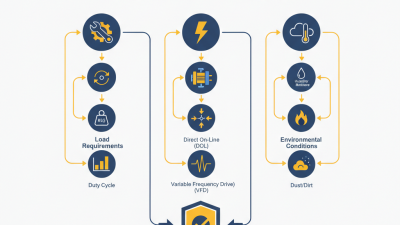
Choosing the right 3 phase motor starter can significantly impact the efficiency of industrial operations. Experts emphasize this crucial aspect. For instance, John Smith, a renowned electrical engineer, once said, "Selecting the right motor starter is as important as the motor itself." This highlights the foundational role of the starter in overall performance.
When considering a 3 phase motor starter, various factors come into play. Different types suit various applications. Understanding these distinctions is vital. A wrong choice can lead to inefficiency and increased costs. This exploration goes beyond mere selection; it reflects the operational integrity of entire systems. People often overlook the nuances involved in this decision-making process.
Venturing into this topic unveils complexities often underestimated. Each motor starter has unique specifications affecting performance. Taking the time to analyze these details is crucial. Reliability in industrial settings hinges on these decisions. A well-informed choice can lead to lasting benefits, ensuring optimal operation and safety. Exploring these aspects prepares you for better decisions in motor starter selection.
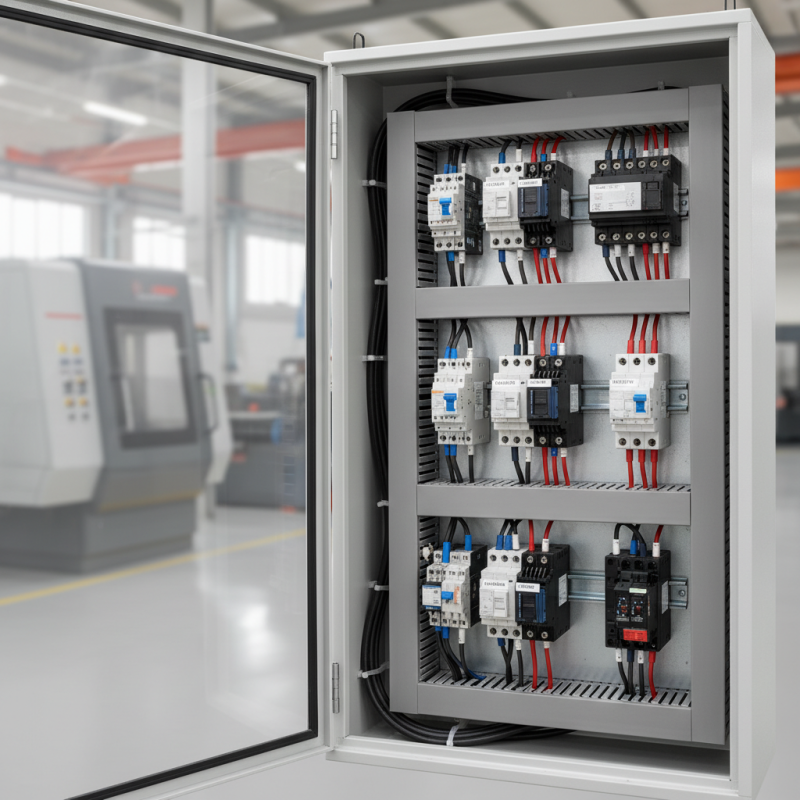
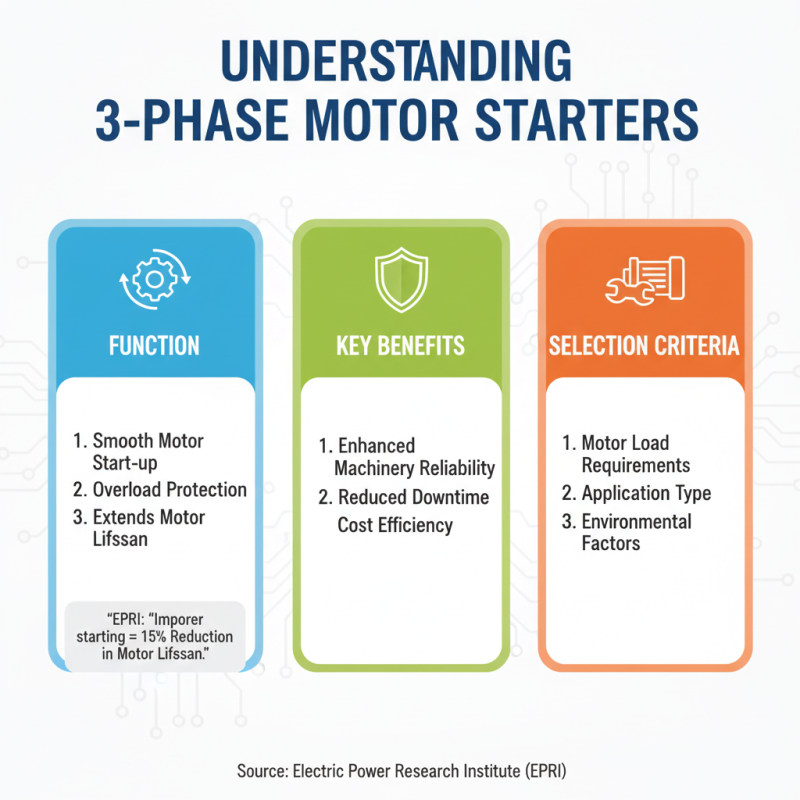
Understanding the operation of 3 phase motor starters is crucial for effective machinery management. These starters play a vital role in ensuring smooth motor operation, safeguarding against issues like overloads. A report from the Electric Power Research Institute (EPRI) states that improper motor starting can lead to a 15% reduction in motor lifespan. This emphasizes the importance of selecting the right starter based on load requirements and application specifics.
Different types of starters exist, including direct-on-line (DOL), star-delta, and soft starters. Each serves distinct purposes. For example, DOL starters are simple and cost-effective but can create high inrush currents. Star-delta starters reduce starting current, making them suitable for larger motors. The right choice impacts overall system efficiency, which can influence operational costs by up to 30%, as noted in a study by the International Electrotechnical Commission (IEC).
Choosing the incorrect starter can lead to performance issues. In some instances, users may overlook specific load conditions. This oversight can hinder efficiency and increase downtime. Regular assessments and consultations with experts can guide better decision-making. Understanding motor characteristics and application demands is essential. Knowledge in this field minimizes risks and enhances operational reliability, ultimately resulting in more sustainable practices.
When selecting a 3-phase motor starter, it’s essential to understand the different types available. Each type has specific applications and benefits. The most common are Direct-On-Line (DOL), Star-Delta, and Soft Starters. According to industry reports, DOL starters are often used for smaller motors, typically up to 10 HP. They provide a simple and cost-effective solution. However, they can cause high starting current, which may not be ideal for larger motors.
Star-Delta starters are suitable for larger motors, typically above 10 HP. They initially operate in a star configuration, reducing the starting current significantly. Once the motor reaches a specific speed, it switches to the delta configuration. This approach lowers mechanical stress and prolongs motor life. However, improper configuration can lead to inefficiencies that require careful evaluation.
Soft starters are a more sophisticated option, allowing for a gradual ramp-up of motor speed. This technology reduces starting torque and electrical stress. Despite their advantages, soft starters can be more complex and costly. In some cases, users report difficulties in programming and integration with existing systems. An understanding of the operational environment can guide the best choice among these options. Each starter type has distinct strengths and weaknesses, urging a thorough assessment of requirements.
| Type of Starter | Application | Advantages | Disadvantages |
|---|---|---|---|
| Direct-On-Line (DOL) | Small motors | Simple design, low cost | High starting current |
| Star-Delta Starter | Medium to large motors | Reduced starting current | More complex wiring |
| Soft Starter | Large motors | Smooth starting, adjustable parameters | Higher cost |
| Variable Frequency Drive (VFD) | Precision motor control | Energy savings, speed control | Complex setup, more maintenance |
Choosing the right 3 phase motor starter involves several critical factors. One of the most important considerations is the motor's full load amp rating. This rating determines the starter size you need. If you use an undersized starter, it may fail or not operate efficiently. It's crucial to consult the motor's specifications before making a selection.
Another key factor is the type of environment where the motor will operate. If the motor is in a damp or hazardous location, you'll need a starter with adequate protection against moisture and dust. Consider weather-resistant enclosures for outdoor usage. It's also essential to assess voltage ratings. An incorrect voltage can lead to malfunction or damage.
The control features of the starter matter too. Some starters offer advanced functions like overload protection and short circuit protection. However, not all applications require these features. Be mindful of your specific needs. Ultimately, understanding the unique requirements of your system will guide you in choosing the right 3 phase motor starter. This process may require adjustments and considerations based on the specific use case.
When choosing a three-phase motor starter, evaluating electrical specifications is crucial. Look for the voltage rating first. Ensure it matches your motor's requirements. An incorrect voltage can lead to motor failure or inefficiency. Amperage ratings are equally important. They determine how much current the starter can handle. A mismatch can cause overheating or damage.
Consider the starter type as well. Direct-on-line, star-delta, and soft starters each have their unique advantages. Direct-on-line starters are simple but can surge the motor at startup. Soft starters provide a gentle ramp-up but may not be suitable for all motor types. Think about how these features align with your specific application needs.
Don’t overlook protection features. Thermal overloads and short circuit protection are essential for longevity. They safeguard against common electrical issues. Reflect on the environment where the motor will operate too. Dust, moisture, and temperature can affect starter performance. Choosing the right specifications is not just technical; it’s also about understanding operational realities.
When installing a 3-phase motor starter, correct placement is essential. Ensure it is mounted on a stable surface, away from dust and moisture. Use a level to confirm it is straight. Improper installation can lead to operational issues.
Regular maintenance is critical for optimal performance. Check connections frequently to avoid power losses. Inspect wiring for signs of wear or damage. Clean the enclosure to prevent buildup of dirt. Neglecting these tasks may result in unexpected failures.
Tips: Always consult the manufacturer's guidelines for specific installation instructions. Opt for high-quality components to enhance durability. Monitor the environment where the starter is located. High temperatures can reduce efficiency. Addressing these details helps prolong the life of the motor starter.