Choosing industrial electric motors is not a catalog exercise. A motor that looks right on paper may struggle when a conveyor starts under load, a pump runs continuously, or dust collects around its cooling vents. The right choice depends on the machine, its operating conditions, and the cost of downtime.
Austin Hughes, author of Electric Motors and Drives, has written extensively about motor operation and selection. His engineering guidance can be paraphrased simply: “Match the motor to the load and operating conditions, not just its rated power.” That distinction matters. Rated power alone does not tell you whether a motor can handle frequent starts, variable speed, high ambient temperatures, or a demanding duty cycle. Check torque requirements, supply voltage, efficiency, enclosure, and compatibility with the control system. Small details count.
This guide presents ten practical checks for comparing industrial electric motors. It considers the driven equipment, installation environment, expected service life, and maintenance access—not just the purchase price. A motor’s nameplate is a useful starting point, but it cannot describe every real operating condition. Sometimes the load profile is uncertain. That deserves a closer look, not a confident guess. Where possible, confirm assumptions with measured data and a qualified motor or system specialist before specifying equipment.
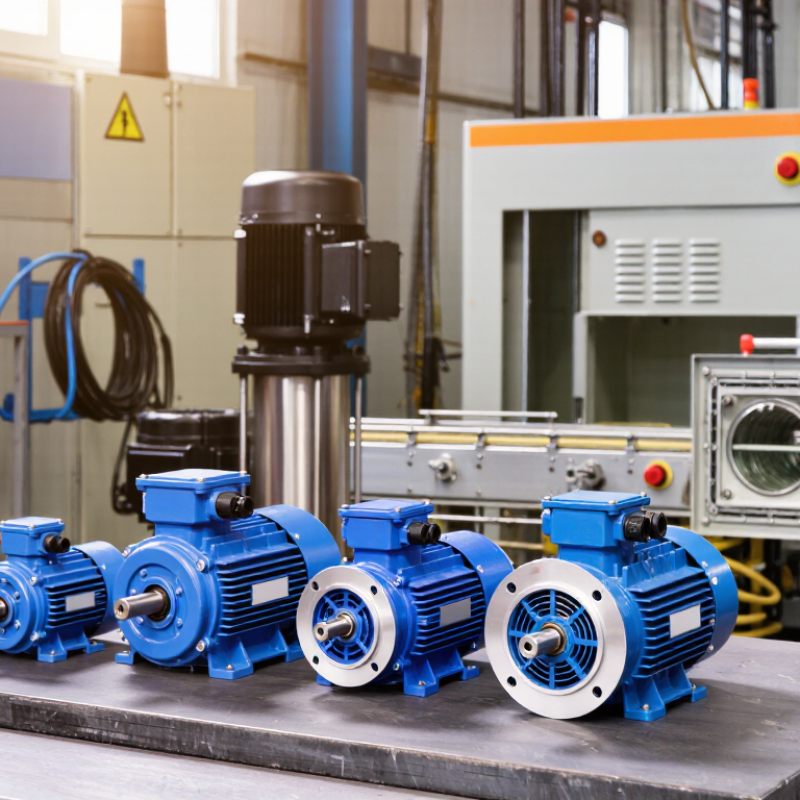
Before selecting an industrial motor, define the work it must do, not just the machine it will drive. Record the driven load, operating hours, start frequency, and expected duty cycle. An exhaust fan running steadily has different needs from a loaded conveyor that starts every few minutes. Be specific. Note whether the load starts empty or already carrying material; that detail can change starting torque requirements. Also document ambient temperature, dust, moisture, washdown exposure, and available supply voltage. A motor near a hot furnace may need different cooling and insulation from one in a clean, cool room.
Then describe the performance the application actually requires. Identify the load’s torque across its operating speed range, along with acceleration time and any short periods of heavy demand. Rated power alone can mislead. A motor may meet the nameplate figure yet struggle during repeated starts or sustained overload. If a variable-speed drive is planned, check that the motor can operate at the intended speeds and cooling conditions. Efficiency matters too, but compare it at the expected load, not only at full output. Leave room for realistic variation, without oversizing automatically; too much capacity can reduce efficiency and increase cost. Field measurements help, though they are sometimes incomplete. That uncertainty is worth revisiting before specifying the motor.
Choosing an industrial electric motor starts with the load, not just a catalog horsepower number. Identify what it drives: a fan, pump, conveyor, compressor, or machine tool. Each creates a different torque pattern. A centrifugal fan usually starts more gently than a conveyor carrying material. Small details matter. Record startup frequency, operating hours, ambient temperature, and the chance of jams or sudden load changes.
Match motor type and speed to the machine’s working range. A standard induction motor suits many fixed-speed applications, while variable-speed operation may call for a compatible motor and drive. Check the torque-speed curve, especially during startup and at low speed. A motor that reaches the required rated power may still struggle to start a heavily loaded belt. Consider gearbox ratios, too; they can reduce speed while increasing torque, but add losses and maintenance points.
Size power using the actual duty cycle, not an optimistic best-case estimate. Include acceleration, peak load, and any continuous operation that raises motor temperature. Oversizing can waste energy and may reduce performance under light loads; undersizing can cause overheating or nuisance trips. I would recheck assumptions before ordering—load estimates are often less precise than they look. Verify supply voltage, enclosure, and mounting details against the installation, then compare the selected motor’s rated speed with the equipment’s required speed.
Before selecting an industrial electric motor, compare its nameplate requirements with the supply measured at the installation point. Check voltage, phase, and frequency, not just the values printed on a panel schedule. A nominal 480-volt supply may dip during heavy starts or vary across phases. Small differences matter. Ask a qualified electrician to measure voltage under load and check for imbalance. Even modest imbalance can increase winding heat and shorten insulation life. Confirm that the starter, protection settings, and wiring suit the motor’s rated current and starting method.
Operating conditions deserve equal attention. Note the driven machine’s real load, including peak demand, starts per hour, and any periods of low-speed operation. A conveyor that starts fully loaded needs different starting torque from a fan that begins unloaded. Record ambient temperature, altitude, dust, moisture, and nearby heat sources. These details affect cooling and enclosure choice. A motor that seems adequately rated in a clean workshop may run hot beside a furnace or behind a clogged intake screen. I would not rely on a single “typical” operating estimate; production cycles often change, and early assumptions can be wrong. Leave room to revisit them with measured data.
Efficiency ratings matter, but compare motors at the load they will actually drive. A pump running near full capacity has different needs from a conveyor that starts and stops all day. Check rated efficiency, expected operating hours, and the cost of energy over the motor’s service life. Small differences add up. Yet a high rating alone does not guarantee lower costs if the motor is oversized or poorly matched.
Controls shape performance, too. If speed varies, confirm the motor can work with the planned variable-frequency drive. Check its insulation rating, cooling method, and low-speed torque requirements. A mismatch may cause excess heat or vibration. It happens. Protection features need the same practical review: thermal overload protection helps limit damage from excessive current, while the enclosure must suit dust, moisture, and washdown conditions. Read the enclosure rating against the actual installation, not a guess. There is no perfect scorecard; added protection can raise cost, and a rating that exceeds site conditions may bring little benefit. Record operating conditions before comparing options, and verify details with the motor documentation or a qualified electrical professional.
Compare the water-protection level defined by each IPX rating. The chart shows the rating code, not a measurement of protection intensity.
How to use this: Choose an enclosure rating that matches the motor’s exposure to water and the installation environment. IPX7 and IPX8 address immersion; they do not automatically indicate protection against water jets. Check the complete IP rating and the manufacturer’s specified test conditions before selecting a motor. IP ratings are defined by IEC 60529.
A motor’s purchase price is only one part of its cost. Check the installation conditions before comparing models: available space, shaft alignment, mounting position, cable access, and ventilation. Measure the surrounding temperature and note dust, moisture, or vibration near the machine. Small details matter. A poorly aligned coupling can increase bearing loads and waste energy. Confirm that the motor’s speed and starting characteristics suit the driven equipment, especially where loads change during a shift. Ask an experienced electrician or maintenance technician to review the site measurements; catalog ratings alone cannot show every installation constraint.
Plan maintenance around the actual operating environment. Record vibration, temperature, current, and bearing noise during normal operation, then investigate meaningful changes. Keep cooling passages clear and follow the manufacturer’s inspection intervals. A simple log can reveal patterns, though readings are not perfect and sensors may drift. Lifecycle estimates should include electricity use, planned service, spare parts, installation labor, and the cost of unplanned downtime. Compare motors using realistic operating hours and load levels, not optimistic assumptions. Even a small efficiency difference can matter in continuous service, but the payback may disappoint if the motor runs lightly or rarely. Revisit the estimate after a few months of operation. Actual use often exposes assumptions that looked reasonable on paper.
| No. | Selection Tip | What to Check | Installation, Maintenance, and Lifecycle Cost Considerations |
|---|---|---|---|
| 1 | Match the load and duty | Confirm required shaft power, speed, torque, starting demand, and operating duty. Account for the driven machine’s load profile rather than selecting from rated power alone. | Correct sizing helps avoid poor performance from an unsuitable motor. Check the load across normal operation and peak demand; oversizing can increase purchase and operating costs, while undersizing can cause overheating or inadequate output. |
| 2 | Verify supply compatibility | Match the motor’s rated voltage and frequency to the available electrical supply. Confirm phase, connection, full-load current, and permitted voltage or frequency variation against the motor documentation. | Electrical mismatches can require additional equipment or wiring changes and may lead to excessive current, heating, or reduced performance. Include supply and control-system modifications in the installed cost. |
| 3 | Compare efficiency at the actual load | Review the applicable efficiency classification and the manufacturer’s efficiency data at the expected operating load. Efficiency-class requirements vary by jurisdiction, motor type, and application. | Electricity use is often a major lifecycle cost for motors that run for many hours. Estimate annual energy cost using input power, annual operating hours, and the site electricity rate; compare options over the intended service period. |
| 4 | Check the starting method | Assess starting current, acceleration time, load inertia, and the capacity of the electrical supply. Determine whether direct-on-line starting, a soft starter, or a variable-frequency drive is suitable. | Starting equipment can add purchase, installation, and maintenance costs. A drive may support speed control, but its suitability depends on the application and may require attention to motor cooling, insulation, cable length, and bearing protection. |
| 5 | Confirm mounting and fit | Check frame dimensions, shaft diameter and extension, mounting arrangement, terminal-box position, coupling, and available clearance against the machine and site drawings. | A dimensional mismatch can mean adapter plates, coupling changes, alignment work, or rework during a shutdown. Verify the interface before ordering to reduce installation time and unplanned costs. |
| 6 | Select suitable environmental protection | Consider dust, moisture, washdown, corrosive substances, ambient temperature, altitude, and ventilation. Choose enclosure protection and any required environmental options for the actual installation conditions. | Inadequate protection can increase cleaning, repair, and replacement needs. More protective designs may raise initial cost, so match protection to the site rather than assuming the highest rating is always necessary. |
| 7 | Review thermal and service conditions | Check the motor’s duty rating, cooling method, insulation system, temperature rise, and suitability for starts per hour or frequent speed changes. Confirm any derating needed for unusual site conditions. | Operating outside the specified thermal limits can shorten insulation and bearing life. Include cooling access, ventilation, and the expected operating pattern in the installation and maintenance plan. |
| 8 | Plan maintenance and spare parts | Review bearing type, lubrication requirements, inspection access, available service documentation, and the site’s ability to monitor vibration, temperature, or electrical condition. | Maintenance intervals should follow the motor documentation, operating environment, and site condition-monitoring results. Budget for labor, lubricants where applicable, planned inspections, and critical spare parts. |
| 9 | Include installation and commissioning | Allow for lifting and access, foundation condition, alignment, coupling, grounding, cable termination, protective devices, and checks before the first run. | The purchase price does not represent the complete installed cost. Account for labor, electrical work, rigging, alignment, commissioning, and any production downtime needed for the changeover. |
| 10 | Compare lifecycle cost, not price alone | Evaluate purchase, installation, energy, maintenance, downtime, and expected replacement costs over a consistent analysis period. Use site-specific operating hours, load, electricity prices, and service assumptions. | A useful comparison is total cost of ownership: acquisition and installation costs plus expected operating and maintenance costs over the chosen period. State assumptions clearly; results can change substantially with operating hours and load. |
| Practical note: Confirm final selection, protection, electrical settings, installation practices, and maintenance requirements against the motor documentation, driven-equipment requirements, and applicable local codes. | |||