What Are the Top Electrical Switch Types in 2026?
Choosing the right electrical switch in 2026 means looking beyond appearance. A switch controls current, but its design also affects safety, comfort, maintenance, and energy use. Homes may favor slim rocker switches and smart touch controls. Industrial panels still depend on rotary selectors, push buttons, limit switches, and heavy-duty disconnects. Each type answers a different practical need.
Electrical engineer John M. McDonald, PE, author of Electric Power Substations Engineering, offers a useful principle: “The best electrical design balances safety, reliability, and operational needs.” That balance matters when comparing modern switch technologies. A smart switch may support remote control, scheduling, and energy monitoring. Yet it can also depend on wireless networks, software updates, and compatible devices. Simple switches remain valuable. Sometimes, less is safer.
This guide examines the top electrical switch types expected to shape 2026 installations. It considers contact design, rated voltage, load capacity, ingress protection, installation method, and user experience. Real settings matter. A damp garage needs different protection than a dry bedroom. A factory emergency stop demands faster, clearer action than a decorative wall control. Some product claims also deserve closer review. “Smart” does not always mean better. The strongest choice is the one that matches the circuit, environment, and person using it. Industry standards and manufacturer instructions should guide final selection, because small mistakes can create heat, nuisance trips, or premature failure.
Electrical Switches: Definition, Purpose, and Basic Operating Principles
Electrical Switches: Definition, Purpose, and Basic Operating Principles
Electrical switches are control devices that open or close an electrical circuit. Their purpose is simple: they manage current safely and conveniently. When the switch is on, internal contacts connect and allow electricity to flow. When it is off, the contacts separate and interrupt the path.
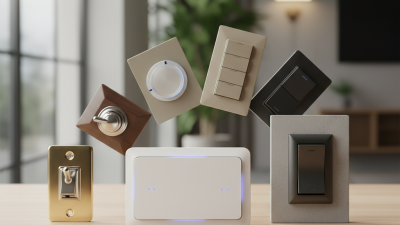
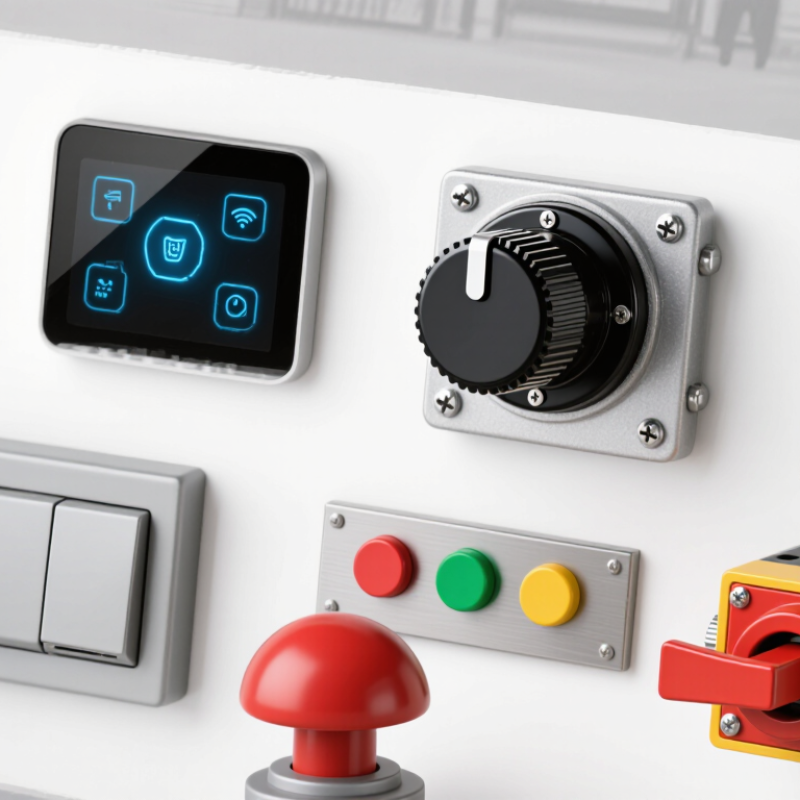
That small movement controls lights, motors, heating equipment, and electronic systems. Toggle and rocker switches remain common because they provide clear physical feedback. Push-button switches suit panels and appliances requiring momentary control. Rotary switches select different circuits or settings. Dimmers adjust light output by controlling electrical energy, while smart switches use electronic controls and network communication. Their operating principles differ, but every type depends on correctly rated contacts and insulation.
In 2026, low-profile electronic and smart switches are gaining attention, yet basic mechanical designs remain dependable.
An experienced installer checks voltage, current, load type, enclosure protection, and terminal condition before installation. A switch rated for lamps may not safely control a motor. That assumption can fail.
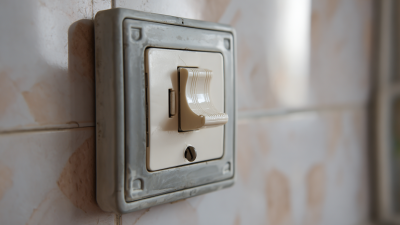
Installation quality matters as much as switch selection. Loose terminals can create heat, noise, or intermittent operation. Moisture also changes the safety requirements, especially in kitchens, workshops, and outdoor areas.
A practical inspection should follow applicable electrical codes and manufacturer instructions. It should also confirm that the circuit is isolated before work begins. Small details matter.
Main Electrical Switch Types Used in 2026
Main Electrical Switch Types Used in 2026
In 2026, toggle and rocker switches still dominate ordinary lighting circuits. Their simple mechanisms are easy to inspect, replace, and label. Toggle switches suit workshops and utility rooms, while rocker designs offer broad, comfortable contact surfaces. Push-button switches work well for momentary control, such as doorbells, machine panels, and timed lighting. Small details matter. A wet room needs suitable ingress protection, not merely a modern appearance.
Rotary and selector switches remain important where users choose operating modes. Dimmers provide adjustable lighting, but compatibility with LED loads must be checked carefully. For protection and isolation, miniature circuit breakers, residual-current devices, and transfer switches serve different functions. They should not be treated as interchangeable. IEC 60898-1 covers many low-voltage circuit breakers, while IEC 60947-6-1 addresses transfer switching equipment. The International Energy Agency’s Electricity 2024 report forecasts average global electricity-demand growth of about 4% through 2026, increasing pressure on reliable distribution equipment.
Smart switches are expanding in homes and commercial buildings. They can support scheduling, occupancy control, and remote monitoring. However, wireless control can introduce setup, cybersecurity, and neutral-wire problems. Smart is not automatically better. The IEA’s Renewables 2024 report expects global renewable capacity to grow by about 5,500 gigawatts between 2024 and 2030. That growth will increase demand for dependable isolation and transfer systems. In practice, the best choice depends on load type, enclosure conditions, switching frequency, and compliance with IEC 60669-1. A rushed retrofit may look neat while creating hidden heat or nuisance tripping.
Smart, Connected, and Automated Switch Technologies
What Are the Top Electrical Switch Types in 2026?
Smart, Connected, and Automated Switch Technologies
In 2026, electrical switches are becoming control points, not simple wall devices. Smart switches can schedule lights, measure energy, and respond to motion or daylight. Connected models communicate through home networks, while automated systems coordinate lighting, ventilation, and safety routines. That sounds effortless. Yet installation details still decide performance.
During a retrofit, an installer may find a narrow wall box, an absent neutral wire, or mixed circuit loads. These small obstacles can cause flicker, heat buildup, or unreliable remote commands. Load ratings matter. A switch designed for lighting may not safely control a motor, heater, or inductive appliance. Qualified electricians should verify voltage, current, grounding, enclosure space, and local code requirements before energizing the circuit. Manual override is essential when the network fails.
More advanced systems add occupancy sensors, voice-free automation, and dashboards that reveal which rooms waste electricity. Edge processing can reduce cloud dependence and improve response time. Encryption, strong passwords, software updates, and separated guest networks also protect connected controls. However, automation is not always intelligent. A sensor may turn lights off while someone reads quietly at a desk. Testing real routines for several days exposes these gaps. I would leave a physical control nearby, even in a highly automated room.
Safety Standards, Installation Factors, and Future Developments
In 2026, electrical switch selection depends on safety, load requirements, and installation conditions. Common types include rocker, push-button, dimmer, selector, and smart switches. Each design serves a different purpose. A dimmer needs compatible lighting equipment and accurate load calculations. A smart switch may require a neutral wire, stable network access, and stronger cybersecurity controls.
Safety standards remain central to reliable installation. Look for recognized certification marks and verify local electrical codes before purchase. Ratings should match voltage, current, enclosure location, and expected switching frequency. Bathrooms, kitchens, and outdoor areas need additional protection against moisture and electric shock. A qualified electrician should test grounding, terminal tightness, and circuit isolation. Small mistakes can create heat behind the wall.
Installation conditions often decide performance. Older buildings may contain narrow boxes, crowded conductors, or aging insulation. These details can prevent a modern switch from fitting safely. I have seen attractive upgrades fail because installers measured the faceplate but ignored box depth. That lesson is easy to overlook. Future switches will likely combine occupancy sensing, energy monitoring, and adaptive control. Wireless operation may reduce rewiring, but it also introduces software updates and privacy concerns. Some systems still feel unnecessarily complicated. Better designs should remain usable during network outages and provide a clear manual override.