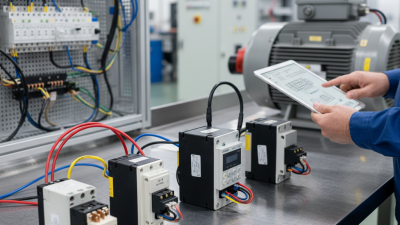
Choosing the right manual motor starter is a practical decision, not a catalogue exercise. Global buyers compare overload protection, phase compatibility, enclosure quality, switching capacity, and service access. A dusty workshop, a humid pump room, or a crowded control panel can expose weak specifications quickly.
Industry data shows why this category deserves closer attention. Grand View Research’s Industrial Controls Market report identifies rising factory automation and equipment modernization as major demand drivers. MarketsandMarkets’ Motor Control Centers Market analysis also links motor protection with safer, more reliable industrial power systems. These reports address broader control equipment, not manual starters alone. That distinction matters, because market figures are often presented too broadly.
Stephen L. Herman, author of Industrial Motor Control, states, “A motor starter is used to start and stop a motor safely.” That simple principle remains useful when evaluating every manual motor starter. The best models should offer dependable thermal overload protection, clear adjustment ranges, robust terminals, and straightforward reset operation. Buyers should also verify IEC 60947-4-1 alignment, regional certification, motor voltage, and available spare parts.
Real experience complicates the ranking. A compact starter may fit a small compressor perfectly, yet fail commercially when replacement parts are unavailable. A premium brand may provide stronger documentation, but exceed a modest plant’s budget. This guide compares ten leading options for different operating conditions and purchasing priorities. No single model wins everywhere. That is the point worth remembering.
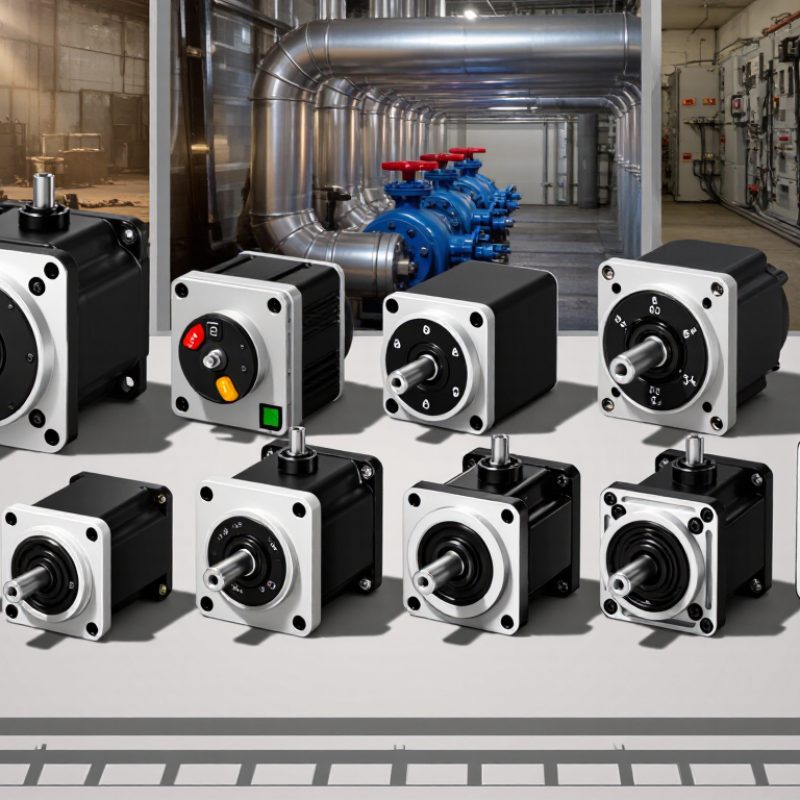
A manual motor starter is a compact protective switch for small and medium electric motors. It combines switching, overload protection, and short-circuit coordination in one enclosure. Unlike an automatic controller, it usually requires a person to start or stop the motor. That direct action suits pumps, fans, conveyors, and workshop machinery. The device normally includes adjustable thermal overload elements and a magnetic trip mechanism. Ratings must match the motor’s voltage, current, duty, and starting conditions.
When the operator presses the start button, internal contacts close and send power to the motor. Current flows through the overload sensing parts as the motor accelerates. If current stays above the selected setting, heat bends a bimetal strip and trips the mechanism. A severe fault can trigger the magnetic release almost instantly. The motor then loses power, reducing the chance of winding damage. After cooling, many starters can be reset manually, though repeated trips need investigation.
In practical installation, I check conductor size, terminal torque, enclosure protection, and the motor nameplate before energizing equipment. I also test the stop function and verify that the overload setting follows measured operating current, not guesswork. A starter is not a substitute for every safety function; emergency isolation may require separate equipment. One detail is easy to overlook: frequent starts can create heat even when average current seems normal. Manual starters are simple, but simplicity can invite careless selection. Field conditions vary, and a neat catalogue match may still perform poorly on a dusty, hot machine.
10 Best Manual Motor Starters for Global Buyers
Key Criteria for Comparing Manual Motor Starters Worldwide
Choosing among the ten best manual motor starters requires more than comparing prices. Check rated voltage, motor current, pole arrangement, and adjustment range. These values must match the motor’s nameplate, not a rough estimate. A starter with a wider adjustment range may support several motor sizes, but poor calibration can reduce protection.
Global buyers should verify compliance with the standards accepted in the installation market. Review overload response, short-circuit coordination, phase-loss behavior, and reset options. Enclosure protection also matters in dusty workshops or damp plant rooms. IP or NEMA ratings provide useful guidance, yet actual mounting conditions can still expose weaknesses. Confirm terminal spacing, ambient-temperature limits, and available auxiliary contacts before ordering.
Tips: Request technical drawings, test reports, and clear installation instructions. Compare lifecycle ratings, spare-part access, and delivery stability. A low purchase price may hide costly replacements. Manual starters are simple, but “simple” does not mean risk-free. I would also question vague claims about universal compatibility. Regional voltage systems, wiring practices, and certification expectations vary. That detail is easy to overlook.
This chart presents a practical 100-point evaluation framework for comparing manual motor starters worldwide. The criteria reflect common requirements from IEC 60947-4-1, IEC 60529, and international motor-protection purchasing practices. The percentages are buyer-oriented weighting factors rather than manufacturer or brand ratings.
Ten Leading Manual Motor Starters for Global Buyers
Choosing among ten leading manual motor starters requires more than comparing prices. Buyers should examine rated current, motor voltage, short-circuit protection, enclosure strength, and reset performance. A starter must match the motor’s full-load current, not simply its nameplate power. Small errors can cause nuisance trips or overheating.
In practical installations, reliable starters offer clear adjustment scales and firm rotary controls. They should operate smoothly with gloved hands and remain readable inside dusty control panels. Thermal protection helps manage overloads, while magnetic protection responds quickly to severe faults. Check terminal space carefully. Crowded wiring wastes installation time. I have found that compact designs are not always easier to maintain. This is where specifications can mislead. Certification details, test conditions, and ambient temperature ratings also deserve careful review. Regional voltage standards may differ, so local technical verification remains essential.
Tips: Compare the starter’s current range with the motor’s measured operating current. Leave reasonable capacity for starting conditions, but avoid excessive oversizing. Confirm auxiliary contact options before ordering. Review the installation manual and tightening requirements. Keep spare units in dry storage. Ask for test reports when reliability is critical. A useful inspection includes terminal security, enclosure seals, switching action, and reset behavior. Field conditions often reveal weaknesses that product tables miss.
For global buyers, the best manual motor starters should be compared by performance, protection, and application fit. The International Energy Agency estimates that electric motor-driven systems consume 43–46% of global electricity. Small protection failures can therefore create expensive downtime. A practical shortlist should examine current range, trip accuracy, switching durability, and reset behavior.
Performance depends on load type. A starter for a conveyor needs stable thermal protection during repeated starts. A pump application may need better resistance to moisture and frequent cycling. Most manual starters provide overload protection and short-circuit coordination, but they do not replace every upstream protective device. IEC 60947-4-1 remains a key reference for low-voltage motor starters and contactor coordination. Field experience also shows a weakness: published trip curves can be difficult to compare across suppliers. Buyers should request test conditions, not only headline ratings.
Tips: Match the starter’s adjustable current range to the motor nameplate current. Leave enough margin for normal inrush, but avoid excessive adjustment. Check ambient temperature, enclosure rating, phase arrangement, and available fault current. For dusty workshops, sealed enclosures matter. For export projects, verify IEC or equivalent certification and local installation rules. A low-cost starter may look efficient, yet a poor reset design can delay maintenance and confuse operators. Review the actual failure scenario, not just the catalog table.
| No. | Manual Starter Type | Adjustable Motor Current | Typical Motor Rating at 400 V AC | Rated Operational Voltage | Poles | Overload Trip Class | Protection Functions | Typical Short-Circuit Coordination | Applicable Standards | Recommended Applications | Global Buyer Considerations |
|---|---|---|---|---|---|---|---|---|---|---|---|
| 1 | Ultra-Low-Current Compact Starter | 0.10–0.16 A | 0.04–0.06 kW | Up to 690 V AC | 3 | 10 or 10A | Adjustable thermal overload; magnetic short-circuit release; phase-loss sensitivity | Requires a coordinated upstream fuse or circuit breaker; rating depends on the tested combination | IEC 60947-4-1; IEC 60947-2 | Small fans, laboratory equipment, dosing pumps, and compact machinery | Verify minimum-load accuracy and terminal suitability for fine-gauge conductors |
| 2 | Low-Current General-Purpose Starter | 0.63–1.0 A | 0.25–0.37 kW | Up to 690 V AC | 3 | 10 or 10A | Thermal overload, magnetic instantaneous protection, manual ON/OFF isolation | Typically paired with a fuse or breaker selected according to the coordination tables | IEC 60947-4-1; IEC 60947-2 | Small conveyors, ventilation units, machine tools, and control panels | Suitable for DIN-rail or screw mounting; check local enclosure and touch-protection requirements |
| 3 | Mid-Range Machine Starter | 2.5–4.0 A | 1.1–1.5 kW | Up to 690 V AC | 3 | 10 or 10A | Thermal overload adjustment, magnetic fault protection, phase-failure response | Use only with a listed or documented fuse/breaker combination for the required fault level | IEC 60947-4-1; IEC 60947-2 | General industrial motors, small compressors, pumps, and material-handling systems | Check motor full-load current at the actual supply frequency and ambient temperature |
| 4 | Standard 6–10 A Starter | 6.3–10 A | 3–4 kW | Up to 690 V AC | 3 | 10 or 10A | Adjustable overload, short-circuit release, manual motor isolation, reset selector | Coordination must be selected for the prospective short-circuit current at the installation | IEC 60947-4-1; IEC 60947-2 | Machine builders, workshop equipment, pumps, fans, and small HVAC systems | A common range for stock management; confirm auxiliary-contact and enclosure accessories |
| 5 | High-Load 13–18 A Starter | 13–18 A | 5.5–7.5 kW | Up to 690 V AC | 3 | 10 or 10A | Thermal-magnetic protection, overload reset, manual switching, phase-loss sensitivity | Select a tested Type 1 or Type 2 coordination arrangement where required | IEC 60947-4-1; IEC 60947-2 | Compressors, pumps, conveyors, woodworking machinery, and production equipment | Consider heat dissipation, cable cross-section, and enclosure spacing at continuous full load |
| 6 | 20–25 A Heavy-Duty Starter | 20–25 A | 9–11 kW | Up to 690 V AC | 3 | 10 or 10A | Adjustable overload and instantaneous short-circuit protection with visible trip indication | Use the manufacturer’s tested upstream protection and let-through-energy limits | IEC 60947-4-1; IEC 60947-2 | Industrial pumps, compressors, fans, mixers, and moderately loaded conveyors | For frequent starts, verify the permissible operating frequency and thermal reset behavior |
| 7 | 30–40 A Industrial Starter | 30–40 A | 15–18.5 kW | Up to 690 V AC | 3 | 10 or 10A | Thermal-magnetic overload protection, isolation, trip reset, and lockable operating handle | High-fault installations require a specifically tested fuse or breaker combination | IEC 60947-4-1; IEC 60947-2 | Large fans, industrial pumps, crushers, conveyors, and process machinery | Check terminal torque, conductor capacity, enclosure temperature rise, and mounting strength |
| 8 | North American Manual Motor Controller | 1–16 A | 0.75–7.5 kW at 460 V | Up to 600 V AC | 3 | Typically Class 10 | Manual motor control, adjustable overload, magnetic fault protection, visible handle position | SCCR is installation- and combination-specific; verify the marked value for the assembly | UL 60947-4-1A; CSA C22.2 No. 60947-4-1 | Export machinery, packaged equipment, commercial HVAC, and industrial control panels | Confirm horsepower ratings, SCCR marking, wire ranges, and certification acceptance in the target country |
| 9 | Enclosed Outdoor Motor Starter | 1.6–10 A | 0.75–4 kW | Up to 690 V AC | 3 | 10 or 10A | Thermal-magnetic overload protection, enclosed disconnect handle, reset mechanism | Coordination depends on the internal protective device and upstream circuit protection | IEC 60529 enclosure rating; IEC 60947-4-1; IEC 60947-2 | Outdoor pumps, agricultural ventilation, water-treatment equipment, and dusty workshops | Specify enclosure rating separately; IP55 or higher is commonly selected for exposed locations |
| 10 | Pump and Compressor Protection Starter | 9–14 A | 4–5.5 kW | Up to 690 V AC | 3 | 10 or 10A | Adjustable overload, magnetic short-circuit release, phase-loss sensitivity, manual reset | Select tested Type 1 or Type 2 coordination according to the motor circuit design | IEC 60947-4-1; IEC 60947-2 | Centrifugal pumps, pressure systems, refrigeration compressors, and water circulation units | Match the current dial to the motor nameplate current and consider locked-rotor starting conditions |
Note: Motor power values are typical three-phase estimates at 400 V AC and may vary with motor efficiency, power factor, duty cycle, ambient temperature, and local electrical codes. Always verify the exact product data sheet, short-circuit coordination, enclosure rating, and certification requirements before installation.
Choosing among the 10 best manual motor starters requires more than comparing current ranges. IEC 60947-4-1 defines requirements for low-voltage motor starters, while IEC 60204-1 addresses machinery wiring and protection. North American projects may require UL 60947-4-1 compliance and a documented short-circuit current rating. Standards are not interchangeable. Verify the destination market before ordering.
Sizing begins with the motor nameplate. Match rated voltage, full-load current, frequency, and overload adjustment range. Check the starting method, too. A pump in a hot, dusty enclosure may need a higher ingress-protection rating and thermal derating. Small details matter. I have seen installations fail because the enclosure temperature was ignored. The International Energy Agency reports that electric motor systems consume roughly half of global electricity, making reliable protection important for both uptime and energy management.
Purchasers should request test certificates, wiring diagrams, terminal sizes, trip-class information, and replacement availability. Compare Icu and Ics values where IEC circuit-breaker coordination applies. In North America, confirm SCCR and local installation requirements. The U.S. Department of Energy’s Motor Systems Market Assessment found that motor-driven equipment used about 68% of industrial electricity in the United States. That figure is older, but still useful for judging operational risk. One weakness remains: catalogue data rarely reflects every installation condition. Ask for field support. Recheck the assumptions.