10 Best Variable Frequency Drives for Industrial Motors
Industrial motors rarely operate at one steady load. A pump may throttle against a half-closed valve, while a ventilation fan runs at full speed during a quiet shift. In these situations, a variable frequency drive can adjust motor speed to match process demand, rather than wasting energy through mechanical throttling.
The International Energy Agency’s 2011 report, Energy-Efficiency Policy Opportunities for Electric Motor-Driven Systems, estimates that motor-driven systems use about 45% of global electricity. The figure is a reminder of the stakes, not a guarantee that every drive installation will deliver large savings. Results depend on the load profile, system design, and commissioning.
IEA Executive Director Fatih Birol has said, “Energy efficiency is the first fuel.” That principle helps frame this guide, even though a drive alone cannot fix an inefficient process. Our 10 Best Variable Frequency Drives for Industrial Motors compares options by application fit, control features, protection, integration, and support. A compact drive may suit a small conveyor; a high-power pump installation calls for different checks, including overload capacity and cooling. The details matter.
There is no universal winner. Buyers should verify ratings against the motor nameplate, operating environment, and control requirements. Product specifications also deserve a careful read; they can look similar while hiding meaningful differences. This guide is a starting point, not a substitute for engineering review.
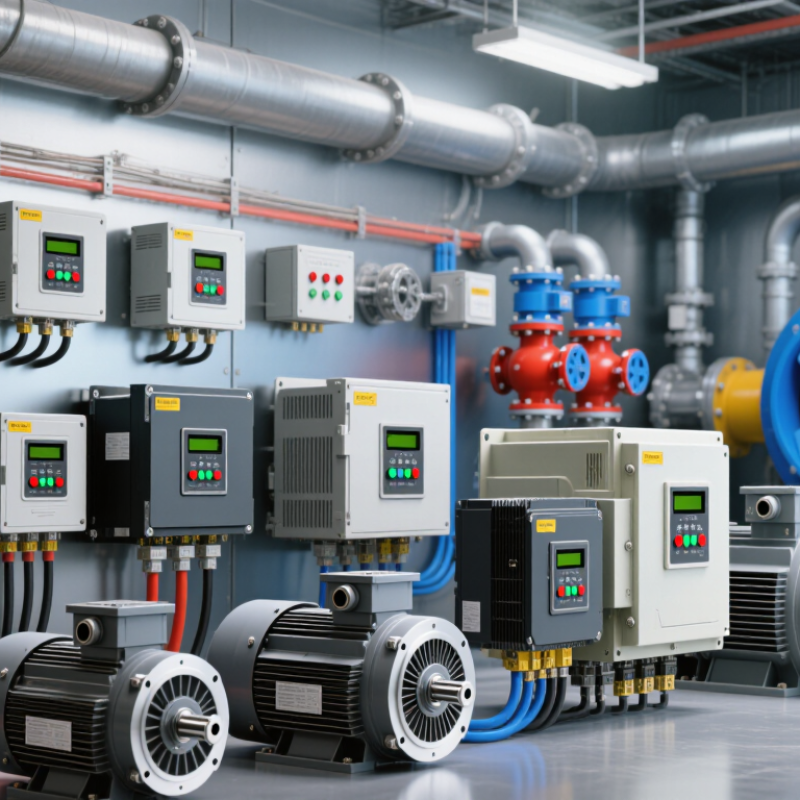
How Variable Frequency Drives Control Industrial Motors
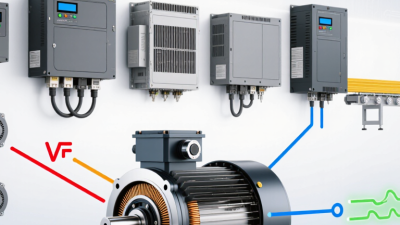
A variable frequency drive (VFD) controls an AC motor by adjusting the frequency and voltage of its electrical supply. It first converts incoming AC power into DC, then uses electronic switches to create output AC at a chosen frequency. Lower frequency generally means lower motor speed; the drive also adjusts voltage to help maintain suitable magnetic flux and torque.
A VFD can ramp a motor up gradually, reducing starting current and mechanical shock on belts, pumps, and fans. During operation, it may use programmed settings or feedback from sensors to respond to changing loads. For example, a pressure sensor can signal a pump to slow down when demand falls. Results depend on motor type, load, and setup. The first tuning pass is rarely perfect, and poor settings can cause overheating, vibration, or nuisance trips.
Tips: Check the motor nameplate before entering voltage, current, and frequency limits. Set acceleration and deceleration times to suit the machine, not just the schedule. Keep drive ventilation clear, and inspect wiring and fault logs during maintenance. A VFD is not an automatic efficiency fix; measure energy use under real operating conditions.
Key Factors for Evaluating Industrial VFDs
A suitable variable frequency drive should match the motor and the work it performs, not just its nameplate power. Check rated voltage, current, and required speed range against the motor’s data. Then consider the load: a fan usually behaves differently from a conveyor that starts with a heavy product load. The drive’s overload rating and acceleration settings matter during those demanding starts. In a pump room, for example, slow ramping can reduce pressure surges. A neat specification sheet still cannot predict every site condition.
Next, assess the installation environment and control requirements. Dust, heat, vibration, and limited cabinet space can affect reliability, so check the drive’s enclosure rating and cooling needs. Confirm that its input supply and control signals match the existing system. Consider motor cable length, braking requirements, and whether operators need local controls or remote monitoring. These details are easy to overlook. They are also costly to retrofit.
Tips: Record the motor’s actual operating current during normal production, not only its rated value. Ask a qualified technician to verify sizing and parameter settings before commissioning. Leave room for airflow around the drive, and document any changes. Perfect predictions are rare; review performance after startup and adjust carefully.
VFD Output Frequency and Synchronous Motor Speed
For a four-pole motor, synchronous speed is calculated as 120 × frequency ÷ pole count. Actual shaft speed under load is lower because of motor slip. Check the motor and VFD specifications before selecting an operating range.
Ten Leading Variable Frequency Drives for Industrial Motors
The ten leading variable frequency drives are best compared by motor duty, not catalog rank.
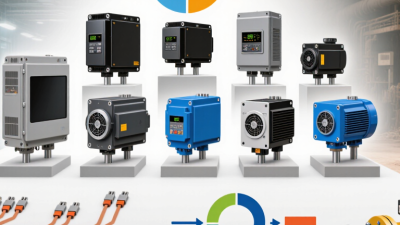
A general-purpose drive suits steady conveyor work and basic speed control. Pump- and fan-focused units can reduce energy use when flow demand changes. Sensorless vector drives provide stronger low-speed torque without an encoder. Closed-loop vector models use feedback for tighter speed control on lifting or winding equipment. Compact drives fit crowded control panels. Modular designs make replacement and expansion easier.
Small details matter.
Other useful choices include regenerative drives, which return braking energy to a supply system, and low-harmonic models that help limit electrical distortion. Safety-integrated drives can support controlled stopping functions, while rugged-enclosure versions better tolerate dust or moisture. Match the drive’s voltage, current, overload rating, and control inputs to the motor nameplate and actual load. Check the panel temperature, cable length, and cooling needs, too. A drive rated for the motor may still struggle in a hot cabinet. I would not treat a feature list as proof of suitability; commissioning measurements often reveal what a specification sheet misses.
Comparing Drive Features and Industrial Applications
A variable frequency drive should be judged by its load, not its feature count. The IEA’s 2011 report, Energy-Efficiency Policy Opportunities for Electric Motor-Driven Systems, estimates these systems use about 46% of global electricity. That scale makes careful matching worthwhile. For pumps and fans, a standard V/Hz drive often handles steady, variable-torque loads well. Sensorless vector control can offer firmer low-speed torque for conveyors and mixers. It costs more, and that extra control may be unnecessary on a simple exhaust fan.
Compare overload capacity, enclosure rating, braking, and communication options against the actual duty cycle. A dusty mill room needs better protection than a clean control cabinet. A compressor may need rapid acceleration and close pressure control; a cooling-tower fan may mainly need smooth speed adjustment. The U.S. Department of Energy’s 2014 sourcebook, Improving Motor and Drive System Performance, reports that motor systems account for roughly 70% of U.S. industrial electricity use. That figure describes the broader system, not guaranteed drive savings. Important distinction.
A drive cannot correct an oversized pump or poor piping. Check motor insulation, cable length, cooling at low speed, and harmonic effects before installation. These details are easy to overlook. I would also compare commissioning support and fault diagnostics, not just efficiency claims. A readable local display can save time when an operator is troubleshooting beside a hot motor at 2 a.m. Some specifications still look impressive on paper, but fit poorly on the plant floor.
How to Select a VFD for a Specific Motor System
Selecting a variable frequency drive begins with the motor’s nameplate, not the machine’s peak output. Record voltage, full-load current, power, frequency, and insulation details. Then check the load: a centrifugal pump behaves differently from a conveyor that starts under load. The U.S. Department of Energy’s 2014 sourcebook, Improving Motor and Drive System Performance, reports that motor-driven systems use about 68% of U.S. manufacturing electricity. That scale makes accurate matching worthwhile.
Check the drive’s continuous current rating against the motor’s full-load current, with allowance for ambient heat, enclosure, and altitude. Confirm the required speed range and starting torque; a drive sized only by horsepower can struggle during a loaded start. For pumps and fans, variable speed may cut energy use, but savings depend on the operating profile. The DOE sourcebook describes potential savings of 20–50% in suitable fan and pump applications, not a guarantee for every system. Measure flow or pressure before estimating.
Small details matter. Long motor cables, frequent low-speed operation, and poor cooling can change the thermal picture. I would also verify harmonic and compatibility requirements rather than assume the existing panel will handle them. A spreadsheet can miss a sticky valve or an oversized pump. A short operating log often reveals more than a perfect-looking nameplate calculation.